🔥 Limited Time Online Only Special — 3 Rooms + Hallway $119 | Book This Week → Claim Offer


5-Star Rated · IICRC Certified · 23+ Years
Castle Rock Hardwood Floor Cleaning — Low-Moisture, pH-Neutral Protocol for Douglas County Homes.
Castle Rock's climate is the most demanding hardwood environment of all our Tier 1 service cities. Seven months of forced-air heating — October through April — creates the most sustained low-humidity indoor conditions in our service area. Solid hardwood contracts during this window, opening micro-gaps between boards that create moisture entry points during cleaning. Castle Rock hard water deposits calcium and magnesium mineral film on polyurethane finishes. Red clay grit tracks in on footwear and scratches finish surfaces under foot traffic. Steam mops — the most common Castle Rock hardwood cleaning mistake — introduce the heat and moisture combination that causes grain raising, finish lifting, and board warping in Colorado's already moisture-stressed hardwood.
Colorado Choice Carpet Cleaning provides professional hardwood floor cleaning in Castle Rock using low-moisture, pH-neutral protocol matched to finish type — identified before any chemistry is applied — and calibrated to Castle Rock's seasonal hardwood stress cycle.
Fully certified for carpet, tile & upholstery

Trusted, vetted, and held to the highest standards.

Complete satisfaction or we come back free

5-Star Rated on Google

Business Rate Award Winner 2026
Approved By 300+ Of Castle Rock Customers ✅

Why Hardwood Floor Cleaning Is More Demanding in Castle Rock — Climate, Water, and Soil
Castle Rock Heating Season — The Seasonal Contraction and Moisture Entry Cycle
Solid hardwood is hygroscopic — it absorbs and releases moisture continuously in response to indoor relative humidity. Castle Rock's seven-month forced-air heating season produces sustained low indoor humidity that causes solid hardwood to release moisture and contract from October through April. Board edges pull slightly away from adjacent boards as they shrink — opening micro-gaps at board seams that did not exist in summer.
These micro-gaps are the most important Castle Rock-specific hardwood cleaning consideration. Any moisture introduced during the contraction window — from wet mopping, steam cleaning, or over-application of cleaning solution — enters the board seams and reaches the wood substrate directly. Moisture absorbed into contracted wood during cleaning causes differential expansion — the wood swells as it absorbs cleaning moisture while the ambient humidity remains low. The result is cupping — board edges rising above the center — that may or may not reverse when the board fully dries.
Professional hardwood floor cleaning in Castle Rock during the October–April heating season requires the most conservative moisture application of any cleaning context we work in. Low-moisture extraction protocol and microfiber application at near-dry moisture levels are non-negotiable during the contraction window. Spring cleaning — April or May — is the optimal timing for Castle Rock hardwood cleaning. Heating season has ended, boards have stabilized and closed their contraction gaps, and summer humidity has not yet caused expansion-related stress.
Castle Rock Hard Water Mineral Film on Hardwood Finish
Castle Rock hard water deposits calcium and magnesium mineral film on polyurethane-finished hardwood with every mop pass — the same mechanism affecting Castle Rock LVT and tile grout. On hardwood, mineral film accumulates on the polyurethane finish surface as a subtle white haze or cloudiness that dulls the finish sheen. Unlike LVT where pH-neutral mineral-targeting chemistry dissolves the deposit directly, hardwood finish requires even more controlled chemistry application — pH-neutral mineral-targeting solution applied at minimal moisture volume and extracted immediately rather than air-dried.
Castle Rock's 6,224-foot elevation accelerates evaporation — mineral deposits from mop water form faster on Castle Rock hardwood finish than at lower-elevation soft-water locations. Routine mopping with Castle Rock tap water contributes mineral accumulation to hardwood finish in every cleaning cycle.

Red Clay Grit — Finish Scratch Risk in Castle Rock
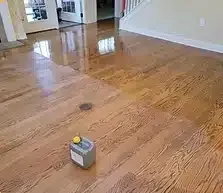
Douglas County red clay soil tracked into Castle Rock homes on footwear carries abrasive iron oxide particles that scratch polyurethane finish under foot traffic compression. Entry and hallway hardwood in Castle Rock homes accumulates red clay grit that — if dragged across the finish during wet cleaning without pre-vacuuming — creates microscopic scratches in the polyurethane surface. These scratches accumulate over time, dulling the finish sheen and increasing the surface roughness that attracts subsequent soil adhesion.
Pre-vacuuming with a soft-bristle attachment before any wet cleaning phase removes red clay grit before it becomes an abrasive during the cleaning process. This step is more impactful in Castle Rock than in softer-soil markets because Douglas County red clay is more angularly abrasive than standard topsoil particulate.
Winter Road Treatment Chemicals on Castle Rock Hardwood
Magnesium chloride and calcium chloride tracked in from October through April on footwear deposit chloride compounds at hardwood finish edges — particularly at board seams and threshold transitions where road chemical-laden melt water contacts the finish edge. Chloride compounds are mildly corrosive to finish adhesion at board seams under sustained seasonal accumulation. Post-winter cleaning — April or May — removes accumulated road chemical deposits from Castle Rock hardwood finish surfaces before summer foot traffic compresses them further.
Castle Rock Older Homes — Waxed Hardwood Risk
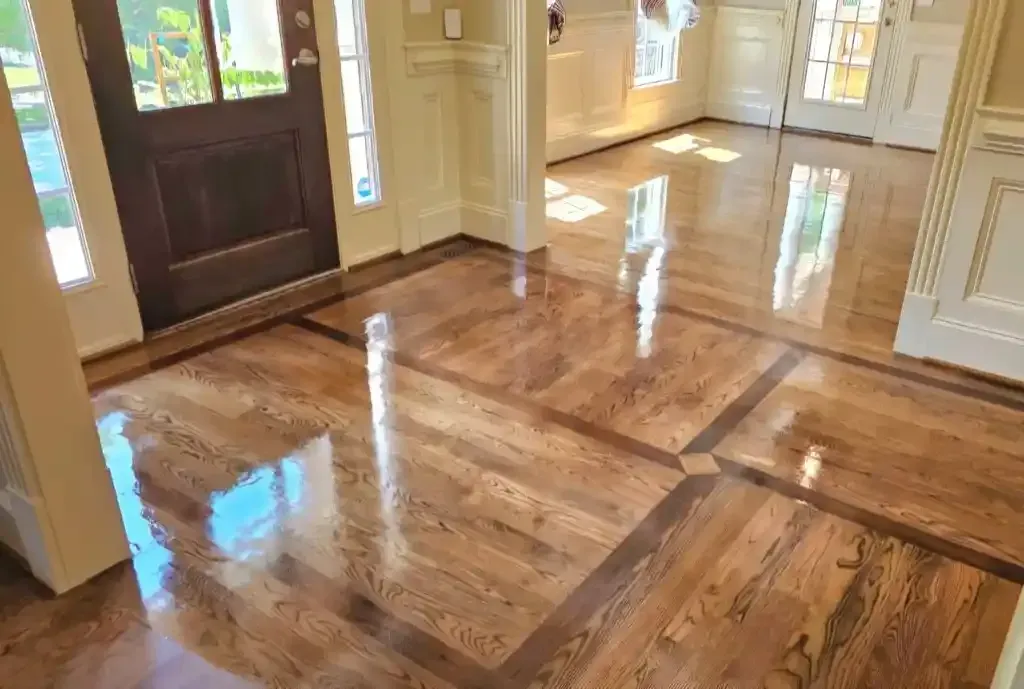
Castle Rock's established neighborhoods — Founders Village, older Plum Creek properties, and some Happy Canyon homes built in the 1970s and 1980s — contain original hardwood finished with paste wax rather than polyurethane. Waxed hardwood is the most common Castle Rock hardwood cleaning mistake scenario we encounter — homeowners applying water-based floor cleaners to waxed hardwood strip the wax layer, leaving the wood unprotected and producing blotchy, uneven surface appearance that requires professional wax restoration.
Finish identification before any chemistry is applied prevents this outcome. We identify wax finish in Castle Rock older homes before treating and apply wax-compatible dry chemistry only — never water-based cleaning on waxed hardwood.
Hardwood Finish Identification — What Castle Rock Homes Have and What Each Requires
Polyurethane-Finished Hardwood
Most common finish in Castle Rock residential hardwood — oil-based or water-based polyurethane applied as surface protective coating. pH-neutral chemistry only — alkaline above pH 8 degrades polyurethane bond with repeated use. Low-moisture application and immediate extraction. Castle Rock hard water mineral film removed with pH-neutral mineral-targeting formulation. No steam — heat lifts polyurethane adhesion from wood substrate.
Waxed Hardwood
Present in pre-1990s Castle Rock homes — Founders Village, older Happy Canyon and Plum Creek properties. Identified by absence of plastic-like sheen — waxed hardwood has a softer, more matte appearance than polyurethane. Water-based cleaners strip wax layer — wax-compatible dry chemistry only. No wet cleaning of any kind. Professional wax restoration after cleaning available as add-on service.
Oil-Finished Hardwood
Penetrating oil finish that soaks into the wood grain rather than forming a surface film — present in some Castle Rock higher-value home installations. Film-forming cleaners conflict with the open-grain finish surface. pH-neutral oil-compatible chemistry — no standard floor cleaner products. Low-moisture application. Castle Rock newer builds with oil-finished hardwood increasing in Terrain and newer development areas.
Engineered Hardwood
Real wood veneer over plywood or HDF core — common in Castle Rock main living areas and basement conversions. Veneer layer has the same finish sensitivity as solid hardwood. Core provides dimensional stability solid hardwood lacks — slightly more tolerant of moisture than solid hardwood but still requires low-moisture protocol. Castle Rock heating season veneer contraction — same micro-gap risk at veneer seams as solid hardwood board seams during October–April contraction window.
Our Hardwood Floor Cleaning Process for Castle Rock Homes
Pre-Inspection — Finish Identification and Seasonal Assessment
Finish type confirmed — polyurethane, wax, oil, or unsealed — before any chemistry is applied. Seasonal timing noted — cleaning during October–April heating season contraction window receives maximum moisture restriction. Existing damage — cupping, finish hazing, seam gaps, finish lifting — identified and discussed before cleaning begins. Castle Rock hard water mineral film on finish surface distinguished from finish degradation damage.
Pre-Vacuuming — Red Clay Grit Removal
Soft-bristle vacuum attachment removes all surface particulate — Castle Rock red clay iron oxide grit, road treatment chemical crystals, and general debris — before any wet cleaning begins. Abrasive grit dragged across hardwood finish during wet cleaning scratches the polyurethane surface. Pre-vacuuming is the single most important scratch-prevention step for Castle Rock hardwood given the abrasive quality of Douglas County red clay particles.
pH-Neutral Pre-Treatment — Finish-Matched and Moisture-Controlled
pH-neutral cleaning solution matched to finish type applied at minimum effective moisture volume. For polyurethane finish — residue-free pH-neutral formulation with mineral-targeting component for Castle Rock hard water film removal. Applied with slightly dampened microfiber pad — not a wet mop. Application volume calibrated to the seasonal contraction window — October through April application uses the most conservative moisture level of the year.
For waxed hardwood — wax-compatible dry chemistry only. No water-based solution regardless of soil load.
For oil-finished hardwood — pH-neutral oil-compatible formulation. No film-forming products that conflict with open-grain finish.
Low-Moisture Agitation — Grain Direction
Non-abrasive microfiber agitation follows wood grain direction — cross-grain agitation creates visible scratching in finish surface. Agitation intensity matched to finish type — gentle on waxed and oil-finished surfaces, standard on polyurethane. No abrasive pads under any circumstances on any hardwood finish type.
Controlled Extraction — Immediate Moisture Removal
Cleaning solution and dissolved contamination extracted immediately — no air-drying on Castle Rock hardwood. Air-drying cleaning solution re-deposits Castle Rock hard water minerals from the solution water on the finish surface and extends moisture contact time on board seams during the contraction window. Extraction removes moisture from the hardwood surface within seconds of application — minimizing total moisture exposure time on wood and finish simultaneously.
Post-Inspection and Drying
Post-cleaning inspection under raking light confirms finish clarity, mineral film removal, and absence of water marks or streaking. Any remaining mineral concentrations or spots receive targeted pH-neutral spot treatment. Drying time in Castle Rock conditions — typically 30 to 60 minutes given low ambient humidity and altitude evaporation rate — faster than humid climate drying times. Remaining surface moisture dried immediately with dry microfiber cloth before leaving.
Best Time to Clean Hardwood Floors in Castle Rock — Seasonal Guidance
Spring — April to May — Optimal
Heating season has ended. Forced-air heat off or minimal. Boards have stabilized after seven-month contraction — micro-gaps have closed as indoor humidity recovers. Road treatment chemical accumulation at seasonal maximum — post-winter cleaning removes full winter deposit before summer traffic. Optimal moisture-entry risk profile for Castle Rock hardwood cleaning.
Summer — June to August — Second Best
Board expansion from summer humidity closes contraction gaps fully. Lowest moisture entry risk at board seams. Castle Rock indoor humidity highest of the year — drying time slightly longer than other seasons but still within low-residue extraction parameters.
October — Pre-Heating Season
Second recommended cleaning cycle for Castle Rock hardwood. Removes summer accumulation before heating season activates. Road treatment chemical season begins — cleaning before October captures the clean board seam profile before chloride compounds begin tracking in. Heating season not yet fully activated — moisture entry risk at board seams still at summer-closure level.
November to March — Highest Risk Window
Maximum contraction gap opening during peak heating season. Most conservative moisture protocol applied. Emergency or urgent cleaning during this window proceeds with maximum moisture restriction and immediate extraction. Elective cleaning deferred to spring when possible.
OUR 4 EASY STEPS
How to Book Hardwood Floor Cleaning in Castle Rock — 4 Steps
01
Call or Submit Online

Call (720) 730-8055 or submit the online form. Surface type — natural stone, engineered hardwood, LVT, carpet — room count, and specific concerns confirmed on the call. Hardwood finish type, seasonal timing, and Castle Rock neighborhood confirmed for dispatch scheduling.
02
Free Upfront Quote

Accurate quote before scheduling. Specialist surface protocol — natural stone, premium upholstery — confirmed and included. No door-step additions.
03
Scheduled or Same-Day Appointment

Morning, afternoon, and after-hours slots available. Same-day confirmed before noon. Emergency 24/7 — Tier 1 dispatch from Castle Rock base.
04
Certified Service & Results

Pre-inspection confirms surface type — tile type, finish identification, fabric code — and soil load before treatment begins. Service completed. Drying time 2 to 4 hours with low-residue method. Completion walkthrough before leaving.
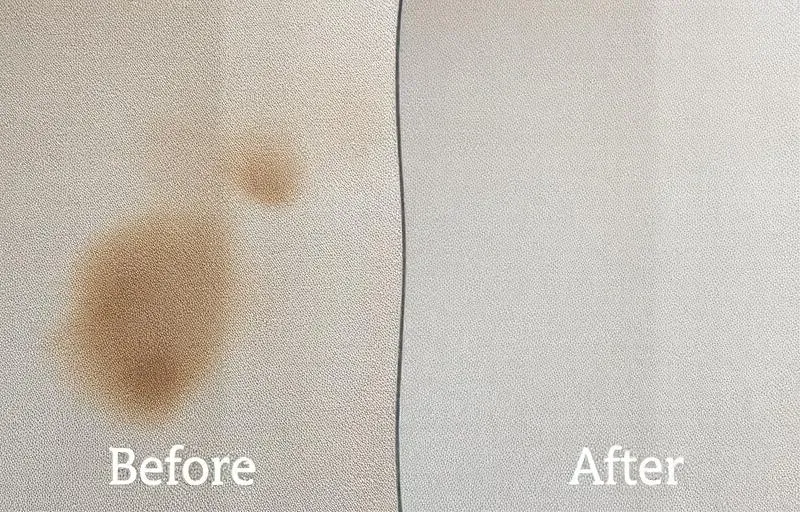
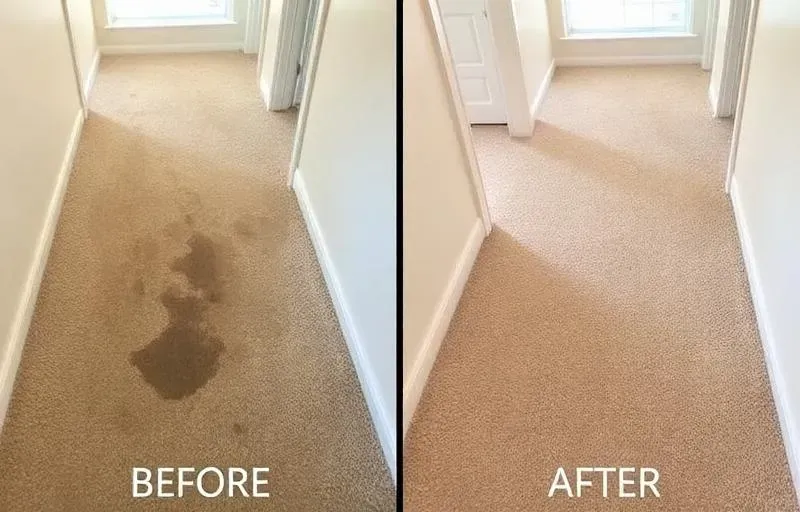
Real Results
See the Difference for Yourself

Related Services and Pages
Castle Rock City Hub
Emergency Carpet Cleaning in Castle Rock
Castle Rock Specialized Sections
Carpet Cleaning in Castle Rock
Stain & Odor Removal in Castle Rock
Tile & Grout Cleaning in Castle Rock
LVT Floor Cleaning in Castle Rock
Upholstery Cleaning in Castle Rock
FAQs
Frequently Asked Questions — Hardwood Floor Cleaning in Castle Rock, CO
Why does my Castle Rock hardwood finish look dull and hazy despite regular cleaning?
Two Castle Rock-specific causes. First — Castle Rock hard water from the Denver Basin aquifer deposits calcium and magnesium mineral film on polyurethane finish with every mop pass. At 6,224-foot elevation, Colorado's low humidity accelerates evaporation — mineral deposits form faster here than in soft-water lower-elevation locations. Second — cleaning product residue from most consumer floor cleaners builds a dull film on finish with repeated application. Professional low-moisture pH-neutral cleaning removes both mineral film and residue buildup — restoring finish clarity without stripping or abrasive action.
Is spring the best time to clean Castle Rock hardwood floors?
Yes — April or May is the optimal timing for Castle Rock hardwood cleaning. Heating season has ended, boards have stabilized after seven months of forced-air contraction, and the micro-gaps that open between boards during the heating season have closed. Road treatment chemical accumulation is at its annual maximum in spring — post-winter cleaning removes the full October–April deposit. Summer is the second-best window. Cleaning during November through March heating season proceeds with the most conservative moisture protocol of the year.
My Castle Rock home has original 1970s hardwood — how do I know if it is waxed or polyurethane?
The appearance test is the quickest indicator. Polyurethane finish has a plastic-like sheen — it looks like a surface coating over the wood. Waxed hardwood has a softer, more matte appearance — the finish soaks into the wood surface rather than sitting on top of it. A water drop test confirms — water beads on polyurethane and absorbs into waxed hardwood within seconds. We identify finish type on arrival before any chemistry is applied. Applying water-based cleaning to waxed hardwood strips the wax layer — finish identification before treatment is non-negotiable.
Can steam cleaning damage Castle Rock hardwood?
Yes — and Castle Rock's climate makes it more damaging than in humid climates. Steam applies high-temperature vapor and condensed moisture to hardwood finish and board seams. Heat causes rapid wood expansion. Moisture enters the wood grain through seams — in Castle Rock homes during heating season, those seams are at maximum opening from contraction. The combination of steam moisture entering maximally contracted board seams produces cupping and grain raising that may not fully reverse when the board dries. Most hardwood manufacturers void warranties for steam cleaning. We do not use steam on hardwood under any circumstances.
Do you serve all Castle Rock neighborhoods for hardwood floor cleaning?
Yes — Founders Village, The Meadows, Cobblestone Ranch, Crystal Valley, Plum Creek, Happy Canyon, Terrain, and all Castle Rock residential addresses. Older Founders Village and Happy Canyon homes with waxed hardwood receive finish identification on arrival — wax-compatible protocol applied. Call (720) 730-8055 to schedule.
Real Cleaning Stories & Carpet Care Tips
Explore real carpet, tile, upholstery, and hardwood cleaning jobs from across Colorado. We share actual stain removal cases, restoration challenges, and professional cleaning insights based on decades of hands-on experience.
Pet Urine Sub-Floor Injection — Castle Rock Redhawk | Colorado Choice
Surface cleaning won't fix sub-floor pet urine. We used needle injection through carpet and pad to treat the source in a Redhawk Castle Rock home. Same-day, $299. (720) 730-8055. ...more
Same-Day Service ,Carpet Cleaning Castle Rock &Pet Urine Removal
June 04, 2026•7 min read
How to Choose a Carpet Cleaner in Castle Rock, CO — 7 Questions to Ask
Not all carpet cleaners are equal. Ask these 7 questions — IICRC certification, truckmount equipment, dry time, and more — before booking anyone in Castle Rock, CO. ...more
Carpet Cleaning ,Castle Rock
May 28, 2026•5 min read
Best Time of Year to Clean Carpet in Castle Rock, CO
Spring is the best time to clean carpet in Castle Rock. Road treatment ends, heating season is over, and elevation dries carpet in 2-4 hours. Call now. ...more
Pet Urine ,Carpet Cleaning &Castle Rock
May 12, 2026•7 min read
Book Your Castle Rock Hardwood Floor Cleaning — Free Quote, Finish-Safe Seasonal Protocol
Castle Rock hardwood floors deal with a seasonal stress cycle that most cleaning guides do not address — seven months of forced-air heat causes the boards to contract and open micro-gaps at seams that become moisture entry points if cleaning is done wrong. We identify your finish type before any chemistry is applied, apply the most conservative moisture protocol during the October–April contraction window, and time our spring recommendation around when Castle Rock boards have stabilized and road treatment chemical accumulation is at its peak. If your home has original waxed hardwood from the 1970s or 1980s — common in Founders Village and older Happy Canyon properties — we identify it before we start and apply wax-compatible dry chemistry only.
Call (720) 730-8055 or fill out the form for a free upfront quote.
We'll text you back within minutes. No spam, ever.
IICRC-certified carpet, tile & upholstery cleaning — Castle Rock, CO and the Denver Metro
Services
Location