🔥 Limited Time Online Only Special — 3 Rooms + Hallway $119 | Book This Week → Claim Offer


5-Star Rated · IICRC Certified · 23+ Years
Castle Rock LVT Floor Cleaning — pH-Neutral Hard Water Mineral Removal for Douglas County Homes.
LVT floor cleaning in Castle Rock has one dominant challenge that distinguishes it from LVT cleaning in soft-water markets — Douglas County hard water. Sourced from the Denver Basin aquifer and rated hard to very hard, Castle Rock water deposits calcium and magnesium on the LVT wear layer with every mop pass. At 6,224 feet elevation, Colorado's low humidity accelerates evaporation — mineral deposits form faster and in higher concentration per drying cycle than at lower-elevation soft-water locations. The white haze or cloudy film developing on Castle Rock LVT within days of mopping is hard water mineral accumulation from the mop water itself — not a cleaning failure.
Colorado Choice Carpet Cleaning provides professional LVT floor cleaning in Castle Rock using pH-neutral chemistry specifically calibrated for Castle Rock's hard water mineral profile and controlled moisture extraction that removes accumulated mineral and residue buildup without the alkaline chemistry or steam that degrades the wear layer.
Fully certified for carpet, tile & upholstery

Trusted, vetted, and held to the highest standards.

Complete satisfaction or we come back free

5-Star Rated on Google

Business Rate Award Winner 2026
Approved By 300+ Of Castle Rock Customers ✅
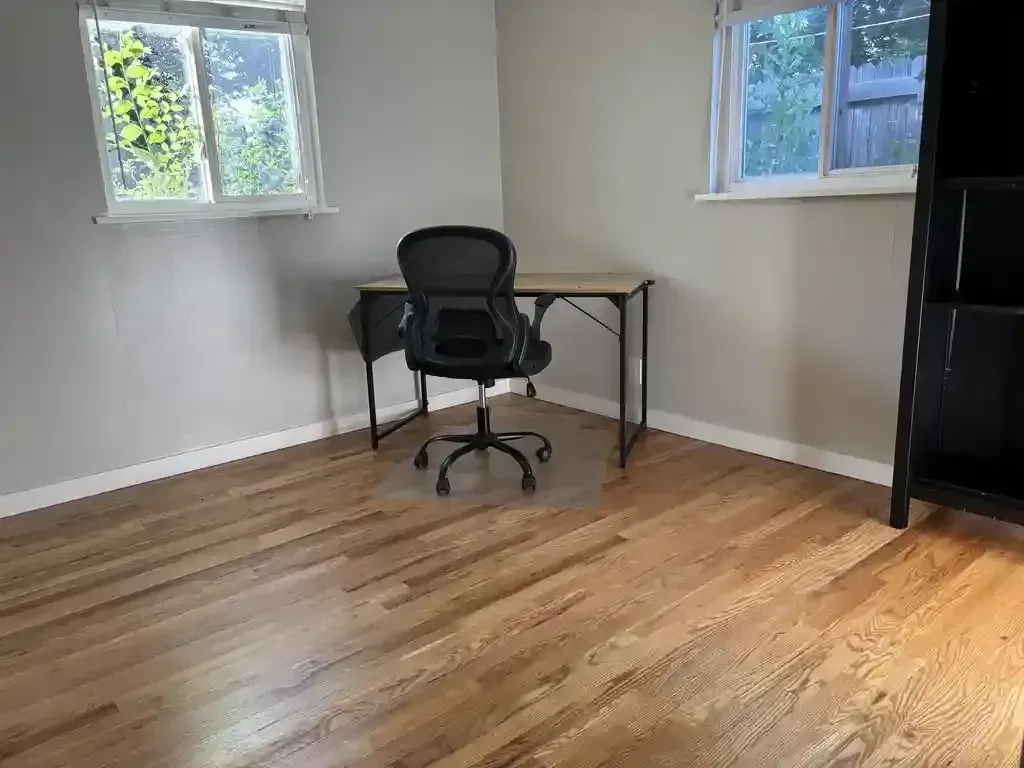
Why Castle Rock LVT Gets Dull and Hazy Faster — Douglas County Hard Water at Altitude
Hard Water Mineral Deposits — The Castle Rock LVT Problem
Every gallon of Castle Rock tap water used in routine mopping carries dissolved calcium and magnesium from the Denver Basin aquifer. When that water evaporates on the LVT wear layer surface — which happens faster at Castle Rock's 6,224-foot elevation than in lower-elevation soft-water regions — the dissolved minerals remain behind as calcium carbonate and magnesium scale deposits. Each mop cycle deposits another mineral layer. Over weeks the accumulation produces the characteristic white haze or cloudy film that Castle Rock LVT homeowners describe as the floor looking permanently dirty despite regular mopping.
This mineral accumulation cannot be removed by mopping — mopping applies more Castle Rock hard water to the surface, depositing additional minerals in the same cycle. Consumer floor cleaners — even those labeled for LVT — applied with Castle Rock tap water carry mineral load and leave residue as they dry. Professional LVT cleaning with pH-neutral mineral-targeting chemistry and controlled moisture extraction removes the accumulated mineral layer without the acidic chemistry that would etch the wear layer or the alkaline chemistry that would degrade it.
Cleaning Product Residue Buildup on Castle Rock LVT
The second most common LVT contamination source in Castle Rock homes is the cleaning product used to maintain it. Most consumer floor cleaners — including products labeled vinyl-safe or LVT-specific — leave a thin residue film on the wear layer after each application. That film dries progressively duller with each mopping cycle and creates a sticky surface layer that attracts Castle Rock's red clay soil and winter road treatment chemical deposits faster than a clean wear layer would.
Castle Rock's combination of hard water mineral deposits and cleaning product residue film creates a compounding contamination cycle — each mop pass adds minerals from the water and residue from the cleaning product simultaneously. Professional cleaning with residue-free pH-neutral chemistry removes both layers in a single service — resetting the wear layer to factory clarity.
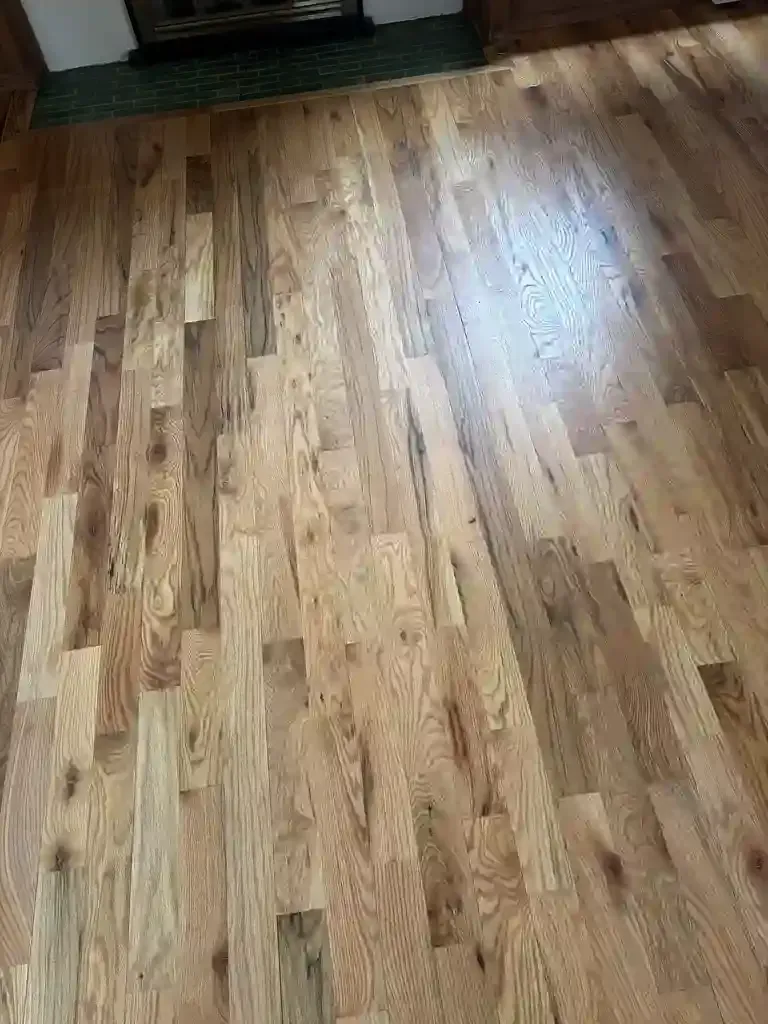
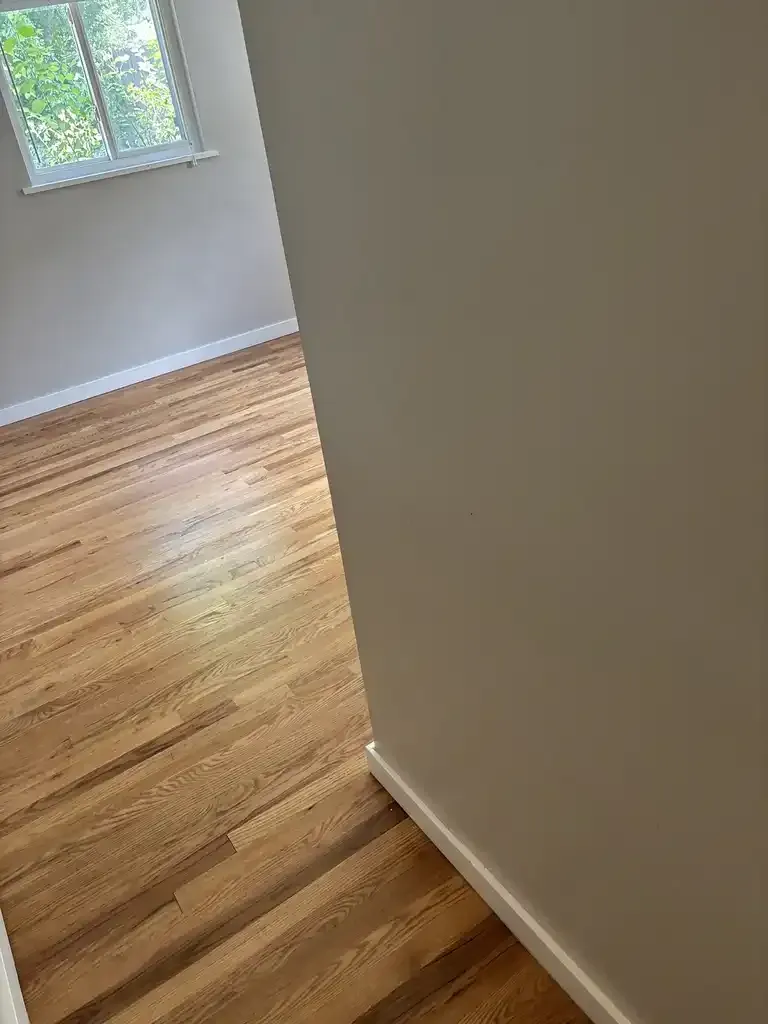
Alkaline and Steam Damage on Castle Rock LVT
Castle Rock homeowners applying the wrong cleaning products to LVT are the most common source of permanent wear layer damage we see in this market. Two damage mechanisms occur regularly.
First — alkaline cleaners. Multipurpose floor cleaners, tile and grout cleaners, and general-purpose household cleaners typically have pH above 8. Applied to LVT, alkaline chemistry attacks the wear layer surface with each use. The resulting hazing is not mineral accumulation — it is chemical degradation of the wear layer polymer. This type of damage is not removable by professional cleaning. It requires professional refinishing or floor replacement.
Second — steam mops. Castle Rock homeowners purchasing steam mops for LVT — marketed as hygienic and chemical-free — produce the most consistent single source of LVT floor damage we encounter in Douglas County. High-temperature vapor and moisture penetrate LVT seams and the wear layer edge. Heat causes the vinyl core to expand and contract. Repeated steam cleaning produces seam separation, plank warping, and backing delamination. Most LVT manufacturer warranties are explicitly voided by steam mop use. We assess wear layer and seam condition during pre-inspection — existing steam damage is identified and discussed honestly before cleaning begins.
Castle Rock New Construction and Rental Property LVT
LVT is the dominant flooring choice in Castle Rock new construction — Cobblestone Ranch, Terrain, and Canyons-adjacent Castle Rock builds installed in the 2010s through present. New LVT in Castle Rock begins accumulating hard water mineral deposits from the first mop cycle of occupancy. Homeowners in new Castle Rock builds frequently contact us within the first year reporting LVT haze — not from neglect but from Castle Rock hard water chemistry acting on new wear layer surfaces from day one.
Castle Rock's rental property density also produces consistent LVT cleaning demand — landlords and property managers updating rental units with LVT require professional cleaning between tenant cycles to remove accumulated mineral and residue buildup before new occupancy.
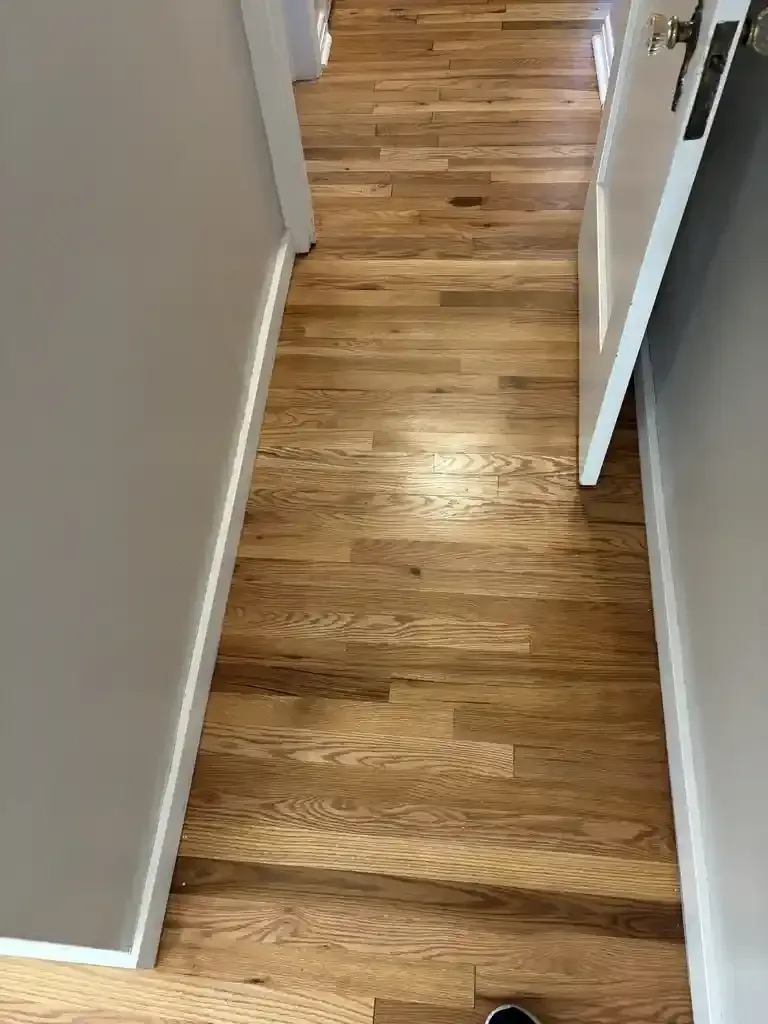
Our LVT Floor Cleaning Process for Castle Rock Homes
Pre-Inspection and Wear Layer Assessment
LVT format confirmed — tile or plank, rigid core or flexible, textured or smooth surface. Wear layer condition assessed — existing alkaline chemistry hazing, steam damage at seams, or mineral accumulation distinguished before cleaning begins. Existing wear layer degradation from incorrect chemistry is identified honestly — professional cleaning restores mineral and residue accumulation, not chemically degraded wear layer surface.
Soil load classified — light surface mineral and residue film, medium embedded mineral buildup with soil accumulation in texture recesses, heavy compacted contamination requiring multiple treatment passes.
Pre-Vacuuming with Soft-Bristle Attachment
HEPA-filtered vacuum with soft-bristle floor attachment removes abrasive surface particulate — Castle Rock red clay grit and winter road treatment chemical crystals — before wet cleaning begins. Hard grit dragged across LVT during wet cleaning scratches the wear layer surface. Pre-vacuuming is particularly important in Castle Rock entryway and hallway LVT where red clay and road chemical tracking is highest.
pH-Neutral Pre-Treatment — Castle Rock Hard Water Calibration
pH-neutral cleaning solution with mineral-targeting surfactant applied to LVT surface. Castle Rock formulation — calibrated for Douglas County hard water mineral profile — uses higher mineral-dissolving surfactant concentration than standard pH-neutral LVT products. Dwell time: 3 to 5 minutes. Sufficient for chemistry to break calcium carbonate and magnesium scale bonds without extended contact at seam edges.
For kitchen LVT with cooking grease accumulation — pH-neutral formulation with lipid-targeting surfactant component applied. Grease on LVT in Castle Rock kitchens creates a tacky surface layer that accelerates red clay soil adhesion — grease emulsification before extraction removes the adhesion accelerant.
Low-Moisture Agitation
Non-abrasive microfiber pad or soft agitation tool works pre-treatment across wear layer surface and into texture recesses. No abrasive pads — even mildly abrasive contact scratches LVT wear layer under mechanical pressure. Agitation direction follows plank or tile orientation to prevent cross-grain scratching on wood-pattern LVT.
Controlled Moisture Extraction
Cleaning solution and dissolved mineral and residue contamination extracted simultaneously — not allowed to air-dry on the LVT surface. Air-drying cleaning solution on Castle Rock LVT re-deposits Castle Rock hard water minerals from the solution water itself — the contamination cycle that professional cleaning is designed to break. Controlled extraction removes moisture from the wear layer surface immediately after agitation, preventing re-deposition.
Post-Inspection and Spot Treatment
LVT surface inspected under direct light after extraction. Remaining mineral concentrations, isolated residue buildup, or staining receives targeted spot treatment with pH-neutral chemistry matched to the contamination type. Wear layer clarity confirmed before leaving.
Maintaining Castle Rock LVT Between Professional Cleanings
Daily and Weekly Maintenance in Castle Rock
Dry dust mopping or soft-bristle vacuuming daily in Castle Rock entryway and hallway LVT — removes red clay grit and road treatment chemical crystals before foot traffic grinds them across the wear layer surface. This single daily action has the most impact on wear layer scratch prevention in Castle Rock homes.
Weekly damp mopping — pH-neutral LVT-specific cleaner at correct dilution, microfiber mop wrung nearly dry, no puddling at plank seams. Castle Rock hard water in the mop bucket re-deposits minerals on the wear layer as it evaporates — using the minimum water volume necessary reduces per-cycle mineral deposition.
What to Avoid on Castle Rock LVT
Steam mops — most common LVT damage source in Castle Rock. Seam penetration, warping, delamination. Voids most manufacturer warranties.
Alkaline cleaners above pH 8 — degrades wear layer with repeated use. Includes most multipurpose floor cleaners, tile cleaners, and general household cleaners available in Castle Rock hardware and grocery stores.
Acidic cleaners below pH 6 — etches wear layer surface. Includes vinegar-based cleaners and hard water descalers — counterintuitively, the descalers marketed for hard water problems cause wear layer damage on Castle Rock LVT.
Wax or polish products — build film on wear layer requiring stripping to remove.
OUR 4 EASY STEPS
How to Book LVT Floor Cleaning in Castle Rock — 4 Steps
01
Call or Submit Online

Call (720) 730-8055 or submit the online form. Surface type — natural stone, engineered hardwood, LVT, carpet — room count, and specific concerns confirmed on the call. LVT type, wear layer condition, and Castle Rock neighborhood confirmed for dispatch scheduling.
02
Free Upfront Quote

Accurate quote before scheduling. Specialist surface protocol — natural stone, premium upholstery — confirmed and included. No door-step additions.
03
Scheduled or Same-Day Appointment

Morning, afternoon, and after-hours slots available. Same-day confirmed before noon. Emergency 24/7 — Tier 1 dispatch from Castle Rock base.
04
Certified Service & Results

Pre-inspection confirms surface type — tile type, finish identification, fabric code — and soil load before treatment begins. Service completed. Drying time 2 to 4 hours with low-residue method. Completion walkthrough before leaving.
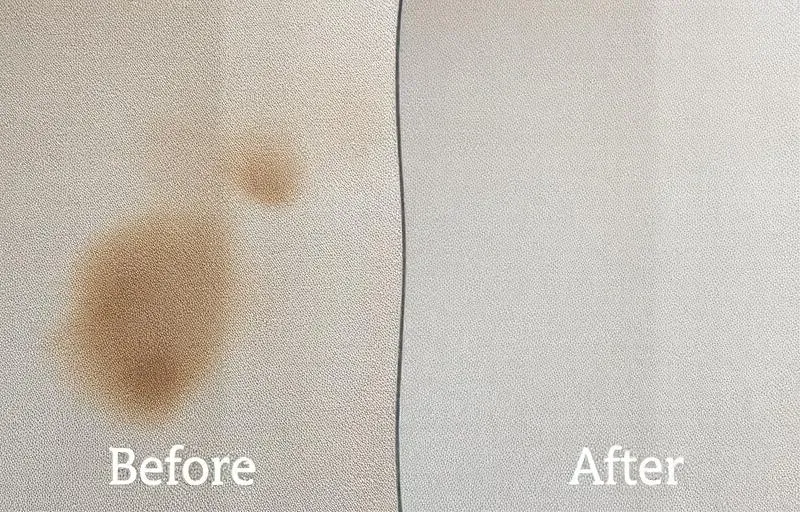
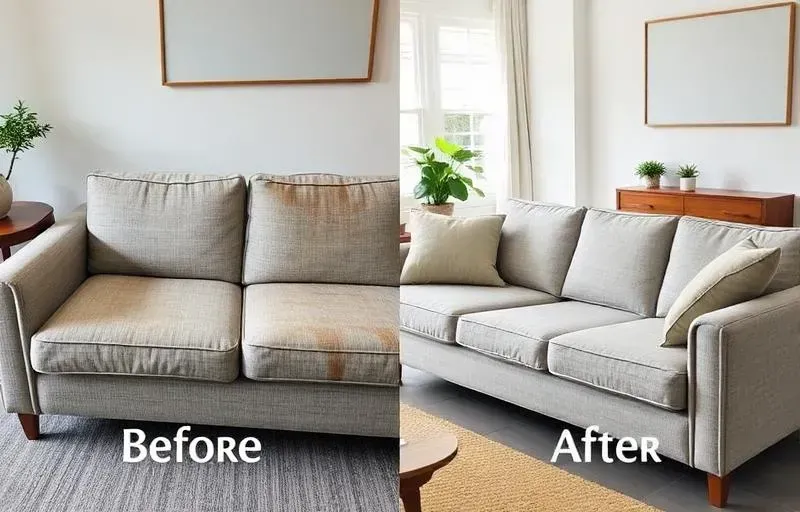
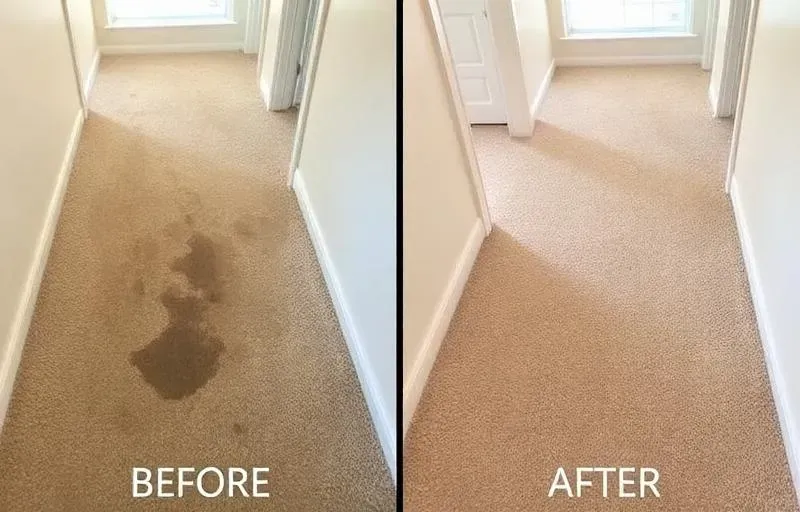
Real Results
See the Difference for Yourself
Related Services and Pages
Castle Rock City Hub
Emergency Carpet Cleaning in Castle Rock
Castle Rock Specialized Sections
Carpet Cleaning in Castle Rock
Stain & Odor Removal in Castle Rock
Tile & Grout Cleaning in Castle Rock
Upholstery Cleaning in Castle Rock
Same-Day Carpet Cleaning in Castle Rock
FAQ
Frequently Asked Questions — LVT Floor Cleaning in Castle Rock, CO
Why does my Castle Rock LVT look cloudy and hazy despite regular mopping?
Castle Rock water is rated hard to very hard from the Denver Basin aquifer. Every mop pass deposits dissolved calcium and magnesium on the LVT wear layer as water evaporates. At Castle Rock's 6,224-foot elevation, Colorado's low humidity accelerates evaporation — minerals deposit in higher concentration per drying cycle than in soft-water, lower-elevation regions. The haze is hard water mineral accumulation from the mop water — not a product of cleaning frequency. Professional pH-neutral extraction removes the accumulated mineral layer. Switching to a pH-neutral LVT cleaner at correct dilution with a nearly dry microfiber mop slows re-accumulation between professional cleaning cycles.
Can steam mop damage be repaired on Castle Rock LVT?
If damage is seam separation or plank warping — these are structural issues requiring board replacement, not cleaning repair. If the wear layer surface appears hazy or dull from steam contact — wear layer polymer degradation from repeated heat exposure is permanent and cannot be restored by cleaning. We assess wear layer and seam condition during pre-inspection and advise honestly on whether the presenting issue is restorable mineral and residue accumulation or permanent steam-related damage before any cleaning commitment is made.
Is pH-neutral cleaner available in Castle Rock stores sufficient for routine LVT maintenance?
pH-neutral LVT-specific consumer cleaners used correctly — correct dilution, nearly dry microfiber mop, no puddling — are appropriate for routine Castle Rock LVT maintenance between professional cleaning cycles. The limitation is delivery and extraction — consumer mopping applies solution and allows it to air-dry, re-depositing Castle Rock hard water minerals from the solution water. Professional cleaning extracts during the cleaning process — removing mineral deposits rather than redistributing them. Consumer maintenance at correct protocol combined with annual professional extraction maintains Castle Rock LVT wear layer clarity longer than consumer maintenance alone.
How often should Castle Rock LVT be professionally cleaned?
Annually for average Castle Rock residential LVT — shorter interval than national recommendation due to Douglas County hard water mineral accumulation rate. Castle Rock entryway and kitchen LVT with highest red clay and grease contact — every 6 to 12 months. New construction LVT in Cobblestone Ranch, Terrain, and newer Castle Rock builds — first professional cleaning within the first year of occupancy recommended to remove initial hard water mineral accumulation before it compacts into the wear layer surface texture.
Do you clean LVT in rental properties and new Castle Rock construction?
Yes. Rental property LVT turnover cleaning between tenants — removing accumulated mineral and residue buildup before new occupancy — is a consistent Castle Rock property management service request. New construction LVT cleaning in first-year Castle Rock homes is a growing service category as Cobblestone Ranch, Terrain, and new development builds mature into their first professional cleaning cycle. Call (720) 730-8055 to schedule.
Real Cleaning Stories & Carpet Care Tips
Explore real carpet, tile, upholstery, and hardwood cleaning jobs from across Colorado. We share actual stain removal cases, restoration challenges, and professional cleaning insights based on decades of hands-on experience.
No blogs found
Book Your Castle Rock LVT Floor Cleaning — Free Quote, Hard Water Mineral Removal
Castle Rock LVT deals with a contamination cycle that mopping makes worse — every pass adds mineral deposits from Douglas County hard water and residue from the cleaning product, simultaneously. If your floors have developed a haze or cloudy film that comes back within days of mopping, that is Castle Rock hard water chemistry at work, not a cleaning failure. We remove the accumulated mineral and residue layer using pH-neutral chemistry calibrated for Douglas County water conditions and controlled extraction that does not re-deposit minerals as it dries. We also assess wear layer condition honestly — if existing steam or alkaline damage is present, we tell you before we start. Call (720) 730-8055 or fill out the form for a free upfront quote.
We'll text you back within minutes. No spam, ever.
IICRC-certified carpet, tile & upholstery cleaning — Castle Rock, CO and the Denver Metro
Services
Location