🔥 Limited Time Online Only Special — 3 Rooms + Hallway $119 | Book This Week → Claim Offer

Professional LVT Floor Cleaning — Denver Metro
Luxury vinyl tile is durable, waterproof, and scratch-resistant — but its wear layer is chemically sensitive in a way most homeowners do not discover until after the damage is done. The wrong cleaning chemistry — alkaline tile cleaners, steam cleaners, acidic descalers — dulls, hazes, and degrades the wear layer that gives LVT its clarity and sheen. Colorado Choice Carpet Cleaning provides professional LVT floor cleaning across the Denver Metro using pH-neutral chemistry and moisture-controlled methods that deep clean without compromising the wear layer.
✅ pH-Neutral Chemistry Only
🛡️ Wear Layer Safe
💧 No Steam — Controlled Moisture
🏠 Residential & Commercial LVT
📍 Denver Metro & Surrounding Cities
Fully certified for carpet, tile & upholstery
Trusted, vetted, and held to the highest standards.

Complete satisfaction or we come back free

5-Star Rated on Google
Business Rate Award Winner 2026
Approved By 300+ Of Denver Metro Customers ✅
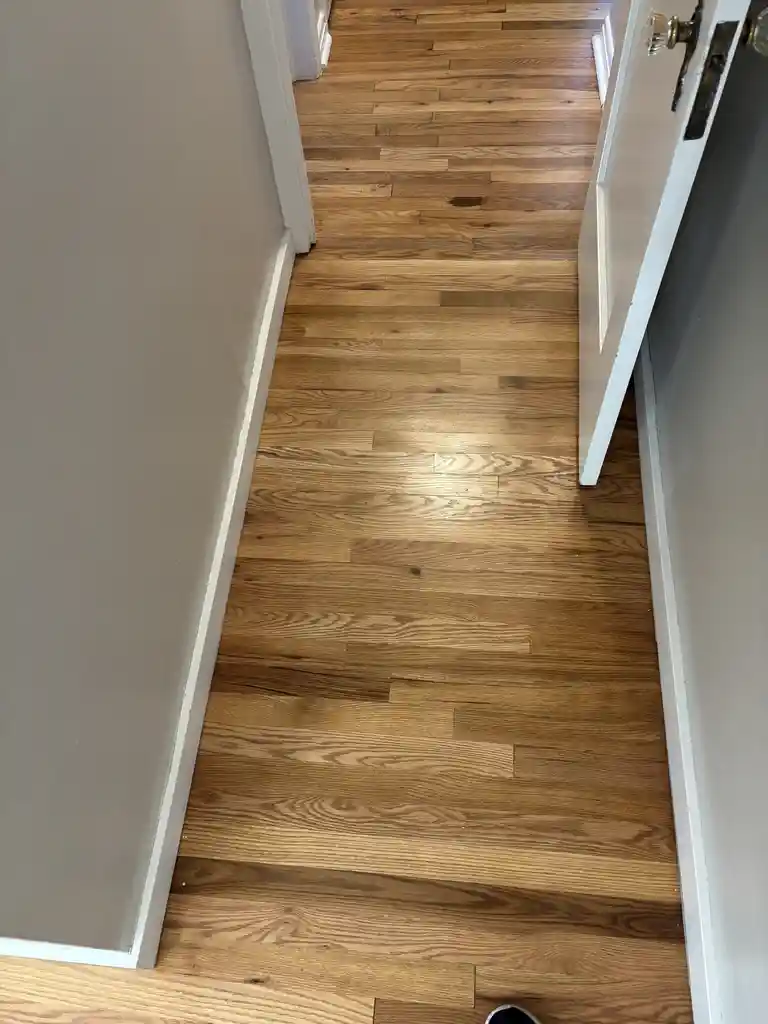
What LVT Flooring Is — And Why Standard Floor Cleaners Damage It
LVT Structure — Wear Layer, Print Layer, Core
Luxury vinyl tile is a multi-layer synthetic flooring product. The bottom layer is the core — either rigid (WPC or SPC) or flexible vinyl. Above the core is the print layer — a high-resolution photographic image that gives LVT its wood, stone, or tile appearance. Over the print layer is the wear layer — a clear, transparent coating that protects the print layer from scratching, scuffing, and surface abrasion.
The wear layer is what you walk on, clean, and maintain. It is also what is destroyed by incorrect cleaning chemistry. Once the wear layer is hazed, dulled, or chemically degraded — it cannot be restored by cleaning. It requires professional refinishing or floor replacement.
Why Standard Cleaning Products Damage LVT
Most homeowners apply whatever floor cleaner they have — or whatever is marketed as a heavy-duty floor cleaner — to their LVT. The problem is chemistry mismatch.
Alkaline cleaners — pH above 8 — including most tile and grout cleaners, multipurpose floor cleaners, and general-purpose degreasers, attack the wear layer surface at the chemical level. Repeated alkaline application produces a progressively hazier, duller surface that no amount of mopping corrects. The haze is not dirt. It is chemical degradation of the wear layer itself.
Acidic cleaners — pH below 6 — including vinegar-based cleaners, citrus degreasers, and hard water descalers, etch the wear layer surface similarly to how acid etches marble. The resulting surface is microscopically rougher — it looks dull and traps soil more readily than an intact wear layer.
Steam cleaners apply high-temperature vapor and moisture that penetrate LVT seams and the wear layer edge. Heat causes the vinyl core to expand and contract — over repeated steam cleaning this results in seam separation, plank warping, and backing delamination. Steam cleaning is one of the most common causes of LVT floor failure.
What pH-Neutral Chemistry Does Instead
pH-neutral cleaner — pH 7 — has no chemical reactivity with the wear layer surface. It removes soil, residue, and mineral deposits through surfactant action without attacking the vinyl chemistry. The wear layer retains its factory clarity. Soil release without surface degradation is the defining outcome of pH-neutral LVT cleaning.
Our LVT Floor Cleaning Process — Step by Step
Pre-Inspection and Wear Layer Assessment
We assess LVT format — tile or plank, rigid core or flexible, textured or smooth surface — and identify the current wear layer condition. Existing hazing, chemical damage, or seam lifting from previous incorrect cleaning is noted before service begins. Soil load is classified — light surface residue buildup, medium embedded grime and mineral deposits, or heavy accumulated contamination requiring multiple treatment passes.
Pre-Vacuuming with Soft-Bristle Attachment
Dry particulate removal before any moisture is applied. Hard grit and sand particles on LVT scratch the wear layer if dragged across the surface during wet cleaning. HEPA-filtered vacuum with soft-bristle floor attachment removes all abrasive surface particulate before wet cleaning begins — preventing scratch-induced wear layer damage during the cleaning process.
pH-Neutral Pre-Treatment Application
pH-neutral cleaning solution matched to the identified soil load and contamination type is applied to the LVT surface. For hard water mineral deposits, a pH-neutral mineral-targeting formulation is used — not acid-based descaler that etches the wear layer. For grease and food residue, a pH-neutral surfactant with lipid-targeting properties is applied. Dwell time is short — 3 to 5 minutes — sufficient for chemistry to break soil bonds without extended contact that could affect seam edges.
Low-Moisture Agitation
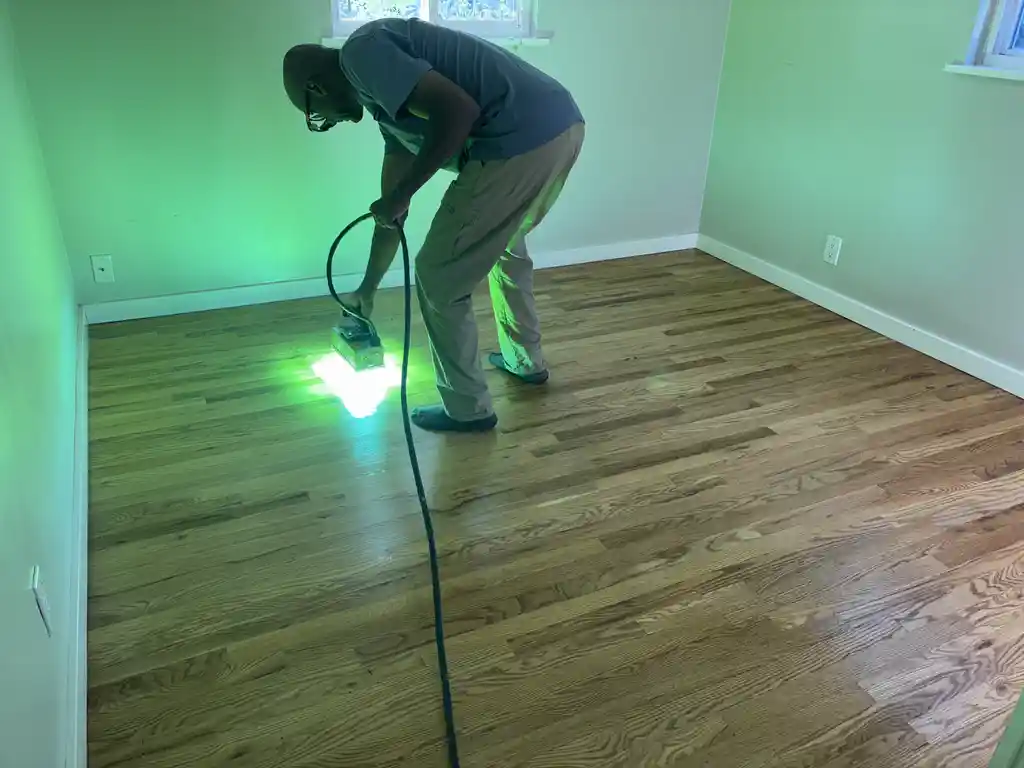
A soft microfiber pad or non-abrasive agitation tool works the pre-treatment chemistry across the wear layer surface and into texture recesses. No abrasive scrubbing pads — even mildly abrasive pads scratch LVT wear layer under mechanical pressure. Agitation is controlled, directional, and matched to the LVT surface texture profile.
Controlled Moisture Extraction
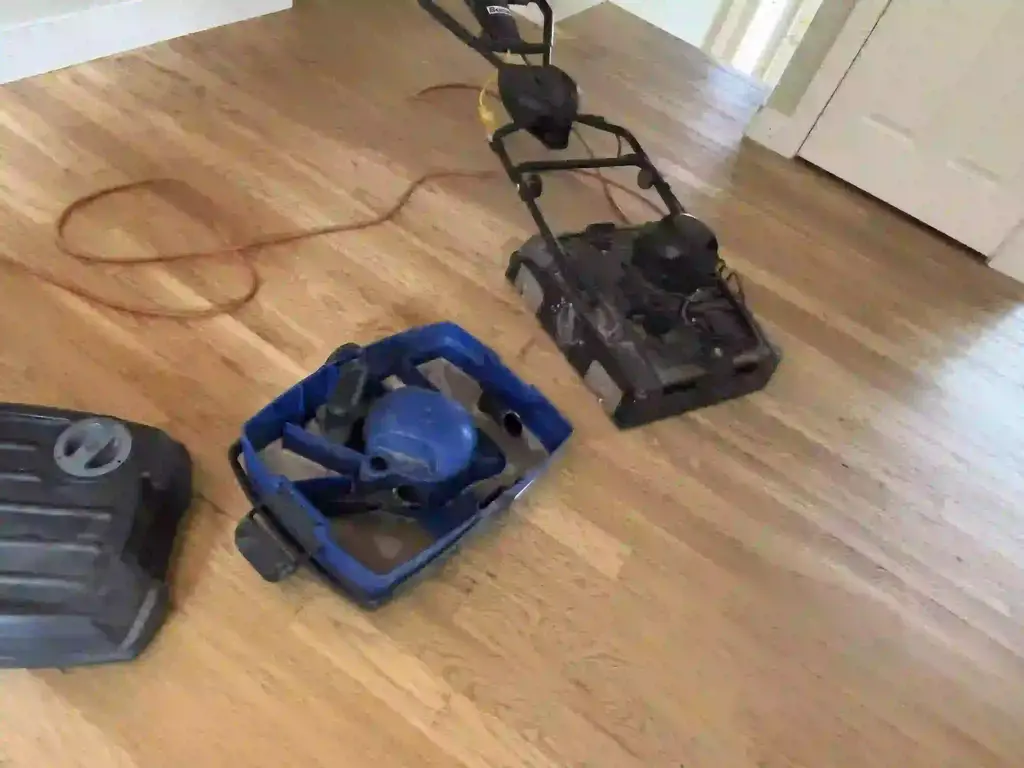
Cleaning solution and dissolved contamination extracted from the LVT surface using controlled low-moisture extraction — removing the chemistry and the contamination together rather than allowing the solution to air-dry on the surface. Air-drying cleaning solution on LVT leaves chemistry residue and mineral deposits from the solution water itself — the exact outcome professional cleaning is designed to prevent.
Inspection and Spot Treatment
Post-cleaning inspection under direct light identifies any remaining mineral deposits, residue concentrations, or isolated staining requiring targeted spot treatment. Remaining spots treated with appropriate pH-neutral spot chemistry matched to the contamination type.
What Builds Up on LVT Floors — And What Professional Cleaning Removes
Cleaning Product Residue
The most common contamination source on LVT in maintained homes is the cleaning product itself. Most consumer floor cleaners — including products marketed specifically for vinyl floors — leave a residue film on the wear layer after mopping. That film dries as a dull layer that attracts new soil adhesion, creating a cycle where the floor looks clean immediately after mopping and progressively dirtier within days. Professional LVT cleaning with pH-neutral chemistry and controlled moisture extraction removes accumulated residue buildup that routine mopping cannot clear — resetting the wear layer to its original clarity.
Hard Water Mineral Deposits
Denver Metro water — including Castle Rock, Douglas County, and the Front Range — is classified hard to very hard. Every mop pass with hard water deposits dissolved calcium and magnesium on the LVT wear layer as the water evaporates. In residential kitchens and bathrooms, hard water mineral deposits build as a white or cloudy film on LVT that regular mopping spreads rather than removes. Professional cleaning with pH-neutral mineral-targeting chemistry dissolves and extracts calcium and magnesium deposits from the wear layer surface without the acid chemistry that would damage the vinyl.
Embedded Soil and Grime
LVT in high-traffic areas — entryways, kitchens, corridors — accumulates soil that compresses into surface texture patterns and grout line recesses of textured LVT formats. Standard mop cleaning moves surface debris but cannot extract soil from texture recesses. Professional cleaning with appropriate agitation and controlled extraction removes embedded grime from textured wear layer surfaces without abrasive mechanical action that would scratch the vinyl.
Grease and Food Residue
Kitchen LVT accumulates cooking grease and food oil that deposits on the wear layer during food preparation. Grease on LVT creates a tacky surface that accelerates soil adhesion — the floor feels clean after mopping but attracts new dirt significantly faster than a grease-free surface. pH-neutral surfactant chemistry with lipid-targeting properties emulsifies grease from the wear layer without alkaline chemistry that would degrade the surface.
How to Maintain LVT Between Professional Cleanings
Daily and Weekly Maintenance
Dry dust mopping or soft-bristle vacuuming daily in high-traffic areas removes abrasive grit before it scratches the wear layer. This is the single highest-impact routine maintenance action for LVT lifespan.
Weekly damp mopping with a pH-neutral LVT-specific cleaner at correct dilution — microfiber mop, minimal moisture, no puddling — maintains surface appearance between professional cleaning cycles. Wring the mop until nearly dry before each pass. Standing water on LVT seams is a delamination risk over time regardless of LVT's waterproof surface claim — waterproof means the surface resists moisture penetration, not that seams tolerate sustained water contact.
What to Avoid on LVT
Steam mops — heat and moisture through seams causes warping and delamination. This is the most common homeowner mistake on LVT floors.
Alkaline cleaners — pH above 8. Includes most multipurpose floor cleaners, tile cleaners, and general-purpose household cleaners. Check pH before applying any product to LVT.
Acidic cleaners — pH below 6. Includes vinegar, citrus-based cleaners, and hard water descalers. Etches the wear layer surface.
Wax or polish products — LVT wear layer does not require waxing. Wax applied to LVT creates buildup that dulls the surface and requires stripping to remove.
Abrasive scrubbing pads — scratch wear layer surface microscopically, accelerating surface dulling and soil adhesion.
Residential vs Commercial LVT Cleaning — What Changes
Residential LVT cleaning addresses routine soil accumulation, hard water mineral deposits, cleaning product residue buildup, and kitchen grease on standard residential traffic levels. Professional cleaning every 12 to 18 months maintains wear layer clarity and surface appearance in average residential use.
Commercial LVT faces dramatically higher foot traffic, tracked-in soil volume, and cleaning product application frequency — all of which accelerate wear layer residue buildup and surface contamination beyond residential levels. Commercial LVT in high-traffic corridors, retail sales floors, and healthcare facility hallways requires professional cleaning every 3 to 6 months to maintain appearance and protect the wear layer from accelerated degradation.
Commercial LVT cleaning uses the same pH-neutral, controlled-moisture protocol as residential — scaled to the soil load, square footage, and scheduling requirements of commercial environments. After-hours and weekend scheduling available for all commercial LVT cleaning across the Denver Metro.
LVT Cleaning in the Denver Metro — Colorado Hard Water and Dry Climate Challenges
Water hardness across the Denver Metro — rated hard to very hard from the South Platte watershed and Denver Basin aquifer system — creates a specific maintenance challenge for LVT that homeowners in soft-water regions do not experience. Every mop pass with Front Range tap water deposits calcium and magnesium on the wear layer as it evaporates. Colorado's low humidity and high altitude accelerate that evaporation — mineral deposition happens faster and in higher concentration per drying cycle than in humid climates.
The visible result is white or cloudy film on LVT wear layers that appears within days of mopping — not because cleaning was done incorrectly but because the water itself is depositing minerals. Professional LVT cleaning removes this accumulated mineral layer without the acid chemistry that corrects hard water deposits on tile but damages vinyl wear layers.
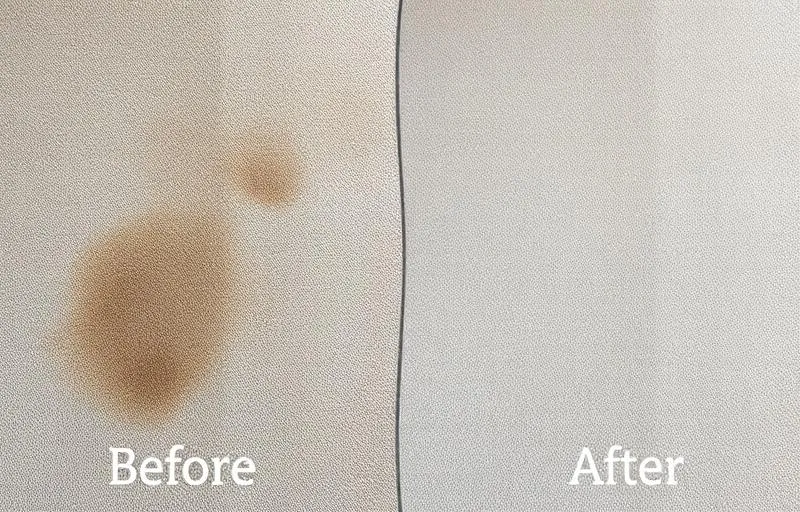
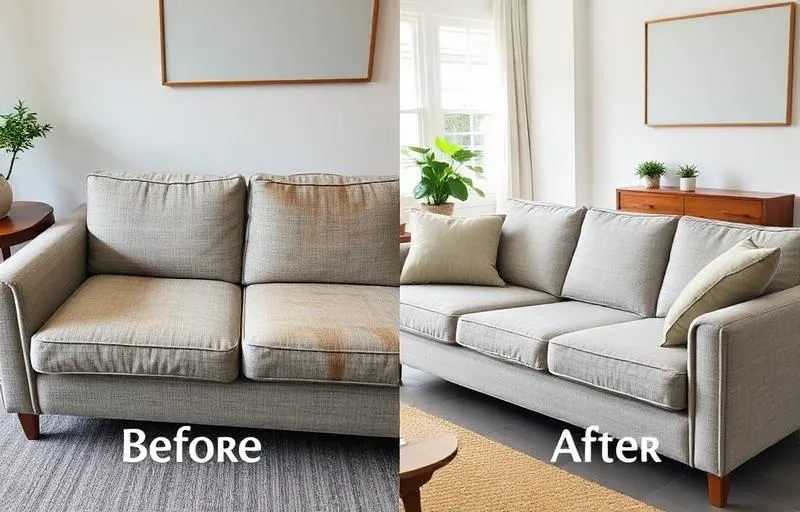
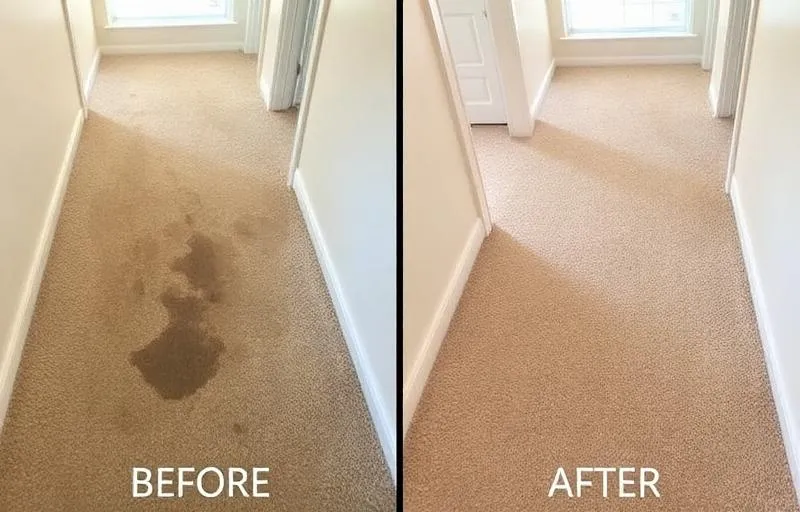
Real Results
See the Difference for Yourself
LVT Floor Cleaning Service Areas — Denver Metro and Surrounding Cities
We provide pH-neutral, wear-layer-safe LVT floor cleaning across 15+ cities in the Denver Metro — same controlled-moisture protocol, same results, wherever you are.
Douglas County
Arapahoe & Jefferson Counties
Denver & North Metro
FAQs
Frequently Asked Questions — LVT Floor Cleaning
Can I use a steam mop on LVT flooring?
No. Steam mops apply high-temperature vapor and moisture that penetrate LVT seams and the wear layer edge. Heat causes the vinyl core to expand and contract — repeated steam cleaning results in seam separation, plank warping, and backing delamination. Steam cleaning voids most LVT manufacturer warranties. Use a damp microfiber mop with pH-neutral cleaner only.
Why does my LVT look dull after mopping?
Dullness after mopping is caused by one of two things — cleaning product residue left on the wear layer as the solution dries, or hard water mineral deposits from the mop water itself. Both build progressively with each mopping cycle. Professional LVT cleaning removes the accumulated residue and mineral layer, restoring the wear layer to its original clarity. Switching to a pH-neutral LVT-specific cleaner at correct dilution and wringing the mop nearly dry before each pass prevents rapid re-buildup after professional cleaning.
What is the best cleaner for LVT floors?
pH-neutral cleaner — pH 7 — specifically formulated for luxury vinyl tile or resilient flooring. The key attribute is pH neutrality. Many products marketed as floor cleaners are alkaline — pH 8 to 10 — and damage LVT wear layers with repeated use. Check the product pH before applying to LVT. Avoid vinegar, citrus cleaners, and multipurpose household cleaners not specifically rated for vinyl flooring.
Can professional cleaning restore LVT that looks dull and hazy?
If the haze is caused by cleaning product residue or hard water mineral buildup — yes, professional cleaning restores clarity. If the haze is caused by chemical degradation of the wear layer from repeated alkaline or acidic chemistry application — the wear layer surface is permanently altered and cleaning cannot reverse it. We assess wear layer condition during pre-inspection and advise honestly on expected results before service begins.
How often should LVT be professionally cleaned?
Residential LVT in average use — every 12 to 18 months. Kitchen and entryway LVT with high traffic and regular cooking — annually. Commercial LVT in high-traffic environments — every 3 to 6 months. Denver Metro homes with hard water benefit from annual professional cleaning to manage mineral deposit accumulation on the wear layer between routine maintenance cycles.
Do you clean both LVT and LVP flooring?
Yes. LVT (luxury vinyl tile) and LVP (luxury vinyl plank) are the same material in different format — tile versus plank dimensions. The wear layer composition, pH sensitivity, and cleaning protocol are identical. We clean both formats using the same pH-neutral, controlled-moisture method.
Real Cleaning Stories & Carpet Care Tips
Explore real carpet, tile, upholstery, and hardwood cleaning jobs from across Colorado. We share actual stain removal cases, restoration challenges, and professional cleaning insights based on decades of hands-on experience.
Denver Basin Hard Water: Why Carpet Feels Gritty
Learn how Denver Basin hard water affects carpet cleaning, leaves mineral residue, and why softened water helps carpets feel cleaner and softer. ...more
Castle Pines
August 17, 2026•6 min read
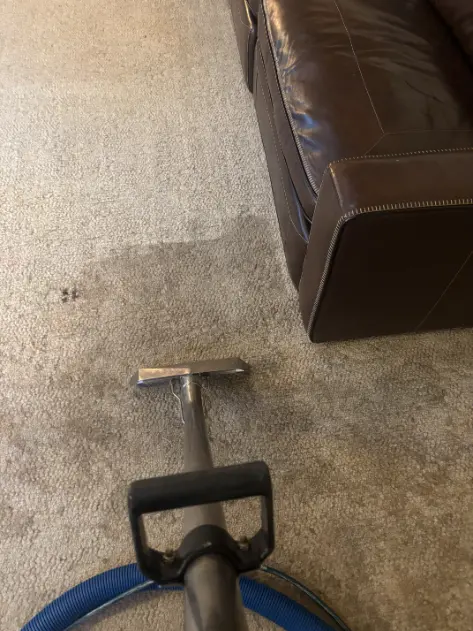
Who Actually Does Emergency Carpet Cleaning in Castle Pines? Here's What You Need to Know Before Water Damage Sets In
Get 24/7 emergency carpet cleaning in Castle Pines for water damage. Colorado Choice provides fast extraction, drying, sanitizing, and padding replacement. ...more
Castle Pines ,Emergency Cleaning
August 14, 2026•4 min read
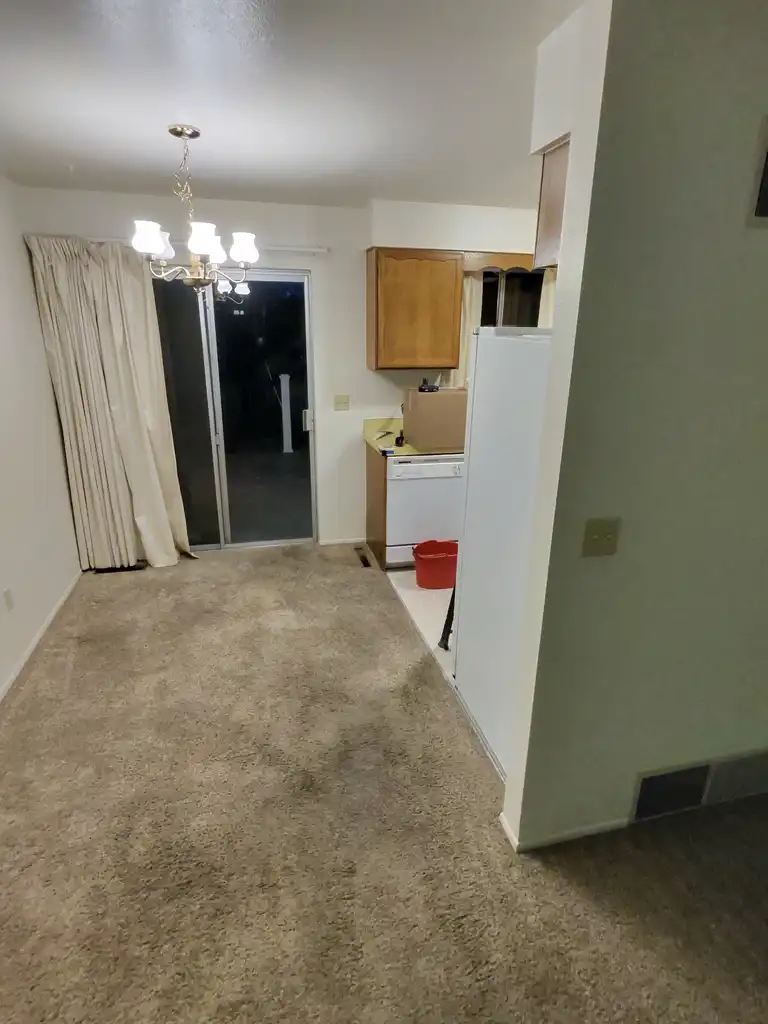
LVP Floor Cleaning Castle Pines | Remove Murphy's Oil Soap Residue
See how professional LVP cleaning removed Murphy's Oil Soap residue from 1,500 sq ft of luxury vinyl plank in Castle Pines using a Bona PowerScrubber. ...more
Castle Pines ,LVP Floor Cleaning
July 09, 2026•4 min read
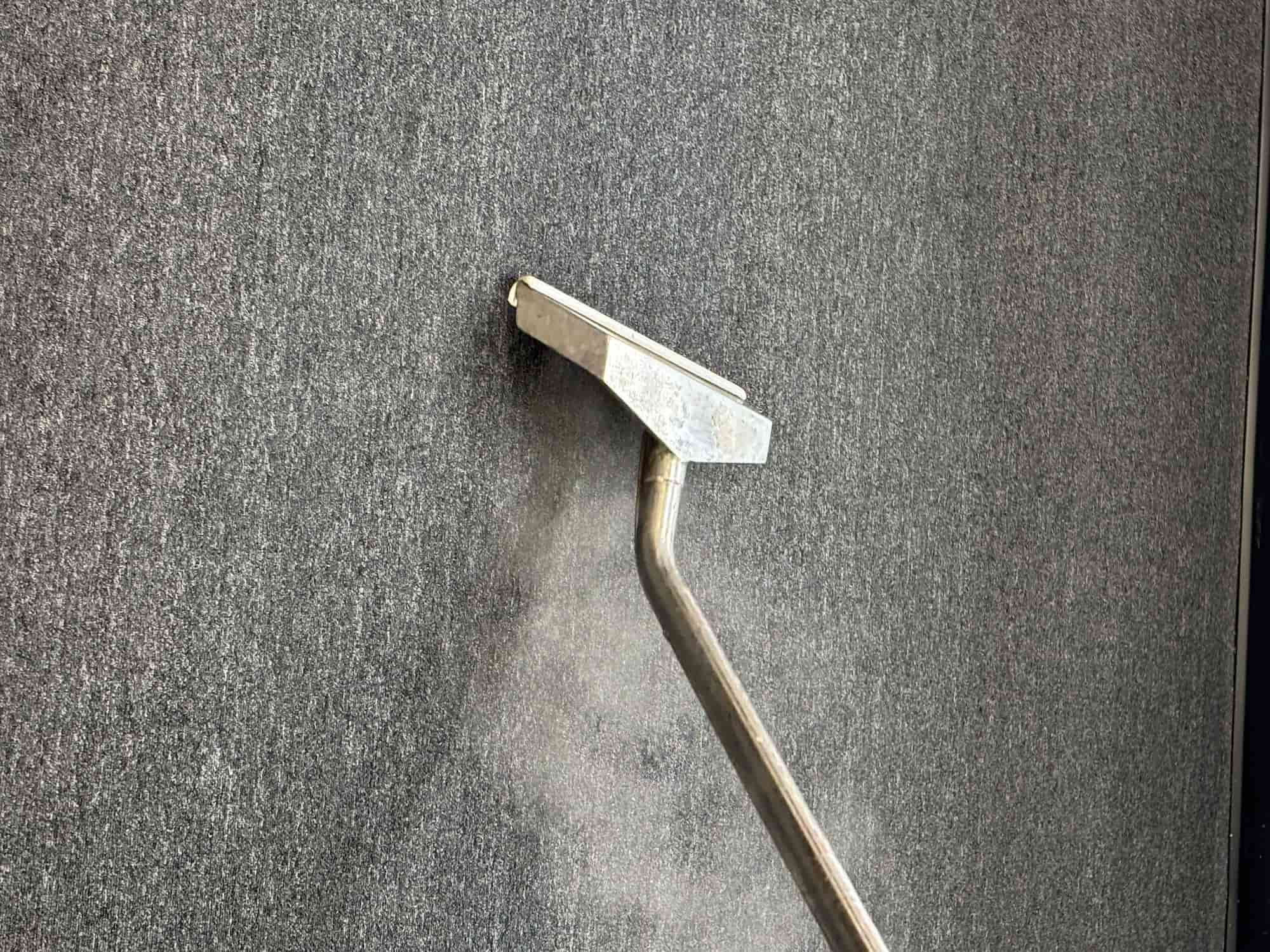
Professional LVT Floor Cleaning Across the Denver Metro — Free Quote, Wear-Layer-Safe Method
If your LVT looks dull, has a film that mopping does not clear, or has accumulated hard water haze from Denver Metro hard water — professional pH-neutral cleaning is what restores it without damaging the wear layer that everything else depends on. Controlled moisture. No steam. No alkaline chemistry. 23 years serving the Denver Metro.
Call us at (720) 730-8055 or use the online form for a free, upfront quote. We will confirm your service area, scope, and pricing in one call.
We'll text you back within minutes. No spam, ever.
IICRC-certified carpet, tile & upholstery cleaning — Castle Rock, CO and the Denver Metro
Services
Location
