🔥 Limited Time Online Only Special — 3 Rooms + Hallway $119 | Book This Week → Claim Offer

Professional Pressure Washing — Denver Metro
Driveways, patios, sidewalks, siding, and exterior concrete accumulate embedded dirt, algae, mold, road chemicals, and hard water deposits that routine rinsing cannot remove. Colorado Choice Carpet Cleaning provides professional pressure washing across the Denver Metro using commercial-grade hot water equipment — removing contaminants at the depth where they actually live, without damaging the surfaces underneath.
✅ Commercial-Grade Hot Water Equipment
🔬 Surface-Matched Pressure & Chemistry
🌱 Landscape & Pet Safe 🏠 Residential & Commercial
📍 Denver Metro & Surrounding Cities
Fully certified for carpet, tile & upholstery

Trusted, vetted, and held to the highest standards.

Complete satisfaction or we come back free

5-Star Rated on Google

Business Rate Award Winner 2026
Approved By 300+ Of Denver Metro Customers ✅
What Builds Up on Denver Metro Exterior Surfaces — And Why It Matters
Algae and mold — thrive in shaded, moist exterior conditions on concrete, brick, and siding. Algae produces a green-black film that makes surfaces look aged and creates slip hazards. Mold penetrates porous concrete and masonry at depth — surface rinsing does not eliminate it.
Hard water mineral deposits — Denver Metro water classified hard to very hard deposits calcium and magnesium on exterior surfaces with every rain and irrigation contact. Mineral buildup appears as white or gray haze on concrete, brick, and pavers that pressure washing dissolves and removes.
Front Range red clay soil — iron oxide compounds in red clay adhere aggressively to concrete and masonry. Standard garden hose rinsing does not break the bond. Hot water pressure washing at appropriate PSI removes embedded red clay without surface damage.
Road chemicals — magnesium chloride and calcium chloride applied to Denver Metro roads from October through April are tracked onto driveways and sidewalks as crystalline residue that corrodes concrete and accelerates surface deterioration. Professional pressure washing removes road chemical accumulation before it causes long-term damage.
Oil and grease stains — vehicle oil and fluid drips bond to concrete. Alkaline degreasing pre-treatment combined with hot water pressure washing emulsifies and removes oil stains that cold water pressure washing alone cannot lift.
Efflorescence — soluble salt migration to the surface of concrete and masonry. Appears as white powder or crystalline deposits. Requires controlled acid treatment on compatible surfaces before pressure washing.
Surfaces We Pressure Wash
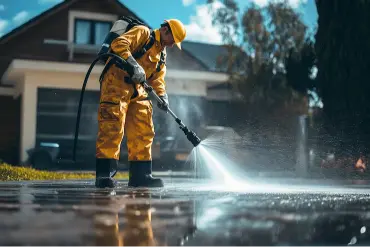
Concrete driveways and garage floors — the highest-volume pressure washing surface. Accumulates vehicle oil, road chemicals, red clay, algae, and hard water deposits. Pressure range 2,000 to 3,500 PSI depending on concrete age and condition. Hot water significantly more effective than cold for oil and grease removal.
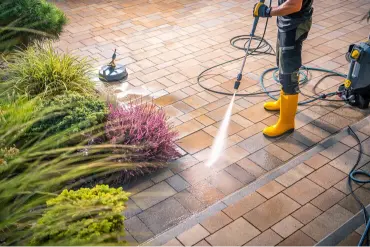
Patios and outdoor living areas — concrete, pavers, and natural stone accumulate algae, mold, organic staining, and hard water haze. Pressure matched to surface type — natural stone and pavers require lower pressure than poured concrete to avoid etching or joint sand displacement.
Sidewalks and walkways — foot traffic, irrigation overspray, and organic debris create slip-hazard algae and embedded soil. Regular professional cleaning maintains safe walking surfaces and curb appeal.
Siding — vinyl, composite, and wood siding accumulate algae, mold, mildew, and oxidation film. Soft washing — lower pressure, higher dwell pre-treatment — is appropriate for siding to prevent surface damage. We assess siding material before selecting pressure and method.
Brick and masonry — porous materials that absorb algae, mold, and mineral deposits. Requires appropriate pre-treatment and controlled pressure to clean without damaging mortar joints.
Decks and fencing — wood and composite decking accumulates mold, algae, and UV-grayed surface oxidation. Lower pressure with wood-safe pre-treatment chemistry.
Retaining walls — concrete block and natural stone retaining walls accumulate algae, mineral deposits, and efflorescence from moisture movement through the wall material.
Hot Water vs Cold Water Pressure Washing — Why Equipment Matters
Commercial hot water pressure washing delivers heated water at 180 to 200°F combined with professional-grade pre-treatment chemistry at 2,000 to 4,000 PSI depending on surface type. Hot water breaks the molecular bond between oil and concrete, kills algae and mold at the growth level, and dissolves hard water mineral deposits that cold water cannot affect.
Hot water pressure washing cleans inside the surface.
Consumer pressure washers and rental equipment use cold water at 1,500 to 2,000 PSI. Cold water at pressure removes loose surface debris but cannot emulsify oil, break down biological growth at the root level, or dissolve mineral deposits effectively.
Cold water pressure washing cleans the surface.
Soft washing — for surfaces where high-pressure water would cause damage (siding, wood, older masonry) — uses lower pressure combined with pre-treatment chemistry that does the cleaning work before rinsing. We select pressure and method based on surface type and contamination level, not a one-size approach.
Our Pressure Washing Process — What Happens on Every Job
Pre-Inspection and Surface Assessment
We assess surface type, material age and condition, contamination type, and any areas requiring specialty treatment. Surfaces with existing cracks, damaged mortar, or compromised sealer are noted — high-pressure cleaning on compromised surfaces can accelerate existing damage. We advise on any surface condition concerns before beginning.
Pre-Treatment Application
Pre-treatment chemistry applied to the surface and allowed to dwell before pressure washing begins. Alkaline degreaser for oil and grease. Algaecide for biological growth. Mineral-targeting chemistry for hard water deposits and efflorescence. Pre-treatment dwell — 5 to 15 minutes depending on contamination — does the chemical cleaning work before pressure washing provides the physical removal.
Pressure Washing
Hot water at 180 to 200°F delivered at pressure matched to surface type — 1,500 to 2,000 PSI for siding and wood, 2,500 to 3,500 PSI for concrete and masonry, up to 4,000 PSI for heavy commercial contamination. Working in overlapping passes for complete coverage. High-traffic and heavily contaminated areas receive additional passes.
Rinse and Neutralization
Clean water rinse removes pre-treatment chemistry residue and dislodged contamination. Where acid-based pre-treatment was used, a neutralizing rinse brings the surface to neutral pH before drying.
Post-Service Inspection
Cleaned surface inspected for remaining contamination requiring targeted spot treatment. Isolated stains or growth in recessed areas receive additional treatment. Results reviewed with the customer before we leave.
Why Denver Metro Exterior Surfaces Need Regular Professional Cleaning
High altitude UV exposure — Colorado receives some of the highest UV radiation in the continental US. UV accelerates surface oxidation on concrete, siding, and wood — creating a rougher, more porous texture that traps dirt and biological growth more readily.
Freeze-thaw cycling — Denver Metro temperatures cross the freezing point repeatedly through fall, winter, and spring. Water trapped in surface cracks expands when frozen — progressively enlarging voids that trap additional contamination. Regular pressure washing removes debris and biological growth before freeze-thaw cycling worsens them.
Red clay soil — Front Range iron oxide clay is more adhesive than standard topsoil and tracks onto exterior surfaces from landscaping, foot traffic, and vehicles. It bonds aggressively to concrete and masonry and requires hot water pressure washing to fully remove.
Road chemicals — the Denver Metro's winter road treatment program deposits magnesium chloride and calcium chloride on driveways and entryways throughout the winter season. These compounds are corrosive to concrete surfaces and require professional pressure washing for complete removal.
Hard water — Denver Metro water hardness classified hard to very hard accelerates mineral deposit formation on all exterior surfaces — irrigation systems, rain runoff, and outdoor cleaning all deposit calcium and magnesium that build as white haze over time.
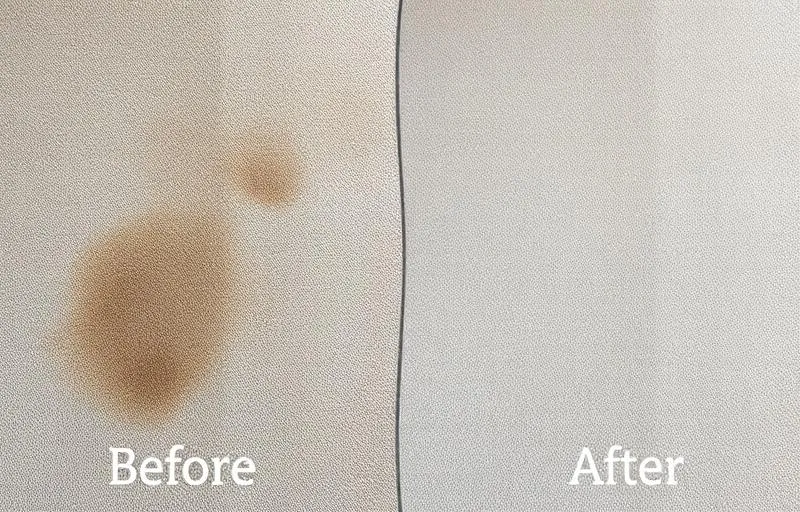
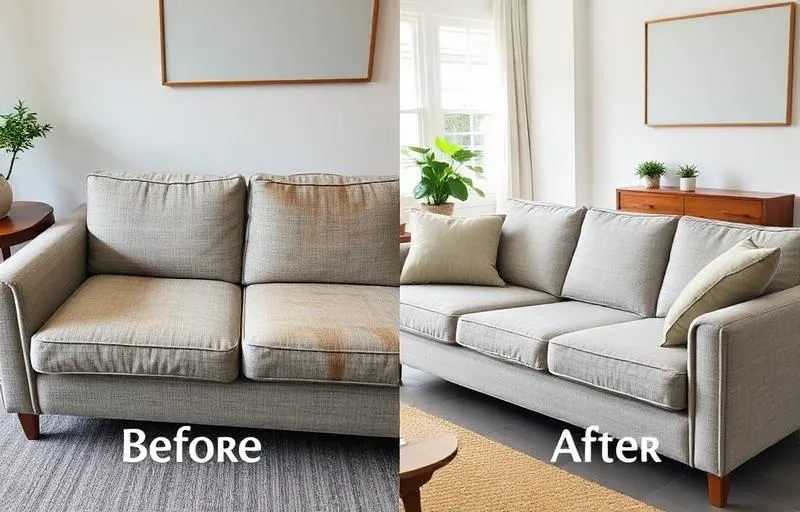
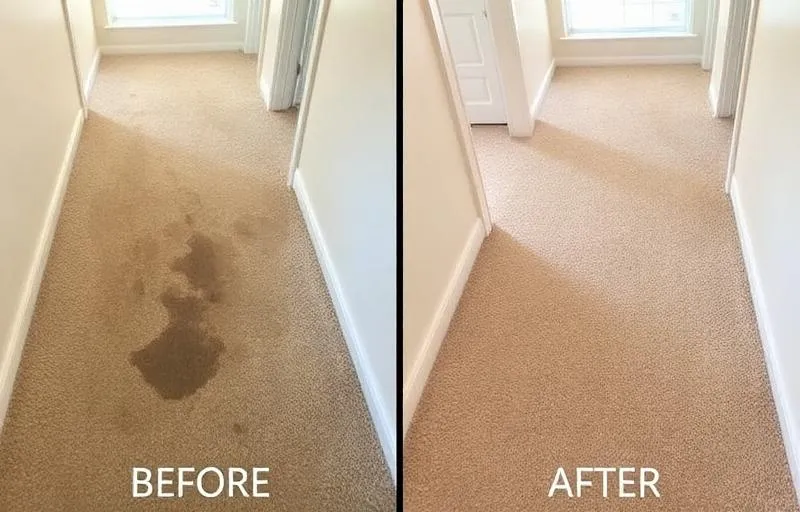
Real Results
See the Difference for Yourself
Pressure Washing Service Areas — Denver Metro and Surrounding Cities
We provide commercial-grade pressure washing across 15+ cities in the Denver Metro — hot water equipment, surface-matched pressure, and pre-treatment chemistry wherever you are.
Frequently Asked Questions — Pressure Washing Denver Metro
How much does pressure washing cost in the Denver Metro?
Residential driveway cleaning typically ranges from $150 to $350 depending on size and contamination level. Patios and sidewalks from $100 to $250. Full exterior house washing from $300 to $600 depending on square footage and siding type. Commercial surfaces priced per square foot with volume pricing for ongoing contracts. Call (720) 730-8055 for a free quote.
Can pressure washing damage concrete or siding?
Incorrect pressure or technique can damage surfaces. Our process matches pressure to surface type — siding and wood receive significantly lower pressure than concrete. We assess surface condition before starting and advise if any existing damage would be worsened. Soft washing is used for surfaces where high pressure would cause harm.
Will pressure washing remove oil stains from my driveway?
Yes — with hot water and alkaline degreaser pre-treatment. Cold water pressure washing alone cannot emulsify oil stains. Our hot water equipment at 180 to 200°F combined with alkaline degreaser applied before washing breaks the oil-concrete bond. Old set-in stains respond less completely than fresh stains but show significant improvement in most cases.
How often should my driveway be professionally pressure washed?
Annually is the standard recommendation for Denver Metro driveways — addressing a full year of red clay accumulation, road chemical deposits, and hard water mineral buildup from irrigation season. High-traffic driveways and commercial areas benefit from twice-yearly cleaning. Spring cleaning after winter road treatment removes corrosive chemical residue before it causes long-term surface damage.
Do you clean roofs?
No. Our pressure washing services cover ground-level and accessible exterior surfaces: driveways, patios, sidewalks, siding, decks, fencing, retaining walls, and exterior masonry. Roof cleaning requires specialized equipment and safety protocols outside our service scope.
Is pressure washing safe for my landscaping and pets?
Yes. We pre-wet surrounding landscaping before applying any pre-treatment chemistry and rinse all chemistry from plant-adjacent areas before it contacts roots or foliage. Pets and children should stay clear during service — once surfaces are dry, typically 30 to 60 minutes after completion, all treated areas are safe.
Book Your Pressure Washing Appointment — Denver Metro
23 years of IICRC-certified carpet cleaning experience in Castle Rock, Highlands Ranch, Littleton, and the Denver Metro. Low-residue hot water extraction that removes up to 95% of soil and bacteria. Transparent pricing with no door-step add-ons. Same-day and emergency availability.
Call us at (720) 730-8055 or use the online form for a free, upfront quote. We will confirm your service area, scope, and pricing in one call.
We'll text you back within minutes. No spam, ever.
IICRC-certified carpet, tile & upholstery cleaning — Castle Rock, CO and the Denver Metro
Services
Location
