Best Time of Year to Clean Carpet in Castle Rock, CO
Best Time of Year to Clean Carpet in Castle Rock, CO
Spring is the best time to clean carpet in Castle Rock — and if you have a manufacturer or retailer warranty on your carpet, it may not be a choice. It is a requirement.
On a warm May morning in Founders Village, a homeowner called Colorado Choice Carpet Cleaning with one question before she even booked:"Do you use truckmount steam?"She had a warranty through Empire Today. Her polyester-nylon blend carpet had to be cleaned annually by a truckmount hot water extraction system or the warranty would be void. We said yes. She booked.
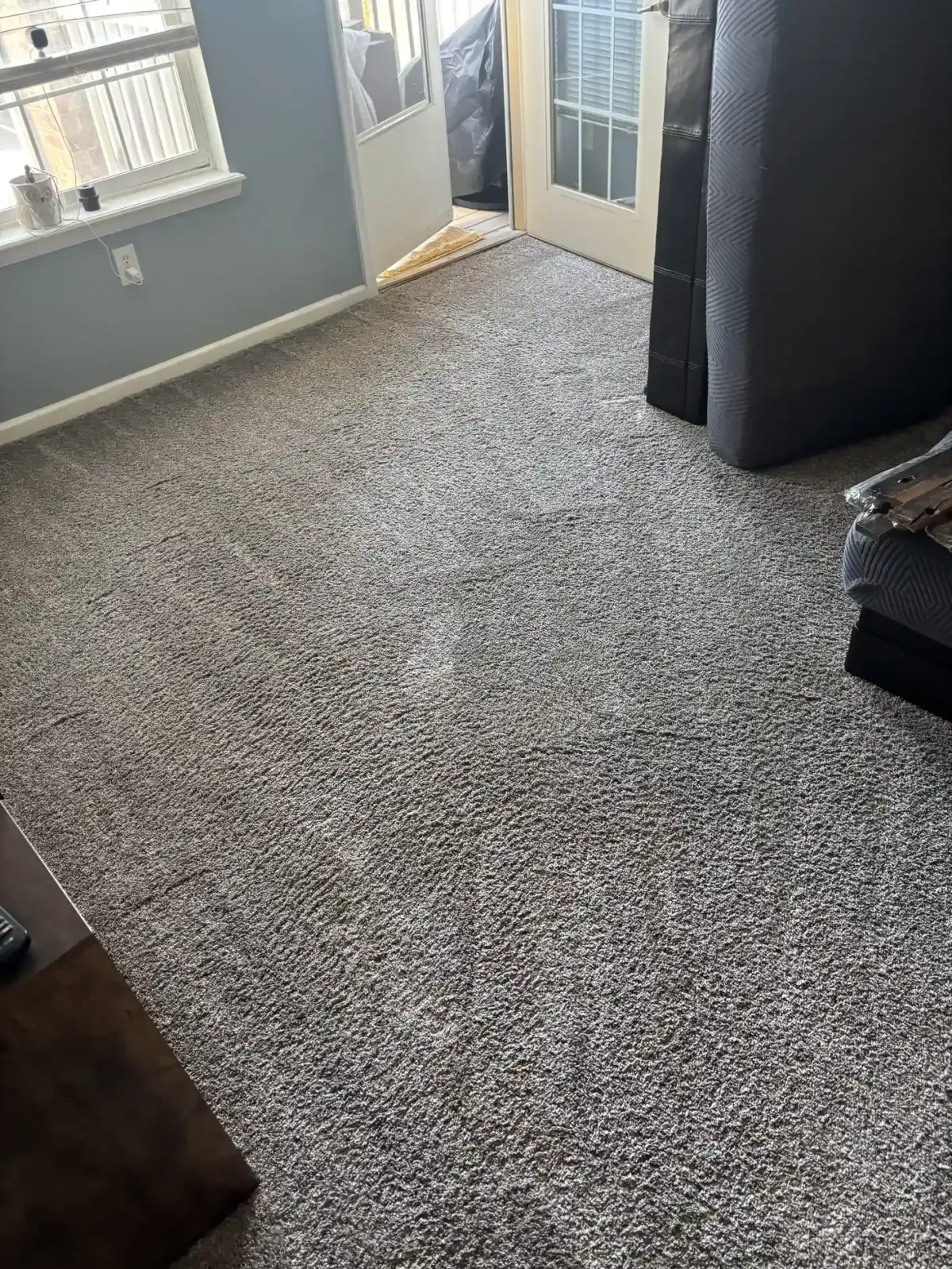
What we found when we arrived told the whole story of Castle Rock carpet in spring.
One Year Old and Already This Dirty — Here Is Why
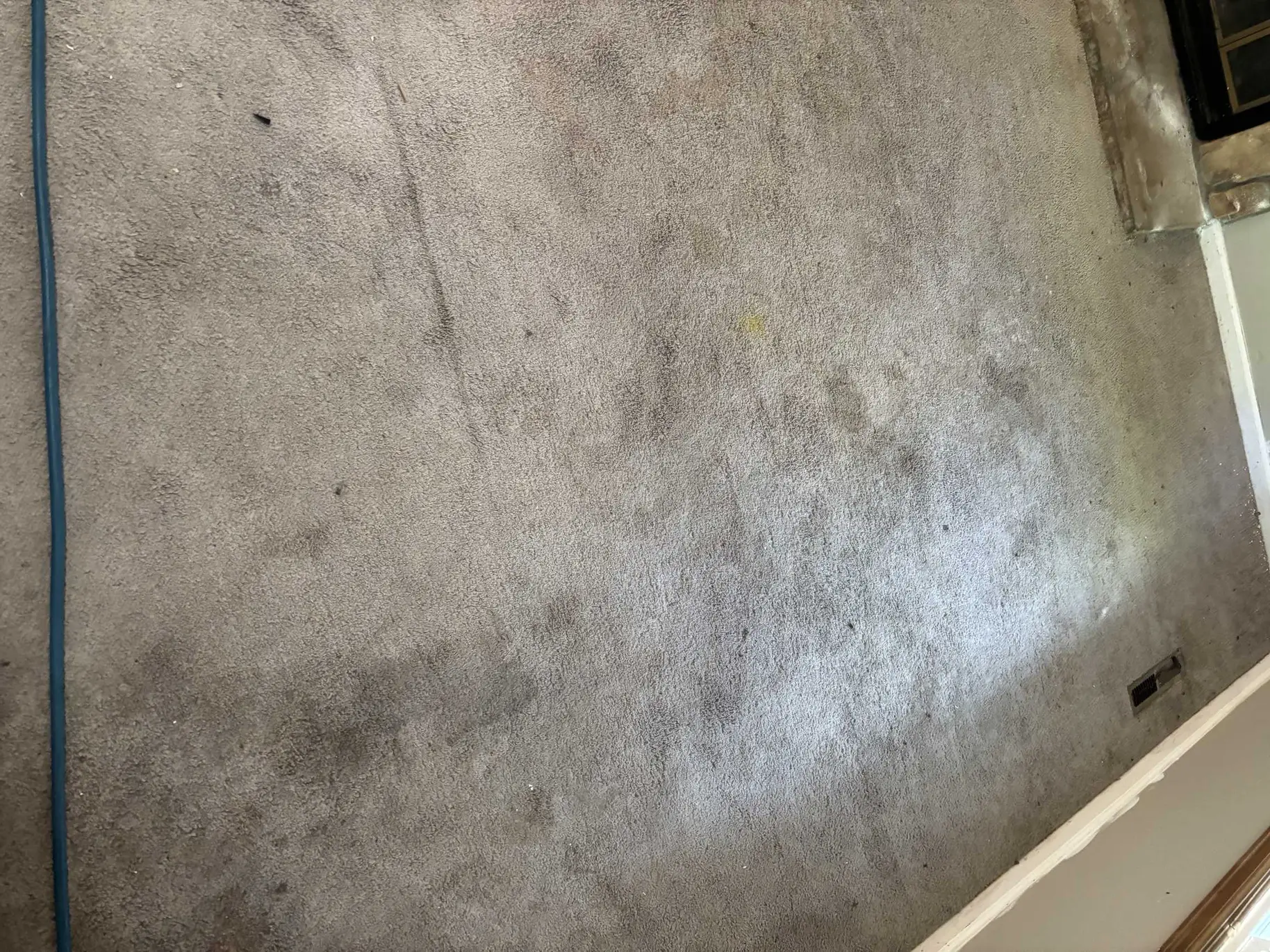
The carpet was one year old. Installed in a 2003 Founders Village home — a well-kept neighborhood on the north end of Castle Rock — it covered nearly 3,000 square feet of living space. It was a polyester-nylon blend, cut pile, good quality. And it was noticeably dirty.
This surprises homeowners every time. A year-old carpet should not look like this. But in Castle Rock, it often does.
Here is what happens:
Castle Rock sits at 6,224 feet. Higher elevation means lower humidity year-round, which means carpet fibers release soil more slowly than at sea level.
Douglas County soil is high in iron oxide — the red clay that defines the Front Range. It binds to synthetic fiber at a molecular level. Vacuuming removes surface debris but leaves the iron oxide embedded in the fiber structure.
The Denver Basin aquifer supplies Castle Rock with hard to very hard water. Mineral ions from that water interact with carpet fiber over time, attracting fine particulate soil and creating a gritty texture that builds invisibly.
From October through April, Castle Rock roads are treated with magnesium chloride and calcium chloride. Every person who walks in from a parking lot or driveway carries those road treatment chemicals into the carpet. Those chemicals are hygroscopic — they pull moisture from the air and keep carpet fiber damp longer, which accelerates soil bonding.
By spring, a high-traffic Castle Rock carpet has absorbed an entire heating season's worth of this. One year old or not.
Why Spring Is the Right Window in Castle Rock
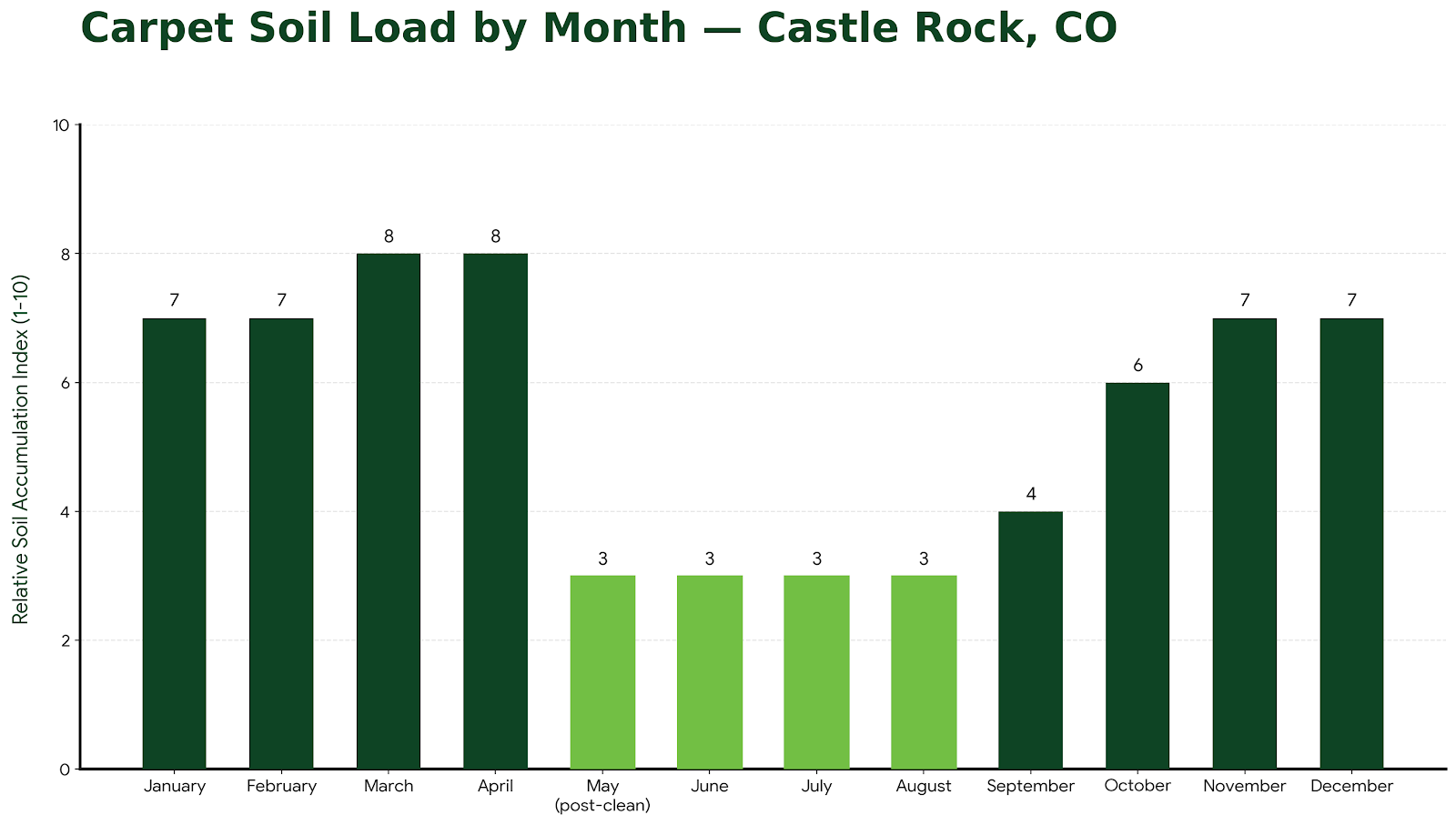
Spring — specifically April through June — is the optimal cleaning window for Castle Rock carpet for several reasons that are specific to this elevation and climate.
Road Treatment Season Ends in April
Magnesium chloride applications in Castle Rock typically wind down by mid-April. Cleaning before that endpoint means you are cleaning into an ongoing source of recontamination. Cleaning in May gives the carpet a clean start with no new road chemicals coming in for five or six months.
Heating Season Is Over — Uric Acid Reactivation Stops
If you have pets, this matters more than anything else. Uric acid crystals from pet urine sit dormant in carpet fiber and padding through summer. When forced-air heating activates in October, rising heat reactivates those crystals and the odor returns. Spring cleaning after heating season ends removes the accumulated uric acid load before summer sets in — the longest odor-free window of the year.
Low Humidity and Elevation Accelerate Drying
Castle Rock's elevation and low relative humidity mean carpet dries significantly faster than at sea level. A 3,000 square foot home cleaned on a dry May morning will have dry carpet in two to four hours. Windows open, ceiling fans running, and the elevation does the rest. No mold germination risk, no extended damp period.
What a Warranty Requires — and Why It Matters
Empire Today's carpet warranty — and many manufacturer warranties from Shaw, Mohawk, and Stainmaster — require professional hot water extraction cleaning at specified intervals, typically annually. The key word in most warranty language is "truckmount." Portable extraction machines do not meet the temperature and pressure specifications that warranty documents reference.
Truckmount systems like the Prochem Apex GTX operate at 200 to 230 degrees Fahrenheit with extraction pressure between 500 and 1,200 PSI depending on fiber type. That combination is what the IICRC S100 standard defines as the benchmark for professional carpet cleaning. It is also what most carpet warranties are written around.
When this Founders Village homeowner asked "do you use truckmount steam?" before she booked, she was asking exactly the right question. She was protecting a warranty, not just cleaning a carpet.
What to Ask Before You Book to Protect Your Warranty
Do you use a truckmount system or a portable unit?
What water temperature does your system reach?
Can you provide documentation of the cleaning for warranty records?
Are you IICRC certified? (Required by many warranty terms)
Colorado Choice is IICRC certified with CCT and UFT credentials. Every job is performed with the Prochem Apex GTX truckmount. We can provide documentation for warranty purposes. See our full Castle Rock carpet cleaning service details.
The Job — Founders Village, Castle Rock
3,000 square feet. Polyester-nylon blend cut pile carpet, one year old, high traffic throughout. The before photos show what a full heating season does to a Castle Rock home even with new carpet.
We ran the full truckmount hot water extraction process — alkaline pre-spray to address the iron oxide clay load in the fiber, full extraction pass, rinse. Castle Rock's elevation and the dry May air did the drying work.
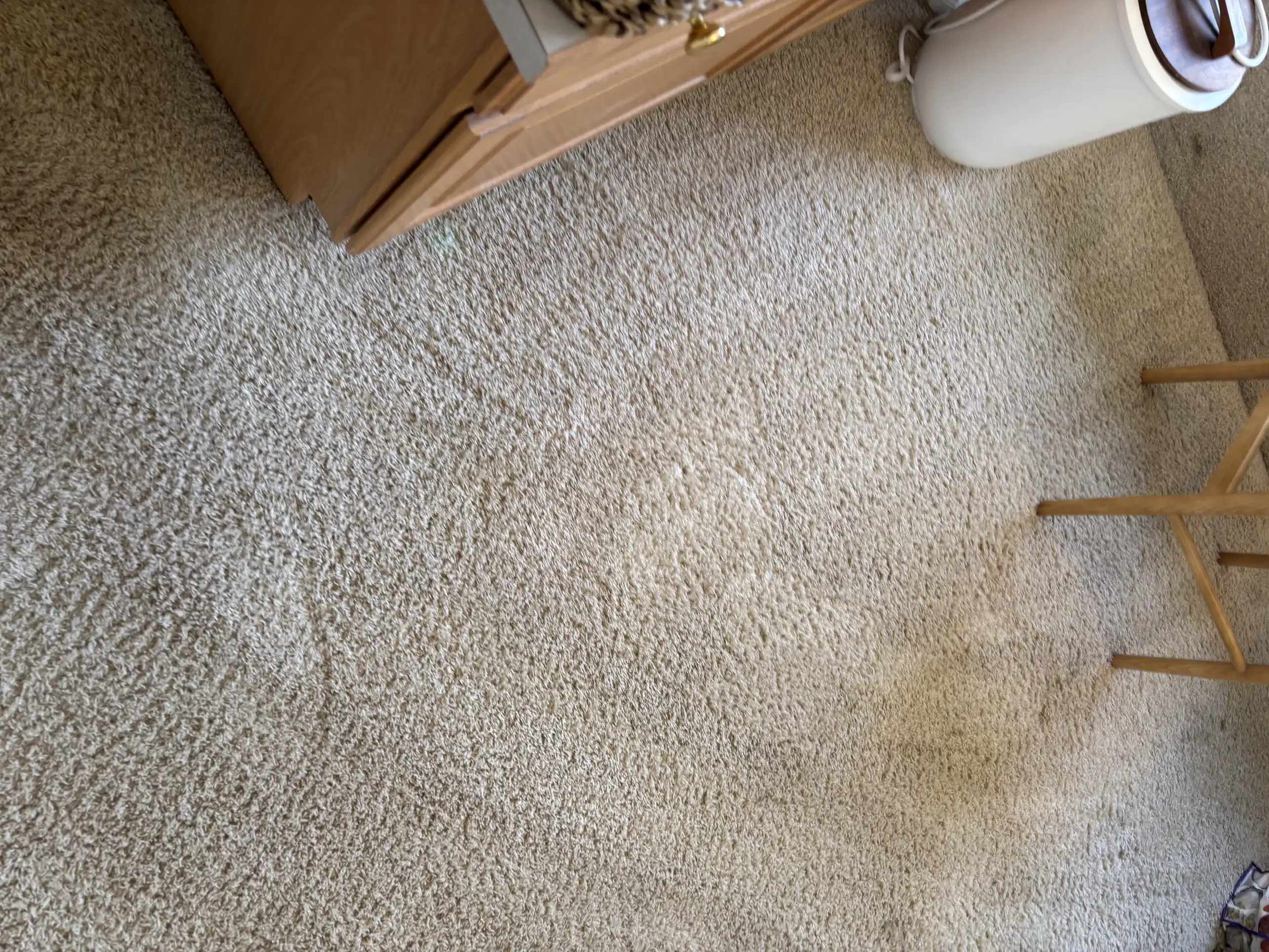
The after photos speak for themselves. The customer had the result she needed for her warranty, and carpet that looked the way one-year-old carpet should look.
House special pricing: 3,000 square feet for $399.
How We Know Founders Village
Founders Village is one of Castle Rock's established neighborhoods — homes built primarily in the late 1990s through mid-2000s, well-maintained, family-oriented. The housing stock in this range runs polyester and nylon blends predominantly, with some older wool in higher-end builds. Soil profile here is consistent Castle Rock: iron oxide red clay from Douglas County geology, Denver Basin hard water mineral accumulation, and full heating season road chemical exposure from October through April.
We have cleaned carpet throughout Founders Village, The Meadows, Plum Creek, Crystal Valley, Terrain, and Cobblestone Ranch. The spring cleaning pattern is consistent across all of them — the homeowners who clean in April and May start summer with the best results and the longest clean interval before the October heating season reactivation begins. For full service area details, see our carpet cleaning in Castle Rock page.
Frequently Asked Questions — Spring Carpet Cleaning in Castle Rock
Does my carpet warranty require professional cleaning every year?
Most manufacturer and retailer warranties — including Empire Today, Shaw, Mohawk, and Stainmaster — require annual professional hot water extraction cleaning to remain valid. Many specify truckmount equipment. Check your warranty documentation for the exact interval and equipment requirement, and ask your cleaner to provide written documentation of the service date and method.
How long does carpet take to dry after cleaning in Castle Rock?
At Castle Rock's elevation of 6,224 feet with low relative humidity, carpet typically dries in two to four hours after truckmount hot water extraction. Ceiling fans, open windows, and dry spring air accelerate drying significantly compared to lower-elevation cities. Avoid walking on carpet in street shoes until fully dry.
Why does one-year-old carpet in Castle Rock look dirty already?
Castle Rock's combination of iron oxide red clay soil, Denver Basin hard water mineral accumulation, and October through April road treatment chemical tracking creates a compounding soil load in carpet fiber that builds faster than in most Front Range cities. High-traffic areas in a Castle Rock home can show visible soiling within six to twelve months even with regular vacuuming, because the iron oxide and mineral deposits bond to synthetic fiber below the surface that vacuuming cannot reach.
Call Colorado Choice Carpet Cleaning: (720) 730-8055
