🔥 Limited Time Online Only Special — 3 Rooms + Hallway $119 | Book This Week → Claim Offer

Professional Hardwood Floor Cleaning in the Denver Metro — Low-Moisture, pH-Neutral, Finish-Safe Deep Cleaning
Hardwood floors are the most moisture-sensitive and finish-sensitive flooring type in common residential use. Too much water — from a wet mop, a steam cleaner, or the wrong cleaning solution — causes swelling, cupping, and finish damage that is expensive to correct and sometimes irreversible. Colorado Choice Carpet Cleaning provides professional hardwood floor cleaning across the Denver Metro using low-moisture, pH-neutral methods that remove embedded grime, restore finish clarity, and protect the wood surface instead of degrading it.
✅ Low-Moisture Method
🧪 pH-Neutral Chemistry
🛡️ Finish-Safe for All Hardwood Types
🐾 Pet Urine Treatment Available
📍 Denver Metro & Surrounding Cities
Fully certified for carpet, tile & upholstery

Trusted, vetted, and held to the highest standards.

Complete satisfaction or we come back free

5-Star Rated on Google

Business Rate Award Winner 2026
Approved By 300+ Of Denver Metro Customers ✅
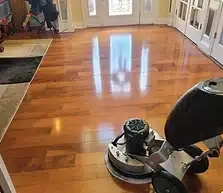
What Professional Hardwood Floor Cleaning Removes
Cleaning Product Residue and Finish Film
The most common contamination on regularly maintained hardwood is residue from the cleaning products used to maintain it. Most consumer hardwood floor cleaners — including products marketed as safe for hardwood — leave a thin film on the polyurethane finish after each application. That film builds with every mopping cycle, progressively dulling the finish sheen and creating a sticky surface layer that attracts and holds soil. Professional hardwood floor cleaning with residue-free pH-neutral chemistry and controlled extraction removes accumulated product film — restoring the finish to its original clarity and sheen without stripping or abrasive action.
Embedded Grime in Finish Texture
Matte and satin hardwood finishes have microscopic surface texture that accumulates fine soil and grime in the finish grain. This embedded grime produces the gray, dingy appearance of aged hardwood that mopping does not correct — because mopping moves surface debris but cannot reach contamination locked into finish texture. Professional cleaning with appropriate agitation and extraction removes embedded grime from finish texture without abrasive mechanical action that would scratch the surface.
Hard Water Mineral Deposits
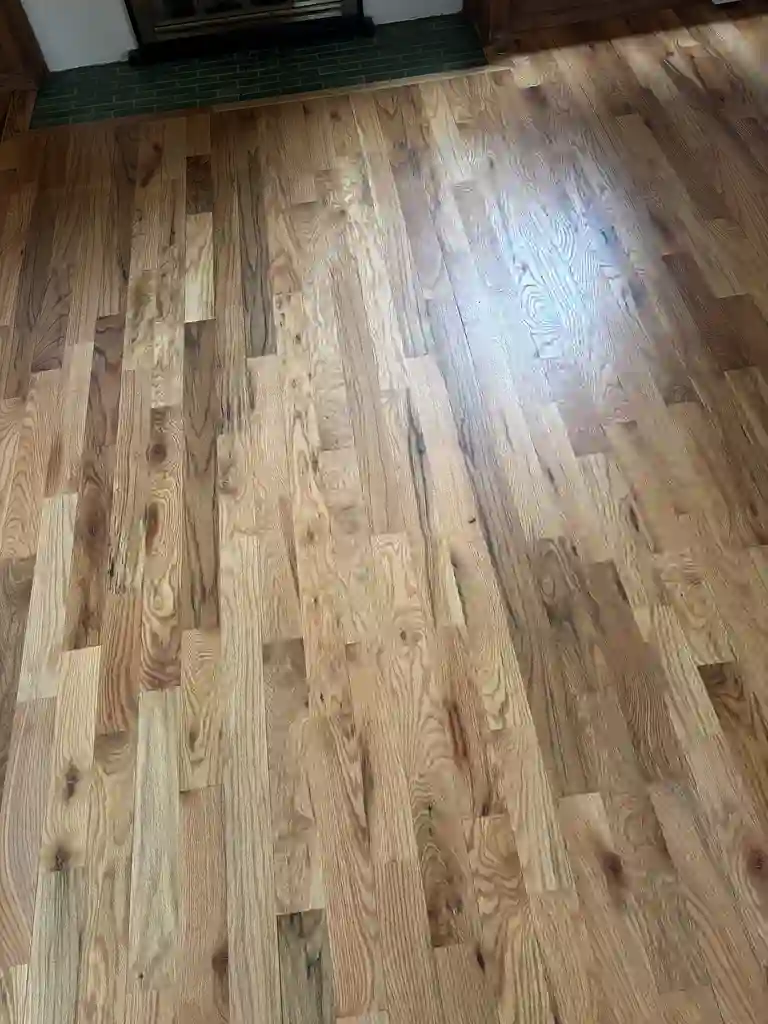
Across the Denver Metro, hard water used in routine mopping deposits calcium and magnesium on the hardwood finish surface as it evaporates — the same mineral deposition dynamic that affects LVT and tile grout. On hardwood, mineral deposits produce a white haze or cloudiness on the finish surface. pH-neutral mineral-targeting chemistry dissolves and removes calcium and magnesium deposits from the finish without the acid chemistry that would damage polyurethane.
Pet Urine Stains and Odor on Hardwood
Pet urine on hardwood is a specific and urgent situation. Urine penetrates polyurethane finish within minutes of contact — particularly at board seams and finish micro-cracks — entering the wood grain where it darkens the wood and deposits uric acid salts. On solid hardwood, urine that reaches the sub-floor creates contamination at the wood-substrate interface requiring sub-floor sealing treatment.
Surface pet urine incidents addressed quickly — before finish penetration — are treated with enzyme chemistry and strict low-moisture extraction. Old or deeply penetrated urine stains that have darkened the wood grain require assessment for finish stripping, wood bleaching, or board replacement in addition to odor treatment. We assess the penetration depth honestly before recommending treatment.
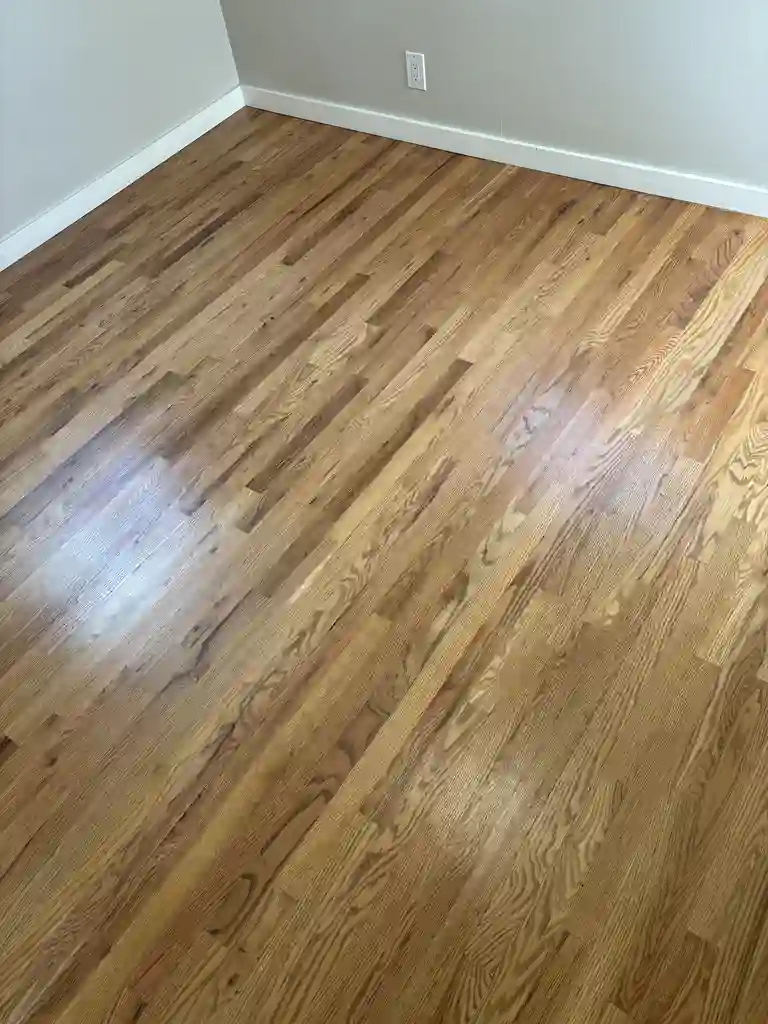
Our Hardwood Floor Cleaning Process — Step by Step
Pre-Inspection: Wood Type, Finish Identification, Condition Assessment
We identify wood species, finish type — polyurethane, wax, oil, or unsealed — and current finish condition before any product is applied. Finish type determines every subsequent chemistry decision. Existing damage — cupping, finish clouding, board lifting, pet stain penetration — is noted and discussed before service begins so you understand what cleaning can and cannot correct on your specific floor.
Dry Soil Removal
Soft-bristle vacuum or dry dust mop removes all abrasive surface particulate before moisture is introduced. Sand, grit, and fine debris dragged across hardwood during wet cleaning scratch the finish surface. Complete dry soil removal before any wet phase is the most important step in preventing cleaning-induced finish damage.
pH-Neutral Pre-Treatment Application
pH-neutral hardwood cleaning solution matched to finish type is applied in controlled low-moisture volume — enough to dissolve surface contamination, insufficient to penetrate the finish or reach the wood substrate. For polyurethane-finished hardwood, pH-neutral film-dissolving chemistry removes product residue buildup. For wax-finished hardwood, wax-compatible dry chemistry only. For oil-finished hardwood, pH-neutral oil-soap compatible formulation.
Application uses a slightly dampened microfiber pad — not a wet mop. Microfiber delivers cleaning chemistry in controlled volume without the moisture excess of conventional mopping.
Low-Moisture Agitation
Non-abrasive microfiber agitation works chemistry into finish texture recesses and breaks contact between embedded grime and the finish surface. No abrasive pads, no stiff brushes — only materials with confirmed non-scratch contact on finished wood surfaces. Agitation direction follows wood grain to prevent cross-grain scratching.
Controlled Extraction and Residue Removal
Cleaning solution and dissolved contamination removed from the hardwood surface using controlled low-moisture extraction — not air-drying. Air-drying cleaning solution on hardwood leaves chemistry and mineral residue from the solution water — the outcome professional cleaning is specifically designed to prevent. Extraction removes moisture from the surface immediately, minimizing total moisture exposure time on the wood and finish.
Inspection and Spot Treatment
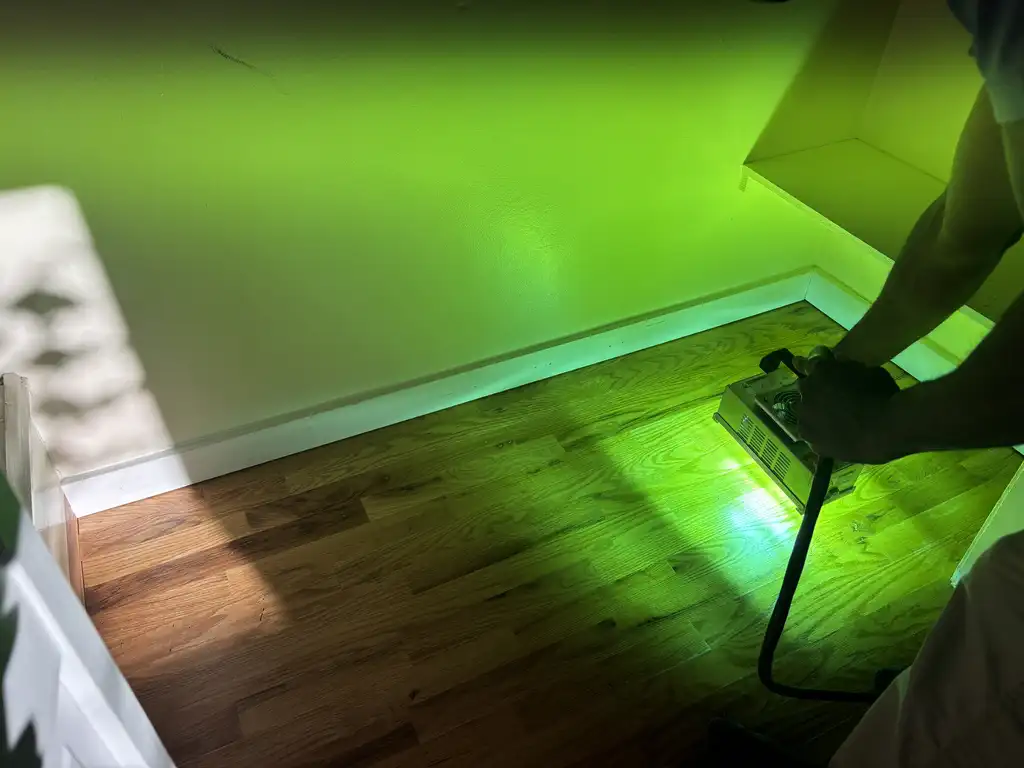
Post-cleaning inspection under raking light — directional light at a low angle that reveals finish condition, residue, scratches, and remaining spots. Isolated remaining stains or mineral concentrations receive targeted spot treatment with chemistry matched to the stain type and finish compatibility. Pet urine penetration is assessed under UV light at this stage if urine odor was present prior to service.
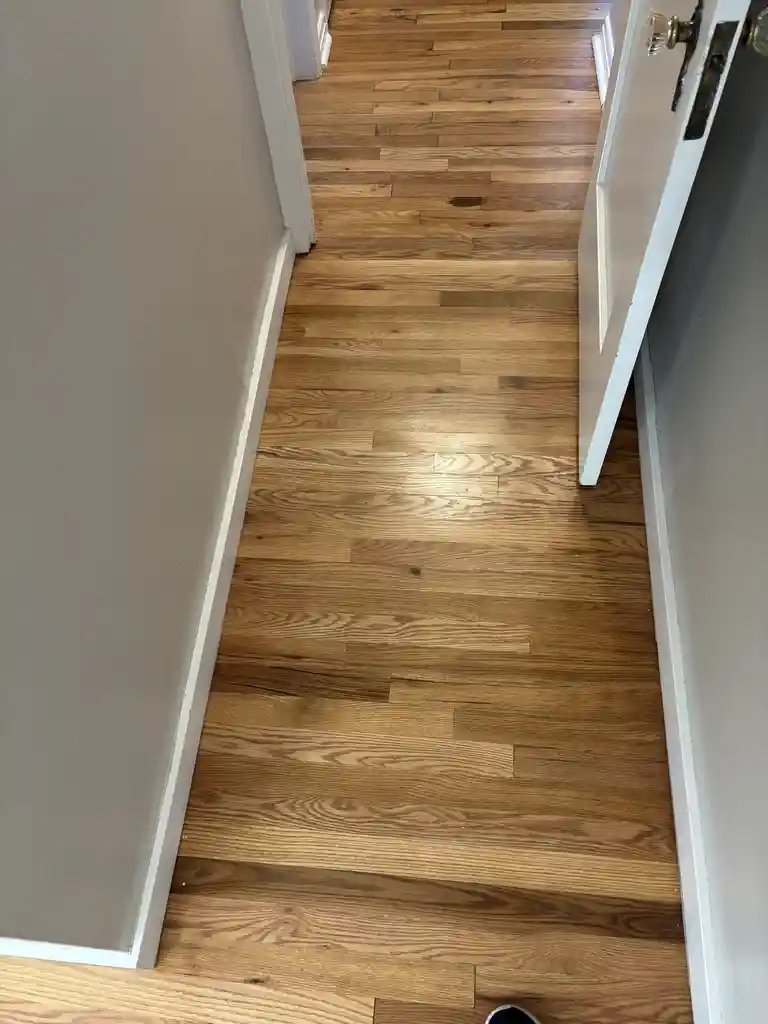
Clean Carpet Starts Here
Hardwood Floor Cleaning in the Denver Metro — Colorado Climate Considerations
Colorado's low humidity — particularly during winter heating season — creates specific hardwood behavior that Denver Metro homeowners experience more acutely than homeowners in humid climates. Dry air causes hardwood to release moisture and contract, opening micro-gaps between boards. These gaps close in summer as humidity rises and boards expand. This seasonal movement cycle is normal for hardwood in Colorado but creates finish stress at board edges over time — micro-cracking at seams that provides entry points for cleaning solution moisture and pet urine.
Forced-air heating through Colorado's long heating season — October through April — accelerates hardwood drying and seasonal contraction. Maintaining indoor relative humidity between 35% and 55% during heating season is the single most effective hardwood protection measure. Professional cleaning timed for spring — after heating season when boards have stabilized — minimizes moisture risk during the cleaning process.
Denver Metro hard water mineral deposition on hardwood finish surfaces is the same mechanism affecting LVT and tile — calcium and magnesium deposits from mop water that build as a white haze on the finish. Professional cleaning with mineral-targeting pH-neutral chemistry removes accumulated mineral film without acid chemistry that would damage the polyurethane.
How to Maintain Hardwood Floors Between Professional Cleanings
Daily and Weekly Maintenance
Dry dust mopping or soft-bristle vacuuming daily in high-traffic areas removes abrasive grit before it scratches the finish under foot traffic. This single routine action has more impact on hardwood finish lifespan than any other maintenance practice.
Weekly damp mopping with a pH-neutral hardwood cleaner at correct dilution — microfiber mop wrung nearly dry, no standing water, no puddling at board edges or seams. Work with the wood grain. Dry any remaining surface moisture immediately with a dry microfiber cloth.
What to Avoid on Hardwood Floors
Steam mops — heat and moisture damage wood grain and finish. Most manufacturer warranties are voided by steam cleaning.
Alkaline or acidic cleaners — pH above 8 degrades polyurethane finish. pH below 6 etches finish surface. Includes vinegar, citrus cleaners, and general-purpose household cleaners.
Oil soaps on polyurethane finish — oil soap is appropriate for oil-finished hardwood only. Applied to polyurethane-finished hardwood it leaves a film that progressively builds and dulls the finish.
Wet mopping — saturated mop heads introduce moisture volume that causes cupping in solid hardwood over time even with products labeled hardwood-safe.
Wax on polyurethane finish — creates buildup that cannot be removed without stripping the finish entirely.
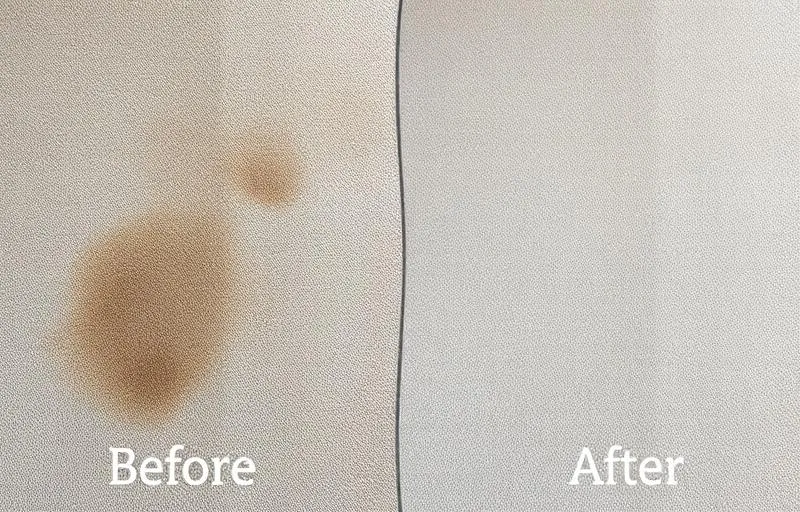
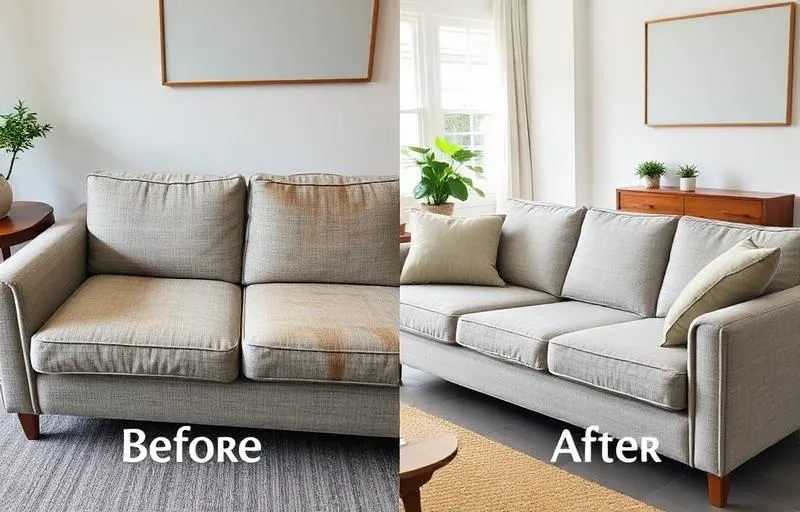
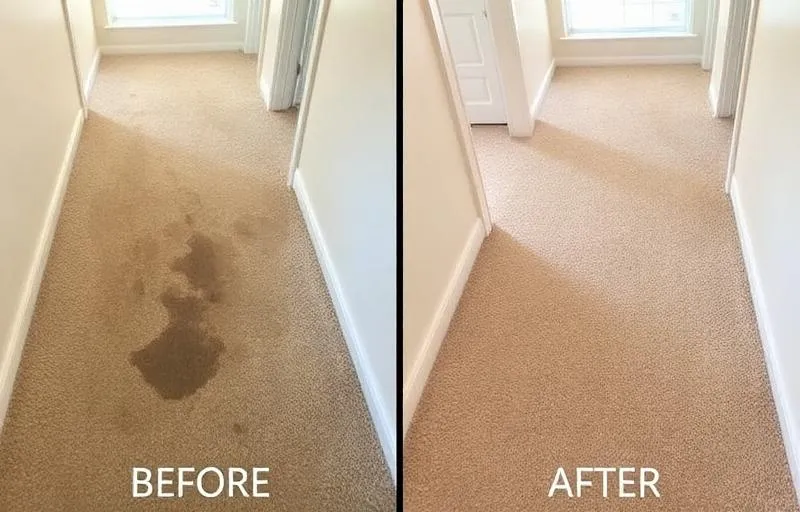
Real Results
See the Difference for Yourself
Hardwood Floor Cleaning Service Areas — Denver Metro and Surrounding Cities
We provide low-moisture, pH-neutral hardwood floor cleaning across 15+ cities in the Denver Metro — finish-identified protocol and controlled moisture method, wherever you are.
Douglas County
Arapahoe & Jefferson Counties
Denver & North Metro
Real Cleaning Stories & Carpet Care Tips
Explore real carpet, tile, upholstery, and hardwood cleaning jobs from across Colorado. We share actual stain removal cases, restoration challenges, and professional cleaning insights based on decades of hands-on experience.
Denver Basin Hard Water: Why Carpet Feels Gritty
Learn how Denver Basin hard water affects carpet cleaning, leaves mineral residue, and why softened water helps carpets feel cleaner and softer. ...more
Castle Pines
August 17, 2026•6 min read
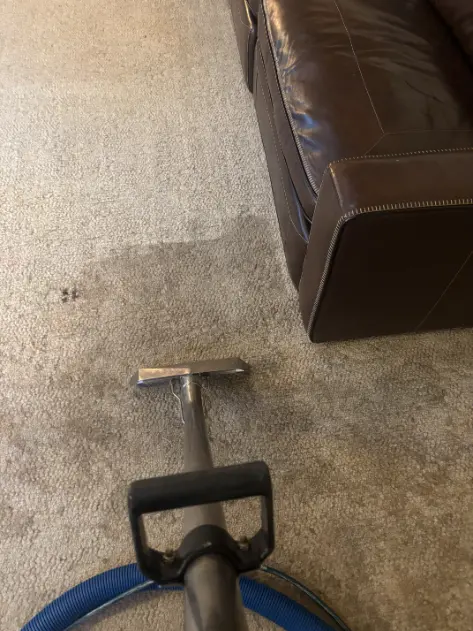
Who Actually Does Emergency Carpet Cleaning in Castle Pines? Here's What You Need to Know Before Water Damage Sets In
Get 24/7 emergency carpet cleaning in Castle Pines for water damage. Colorado Choice provides fast extraction, drying, sanitizing, and padding replacement. ...more
Castle Pines ,Emergency Cleaning
August 14, 2026•4 min read
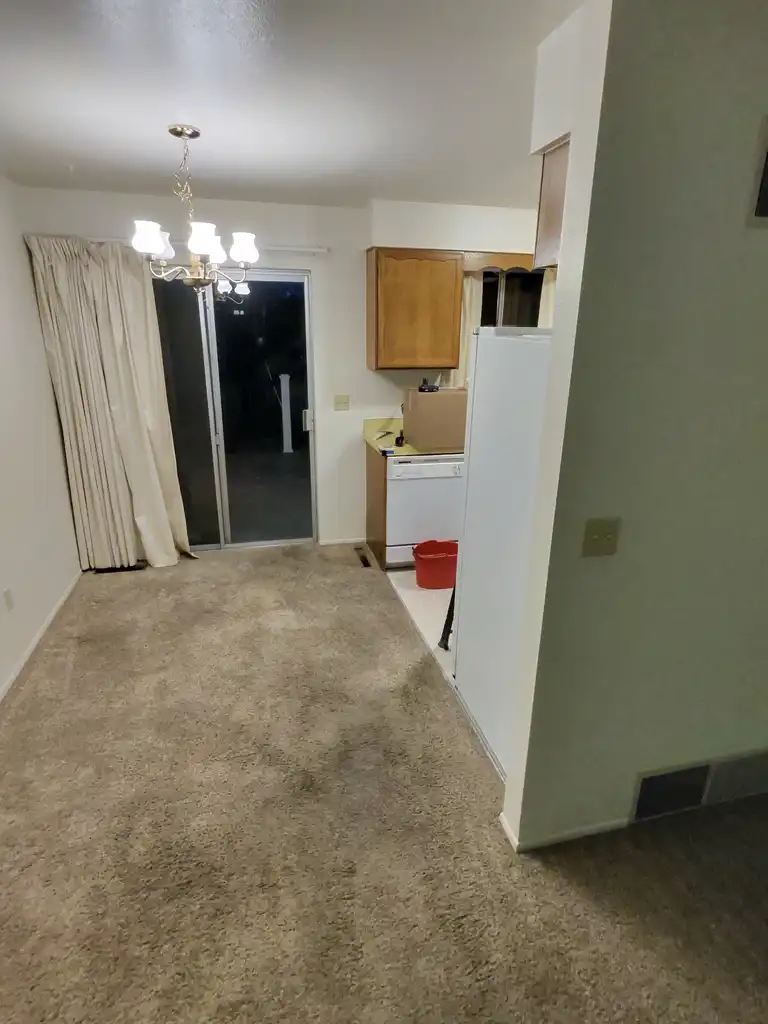
LVP Floor Cleaning Castle Pines | Remove Murphy's Oil Soap Residue
See how professional LVP cleaning removed Murphy's Oil Soap residue from 1,500 sq ft of luxury vinyl plank in Castle Pines using a Bona PowerScrubber. ...more
Castle Pines ,LVP Floor Cleaning
July 09, 2026•4 min read
FAQs
Frequently Asked Questions — Hardwood Floor Cleaning
Can you use a steam cleaner on hardwood floors?
No. Steam cleaners apply high-temperature vapor and condensed moisture that penetrate hardwood finish and enter the wood grain — causing grain raising, cupping, finish delamination, and board warping. Most hardwood floor manufacturers void warranties when steam cleaning is used. The correct method is low-moisture cleaning with pH-neutral chemistry and non-abrasive microfiber application.
What is the best cleaner for hardwood floors?
pH-neutral hardwood floor cleaner — pH 7 — formulated specifically for the finish type on your floor. For polyurethane-finished hardwood, a residue-free pH-neutral solution applied with a nearly dry microfiber mop. For waxed hardwood, wax-compatible chemistry only — no water-based cleaners. The critical attribute is pH neutrality and low-moisture application — not the brand or fragrance.
Can professional cleaning restore dull or hazy hardwood floors?
If dullness is caused by cleaning product residue film or hard water mineral deposits — yes, professional cleaning restores clarity and sheen. If dullness is caused by polyurethane finish degradation from repeated alkaline chemistry, physical scratching, or UV fading — the finish itself is damaged and requires professional refinishing rather than cleaning. We assess finish condition during pre-inspection and advise honestly on which situation applies.
Can you remove pet urine stains from hardwood floors?
Surface pet urine addressed before finish penetration — enzyme treatment with low-moisture extraction removes the uric acid and odor source. Urine that has penetrated the finish and darkened the wood grain has chemically altered the wood — cleaning cannot reverse wood darkening caused by urine oxidation. These situations require assessment for board sanding, wood bleaching, or replacement. We use UV light inspection to map penetration depth and advise on realistic outcomes before treatment begins.
What is the difference between solid and engineered hardwood cleaning?
Both require low-moisture, pH-neutral cleaning — the protocol is identical. The difference is moisture tolerance. Solid hardwood is more sensitive to moisture because it is wood throughout its full thickness. Engineered hardwood has a real wood veneer over a plywood or HDF core — the veneer is moisture-sensitive but the core provides dimensional stability that solid hardwood lacks. Both are damaged by steam cleaning and over-wetting.
How often should hardwood floors be professionally cleaned?
Every 12 to 18 months for average residential use. Homes with pets — annually, and promptly after any urine incidents. Homes with young children — every 12 months due to higher food contact and floor-level activity. Denver Metro homes with hard water benefit from annual professional cleaning to remove mineral deposit accumulation on the finish between routine maintenance cycles.
Professional Hardwood Floor Cleaning Across the Denver Metro — Free Quote, Finish-Safe Method
If your hardwood looks dull, has a film that mopping does not clear, or has hard water haze from Denver Metro tap water — professional low-moisture cleaning restores finish clarity without the moisture damage that steam cleaning and wet mopping cause. pH-neutral chemistry. Non-abrasive microfiber method. Finish-identified protocol for every wood and finish type. 23 years serving the Denver Metro.
Call us at (720) 730-8055 or use the online form for a free, upfront quote. We will confirm your service area, scope, and pricing in one call.
We'll text you back within minutes. No spam, ever.
IICRC-certified carpet, tile & upholstery cleaning — Castle Rock, CO and the Denver Metro
Services
Location
