🔥 Limited Time Online Only Special — 3 Rooms + Hallway $119 | Book This Week → Claim Offer

Professional Tile & Grout Cleaning — Denver Metro
Tile looks clean. Grout does not — because they are different materials with completely different relationships to dirt, moisture, and cleaning chemistry. Tile is glazed and non-porous. Grout is cement-based and porous — it absorbs everything that contacts it. Mopping moves surface debris but deposits dissolved soil into grout pores with every pass. Professional tile and grout cleaning uses high-pressure hot water extraction to penetrate grout porosity and remove contamination at the depth where it actually lives.
Colorado Choice Carpet Cleaning provides IICRC-certified tile and grout cleaning across the Denver Metro with pH-matched chemistry by tile and grout type, high-pressure extraction, and optional grout sealing after every service.
✅ IICRC Certified
🔬 High-Pressure Hot Water Extraction
🧪 pH-Matched Chemistry by Tile Type
🛡️ Grout Sealing Available
📍 Denver Metro & Surrounding Cities
Fully certified for carpet, tile & upholstery

Trusted, vetted, and held to the highest standards.

Complete satisfaction or we come back free

5-Star Rated on Google

Business Rate Award Winner 2026
Approved By 300+ Denver Metro Customers ✅
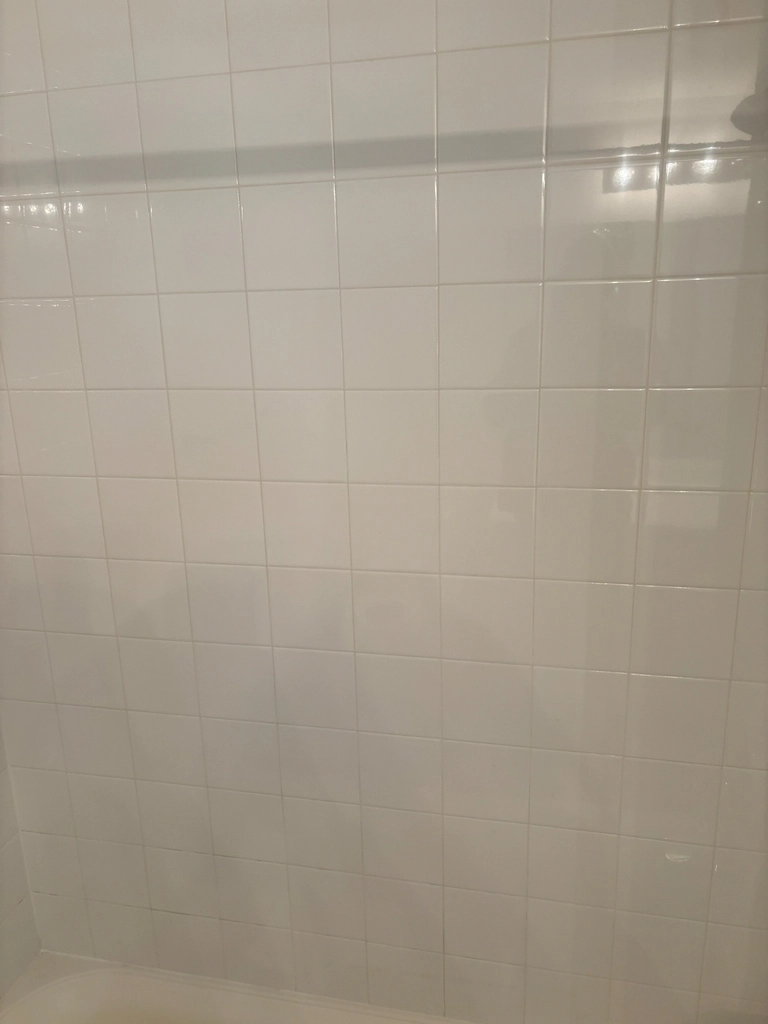
Why Grout Gets Dirty at a Depth Mopping Cannot Reach
Grout Porosity — What Makes Grout Different From Tile
Grout is cement-based with an open-cell pore structure. Unlike glazed tile — which is essentially glass — grout has no protective surface barrier. Every water contact deposits dissolved material into those pores. When water evaporates the dissolved material remains — deposited deeper into the grout matrix with each cleaning cycle. The dark discoloration in aged grout is not surface grime. It is years of accumulated deposits inside the pore structure below what any mop or brush can reach.
Why Mopping Makes Grout Dirtier Over Time
Mopping applies dirty water-detergent solution across the floor surface and pushes mop water — carrying dissolved soil and detergent — into grout pores. When that water evaporates the particles remain inside the grout. Detergent residue left in grout pores is sticky — it binds subsequent soil deposits into a compacted matrix that becomes progressively harder to clean. Regular mopping does not clean grout. It loads grout pores with deposited soil and detergent residue layer by layer over months and years.
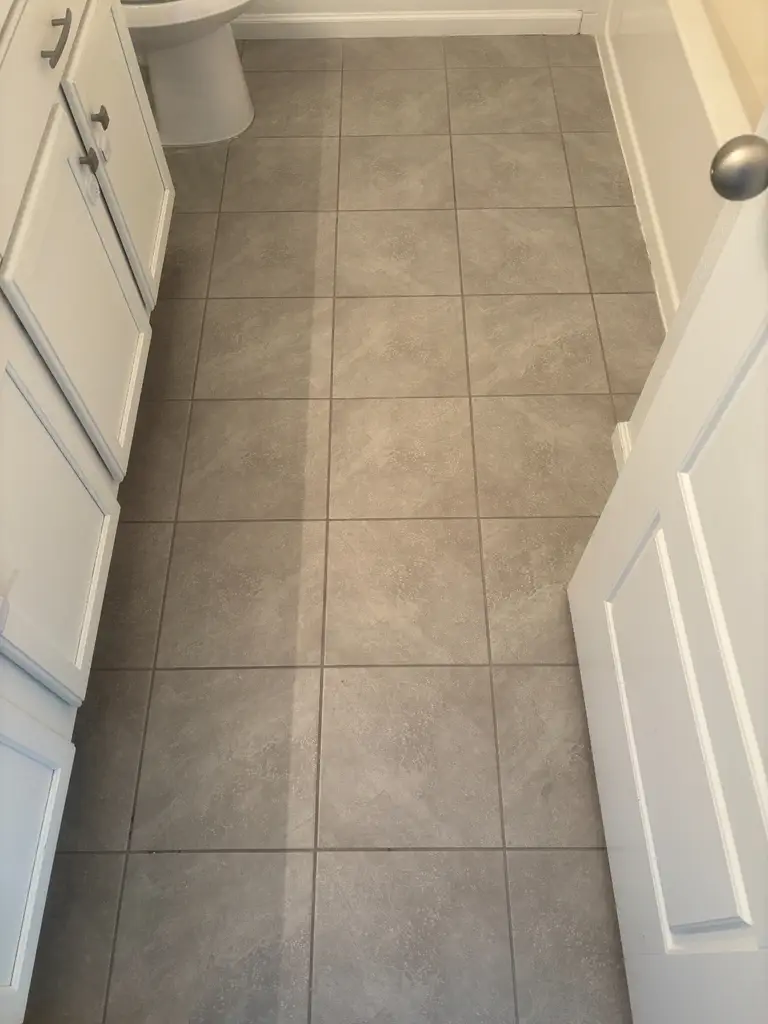
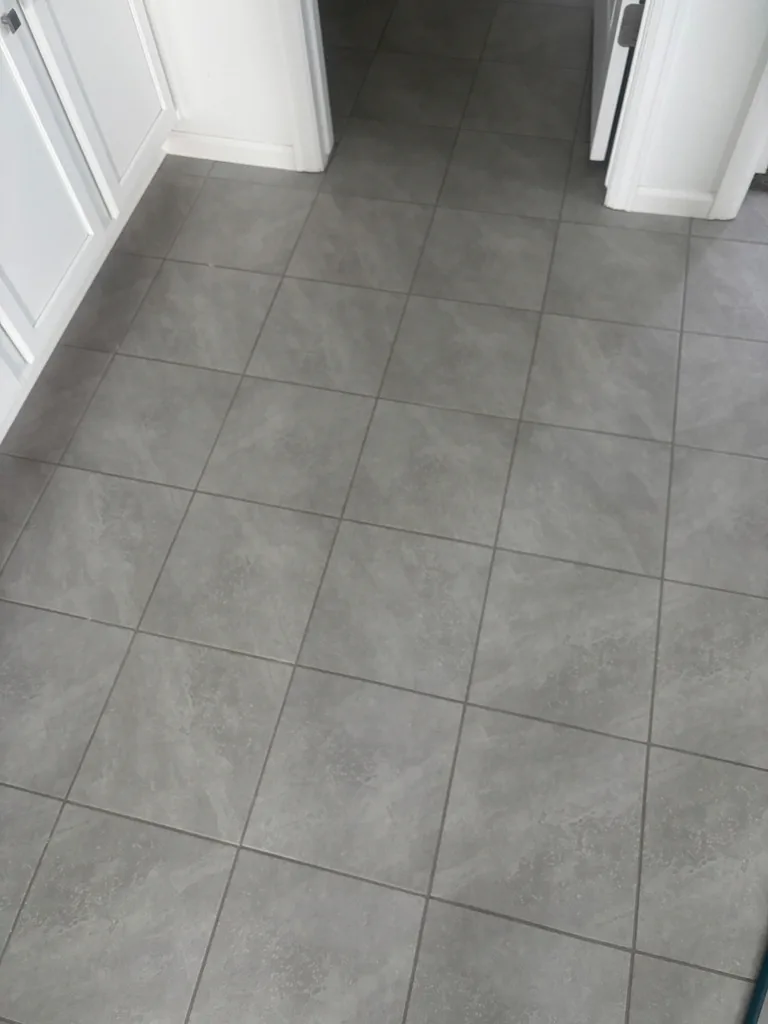
What Lives Inside Dirty Grout
Bacteria — colonize grout pores in bathroom and kitchen environments where warmth, moisture, and organic nutrients from soap, food, and skin cells create ideal growth conditions. Bacterial biofilm — a protective extracellular matrix — shields colonies from surface cleaning agents.
Mold — grout in sustained moisture environments provides a porous, nutrient-rich surface for mold spore germination. Black or dark discoloration in shower grout is typically established mold colony inside the grout matrix — not surface mold. Bleach applied to the surface bleaches the visible color but does not penetrate the pore depth where the colony lives. The mold visually returns within weeks.
Hard water mineral deposits — calcium carbonate and magnesium scale deposited as water evaporates on grout. Progressively fill pore space and contribute to white or gray haze on aged grout. Require acid chemistry to dissolve — alkaline chemistry cannot break down calcium carbonate.
Soap scum — calcium stearate formed when fatty acids in soap react with calcium and magnesium ions in hard water. Penetrates grout porosity and bonds to pore walls — creating a sticky residue that binds subsequent soil deposits.
Efflorescence — soluble salt migration from within the grout or concrete substrate to the surface, driven by water movement through the material. Appears as white powder or crystalline deposits on grout surface. Distinct from soap scum and hard water deposits — requires acid treatment on compatible tile types.
Tile Types We Clean — Chemistry and Pressure by Tile
Ceramic Tile
Ceramic tile is kiln-fired clay with a glazed surface — the glaze creates a glass-like, non-porous top layer that resists staining and tolerates a wide pH range. Alkaline pre-treatment is appropriate for organic soil, soap scum, and bacterial biofilm on ceramic tile. Acid pre-treatment is appropriate for hard water mineral deposits and efflorescence on ceramic. Ceramic tolerates higher extraction pressure than natural stone — typically 800 to 1,200 PSI through the cleaning head. Standard residential and kitchen floor tile in the Denver Metro is most commonly ceramic.
Porcelain Tile
Porcelain tile is fired at higher temperature than ceramic — producing a denser, less porous tile body. More durable and water resistant than ceramic, porcelain is widely used in high-traffic areas, entryways, and wet environments. Porcelain tolerates the same alkaline and acid chemistry appropriate for ceramic. The denser body and lower porosity mean porcelain grout joints — not the tile face — are the primary cleaning challenge. Cleaning approach mirrors ceramic: alkaline for organic soil, acid for mineral deposits. Pressure range 800 to 1,200 PSI.
Commercial Floor Tile
Commercial floor tile accumulates soil at significantly higher rates than residential — foot traffic volume, tracked-in contaminants, and food-service environments create heavy soiling conditions that require scaled treatment. We use maximum pre-treatment concentration, extended dwell times, and multiple extraction passes at full pressure. Commercial tile cleaning is available after hours and on weekends to avoid business disruption. Contact us for commercial service area availability and scheduling.
Natural Stone — Marble, Travertine, Slate
Natural stone is the most chemically sensitive tile category. Incorrect chemistry causes permanent damage — this is where DIY cleaning with wrong products most commonly creates irreversible outcomes.
Marble — calcium carbonate-based. Acidic chemistry dissolves calcium carbonate at the surface — producing permanent dull etch marks that require re-polishing to correct. pH-neutral chemistry only. No acid-based treatment under any circumstances.
Travertine — porous limestone, softer than marble. Natural voids and pit structure require reduced extraction pressure to avoid disturbing grout fills and damaging stone surface. pH-neutral chemistry only.
Slate — layered metamorphic stone. Surface can flake or delaminate under excessive pressure if stone quality is low or existing sealer is compromised. Controlled pressure and pH-neutral chemistry. Sealer status assessed before treatment begins.
Grout Types — How Composition Changes the Cleaning Approach
Sanded Grout
Contains fine sand aggregate in the cement base. Used for joint widths 1/8 inch and wider. Sand aggregate creates a rougher surface texture — increases surface area for soil and bacteria adhesion. Responds well to alkaline pre-treatment and mechanical agitation. Rough texture benefits from agitation to break soil contact with sand grain surfaces before extraction.
Unsanded Grout
Used for narrow joints under 1/8 inch and vertical tile installations — shower walls, backsplashes — where sanded grout is too heavy to stay in place during installation. Smoother surface than sanded. More frequently used on natural stone where sand aggregate could scratch the stone. Controlled pressure to avoid dislodging narrow grout joints under extraction force.
Epoxy Grout
Resin-based, non-porous, chemically resistant. Does not absorb liquids or stain the way cement grout does. Cleaning challenge is surface-bonded residue from cleaning products and hard water minerals rather than embedded porosity contamination. pH-neutral chemistry only — cement grout cleaners and acid formulations damage or dull epoxy grout resin surface.
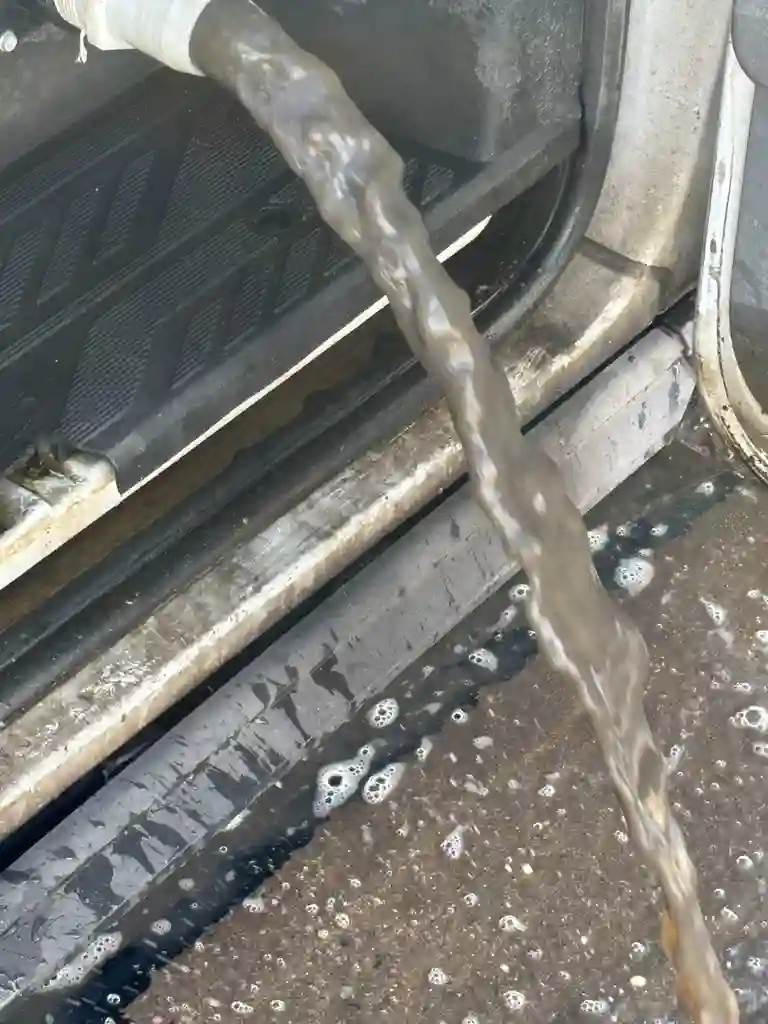
Why Colorado Hard Water Makes Denver Metro Grout Dirtier Faster
Water supplies across the Denver Metro — drawn from the South Platte watershed, Denver Basin aquifer system, and mountain snowmelt — carry dissolved calcium and magnesium at levels that classify Front Range water in the hard to very hard range. Every gallon of water used in your home deposits calcium and magnesium on every surface it contacts when it evaporates. In grout, with open porosity absorbing that mineral-carrying water directly, Denver Metro homeowners experience mineral deposit accumulation faster than homeowners in soft-water regions.
Colorado's high altitude and low relative humidity accelerate evaporation rates. Faster evaporation means mineral-carrying water dries more quickly on grout — depositing minerals in higher concentration per drying cycle. White haze that appears on bathroom grout within a day or two of mopping is hard water mineral deposition from the mop water itself — not soil the cleaning missed.
Our Tile and Grout Cleaning Process — Step by Step
Pre-Inspection: Tile Type, Grout Type, Soiling Level
Tile type determines pH restrictions. Grout type determines agitation approach. Soiling level — light, moderate, or heavy — determines pre-treatment concentration, dwell time, and extraction pass count. Existing sealer status assessed — sealed grout requires different pre-treatment approach than fully open unsealed porosity.
Chemical Pre-Treatment and Dwell
A pH-matched chemistry applied to grout lines and tile surface based on tile type and dominant contaminant.
Alkaline pre-treatment — applied to ceramic and porcelain for organic soil, soap scum, body oils, and bacterial biofilm. Dwell time: 5 to 8 minutes light soiling, 10 to 15 minutes moderate, up to 20 minutes heavy soiling with second application on most contaminated areas.
Acid pre-treatment — applied to ceramic and porcelain only for hard water mineral deposits and efflorescence. Dissolves calcium carbonate and magnesium scale that alkaline chemistry cannot break down. Never applied to natural stone.
PH-neutral pre-treatment — applied to all natural stone tile regardless of soiling level. Chemistry restriction is non-negotiable for marble, travertine, and slate.
Agitation
Professional-grade grout scrubbing tools work chemistry deeper into grout porosity and break adhesive contact between embedded soil compounds and pore walls. Bristle hardness matched to tile type — stiffer for sanded cement grout in ceramic and porcelain, softer for natural stone to prevent surface scratching. Agitation maximizes pre-treatment contact with contamination before extraction begins.
High-Pressure Hot Water Extraction
Truck-mounted extraction system operates at 500 to 1,200 PSI — compared to 20 to 60 PSI from consumer tile grout cleaning machines. High-pressure hot water is delivered to the grout line through a precision cleaning head, driving pre-treated contamination out of the grout pore structure. Immediate simultaneous extraction removes water and dissolved contamination together — unlike steam cleaning which applies vapor without extraction, leaving dissolved compounds to re-deposit as steam condenses.
Rinse Pass and pH Neutralization
Clean hot water rinse pass removes remaining pre-treatment chemistry residue. Where acid-based chemistry was used, pH-neutral rinse follows to bring grout surface to neutral pH before drying — residual acidity left in grout continues reacting with cement material after service.
Post-Cleaning Inspection and Spot Treatment
Cleaned tile and grout inspected under direct light. Isolated remaining deposits, mineral concentrations, or stained joints receive targeted second treatment. Permanent staining — chemical penetration into the cement matrix from years of unprotected exposure — identified honestly and distinguished from removable contamination.
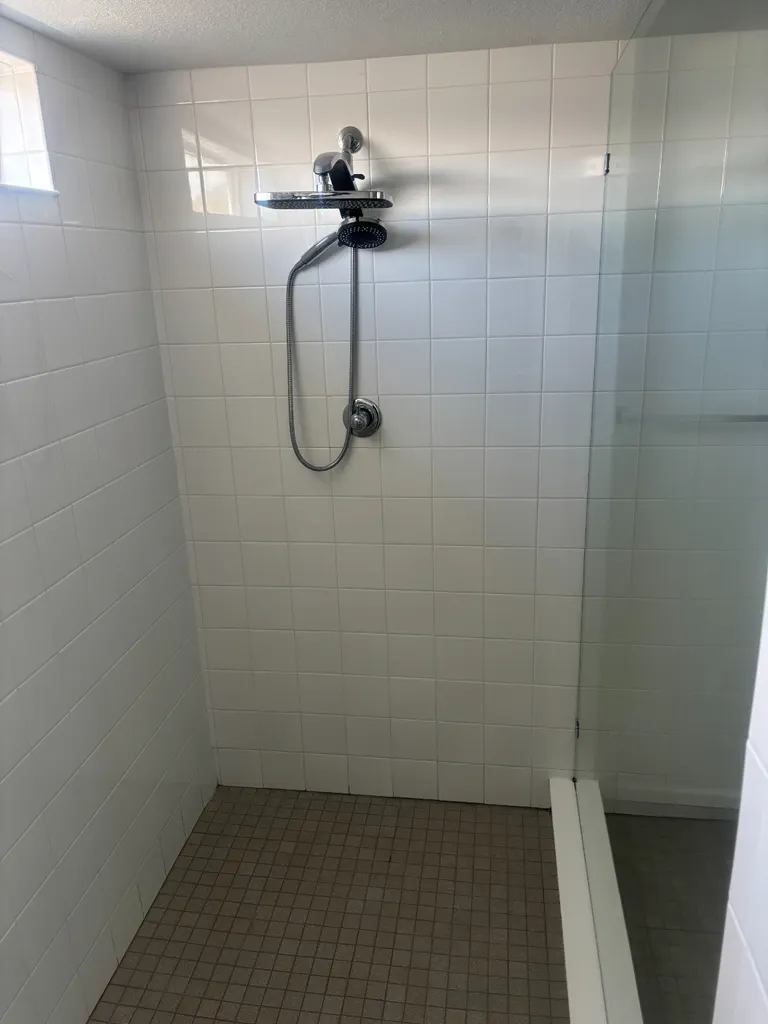
Soiling Level Classification — Light, Moderate, Heavy
Light soiling — surface grime and mild discoloration without deep pore contamination. No mold presence, no mineral crust. Single pre-treatment application at standard concentration, one extraction pass. Results typically dramatic — grout returns close to original color.
Moderate soiling — visible embedded darkening, distinct hard water mineral deposits, early mold presence in moisture-exposed grout. Higher pre-treatment concentration, longer dwell, two extraction passes. Acid pre-treatment for mineral deposits on compatible tile before alkaline soil cleaning.
Heavy soiling — deep uniform discoloration throughout grout matrix, active mold colonies visually present, hard water mineral crust raised on grout surface. Maximum pre-treatment concentration, extended dwell with multiple applications, multiple extraction passes. Some residual color variation possible in most deeply contaminated areas where mineral compounds have permanently altered grout cement at depth.
Grout Sealing — Why It Matters and How It Works
Penetrating Sealer vs Topical Sealer
Penetrating sealer — low-viscosity liquid absorbed into grout pore structure by capillary action, polymerizes inside the pores creating a water and oil-resistant barrier within the grout matrix. Does not change grout appearance. Allows water vapor transmission — the grout breathes — but repels liquid water and oil on contact. This is the sealer type we use and recommend.
Topical sealer — film-forming compound coating the grout surface. Wears off under foot traffic and cleaning contact, can peel or flake as it degrades, sometimes creates a plastic-looking sheen that alters grout appearance. We do not use topical sealers
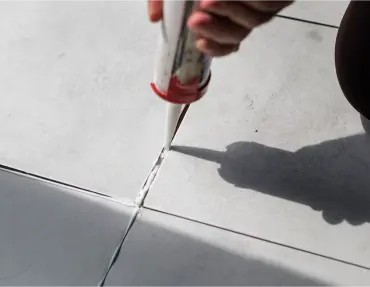
How Long Grout Sealer Lasts
Penetrating sealer lifespan in residential applications: 3 to 5 years in moderate-traffic areas, 1 to 2 years in high-traffic entryways and kitchen floors. Shower grout may need reapplication annually — sustained water exposure degrades sealer faster than dry-area applications.
Simple test: drop water on sealed grout. Water beads and sits on the surface — sealer is active. Water absorbs within seconds — sealer has degraded and reapplication is appropriate.
Is Grout Sealing Worth It?
Freshly cleaned grout has fully open pores — the most receptive it will ever be to new contamination. Penetrating sealer applied immediately after cleaning fills that porosity and protects the cleaning investment. Sealed grout resists re-soiling significantly longer than unsealed — routine mopping wipes across the sealed surface rather than depositing soil into open pores. Professional cleaning intervals extend from 12 to 18 months on unsealed grout to 2 to 4 years on sealed grout in comparable conditions.
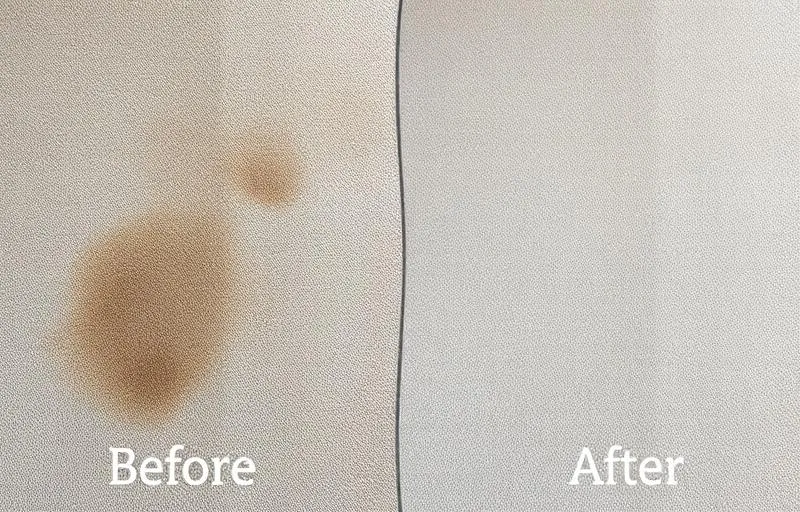
Real Results
See the Difference for Yourself
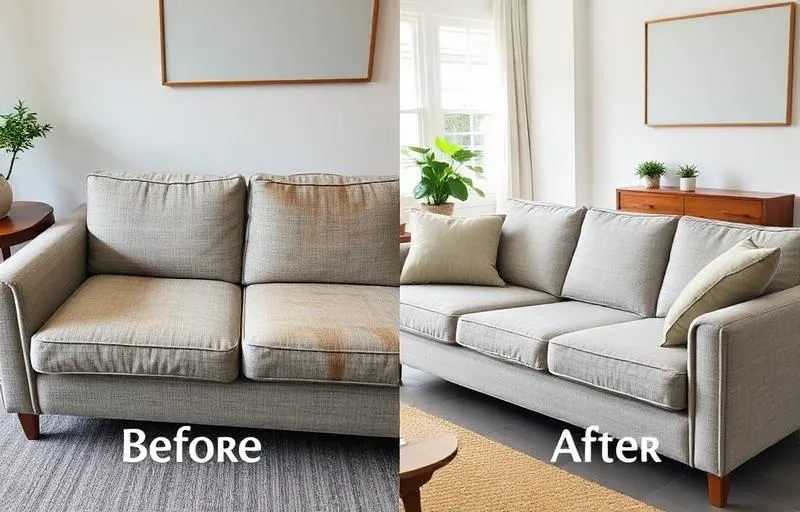
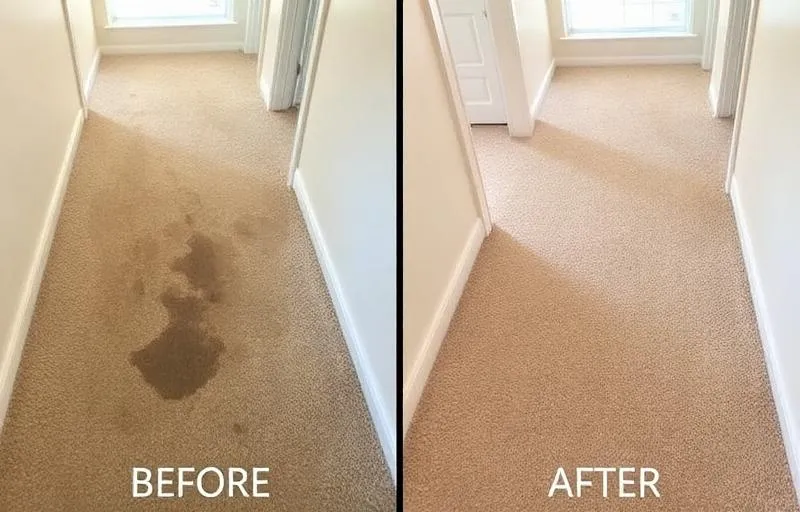
Tile & Grout Cleaning Service Areas — Denver Metro and Surrounding Cities
We provide IICRC-certified tile and grout cleaning across 15+ cities in the Denver Metro — pH-matched chemistry, high-pressure extraction, and grout sealing available wherever you are.
Douglas County
Arapahoe & Jefferson Counties
Denver & North Metro
FAQs
Frequently Asked Questions — Tile and Grout Cleaning
Can professional cleaning restore grout to its original color?
In the majority of cases yes — professional cleaning removes contamination that has discolored the grout and restores it close to original color. Exceptions are permanent staining from chemical penetration into the cement matrix, physical surface abrasion, or aggressive DIY products that chemically altered the grout material. We identify permanent staining during post-cleaning inspection and discuss it honestly.
Is professional tile and grout cleaning safe for marble and travertine?
Yes — with pH-neutral chemistry and reduced extraction pressure appropriate for natural stone. The risk is applying incorrect chemistry. Acid-based chemistry etches marble permanently. We identify natural stone before any chemistry is applied and use exclusively pH-neutral formulations for all natural stone surfaces. No exceptions.
What is the difference between steam cleaning tile grout and high-pressure extraction?
Steam cleaning applies hot vapor that penetrates grout porosity and kills bacteria thermally — but without simultaneous extraction, dissolved contamination remains in the grout and re-deposits as steam condenses. High-pressure extraction injects hot water under 500 to 1,200 PSI and extracts simultaneously — physically removing dissolved contamination from the pore structure rather than redistributing it. Extraction produces more complete results for embedded soil, mineral deposits, and mold removal.
Can grout be cleaned if mold is growing in it?
Yes. Professional cleaning removes established mold from within grout porosity — consumer products cannot. Bleach bleaches the surface color of mold without penetrating the pore depth where the colony lives — mold returns visually within weeks. Our combination of penetrating pre-treatment chemistry, agitation, extraction at 200°F+, and physical removal of disrupted mold material addresses the colony inside the pore, not only the surface appearance.
What is efflorescence and can it be removed?
Efflorescence is the migration of soluble salts from within the grout or concrete substrate to the surface driven by water movement. It appears as white powder or crystalline deposits on grout — distinct from soap scum or hard water deposits by its powdery texture. Removable on ceramic and porcelain through controlled acid treatment. Natural stone requires a different approach given acid sensitivity. Recurrent efflorescence indicates a persistent moisture source driving salt migration and may require addressing the moisture source to prevent recurrence.
How long before I can use my shower or walk on the floor after cleaning?
Tile floors are safe for foot traffic within 30 to 60 minutes — tile dries faster than carpet. Shower tile should dry fully before use — typically 2 to 4 hours — to allow cleaning chemistry to fully neutralize and any grout sealing application to begin curing. Specific timing provided during service completion walkthrough.
How often should tile and grout be professionally cleaned?
Residential bathroom and kitchen tile — every 12 to 18 months for moderate use. High-use bathrooms with multiple occupants — annually. Entryway tile in Denver Metro homes tracking red clay and road chemicals — every 6 to 12 months. Commercial tile in high-traffic environments — every 3 to 6 months. After professional cleaning and grout sealing these intervals extend significantly.
Professional Tile & Grout Cleaning Across the Denver Metro — Free Quote, Upfront Pricing
If your grout has not responded to mopping, shower tile mold keeps returning, or you have not had professional cleaning in years — high-pressure extraction is what produces the result you have not been able to achieve. pH-matched chemistry by tile type. IICRC-certified technicians who assess before they treat. Grout sealing available immediately after cleaning. 23 years serving the Denver Metro.
Call us at (720) 730-8055 or use the online form for a free, upfront quote. We will confirm your service area, scope, and pricing in one call.
We'll text you back within minutes. No spam, ever.
IICRC-certified carpet, tile & upholstery cleaning — Castle Rock, CO and the Denver Metro
Services
Location
