🔥 Limited Time Online Only Special — 3 Rooms + Hallway $119 | Book This Week → Claim Offer


5-Star Rated · IICRC Certified · 23+ Years
Castle Rock Tile & Grout Cleaning — High-Pressure Extraction for Douglas County Hard Water and Mineral Deposits.
Castle Rock has one of the most aggressive hard water profiles in the Denver Metro — sourced from the Denver Basin aquifer, rated hard to very hard, and evaporating faster than soft-water regions at 6,224 feet elevation. Every mop pass deposits calcium and magnesium on Castle Rock tile grout. Every shower produces soap scum — calcium stearate formed when soap fatty acids react with Castle Rock's mineral-rich water. Every entryway contact introduces Douglas County red clay iron oxide into grout porosity. The result is grout that darkens, hazes, and develops mold faster in Castle Rock than in comparable lower-elevation soft-water cities.
Colorado Choice Carpet Cleaning provides IICRC-certified tile and grout cleaning in Castle Rock using high-pressure hot water extraction, pH-matched chemistry by tile and grout type, and penetrating grout sealing calibrated for Castle Rock's hard water recontamination rate.
Fully certified for carpet, tile & upholstery

Trusted, vetted, and held to the highest standards.

Complete satisfaction or we come back free

5-Star Rated on Google

Business Rate Award Winner 2026
Approved By 300+ Of Castle Rock Customers ✅
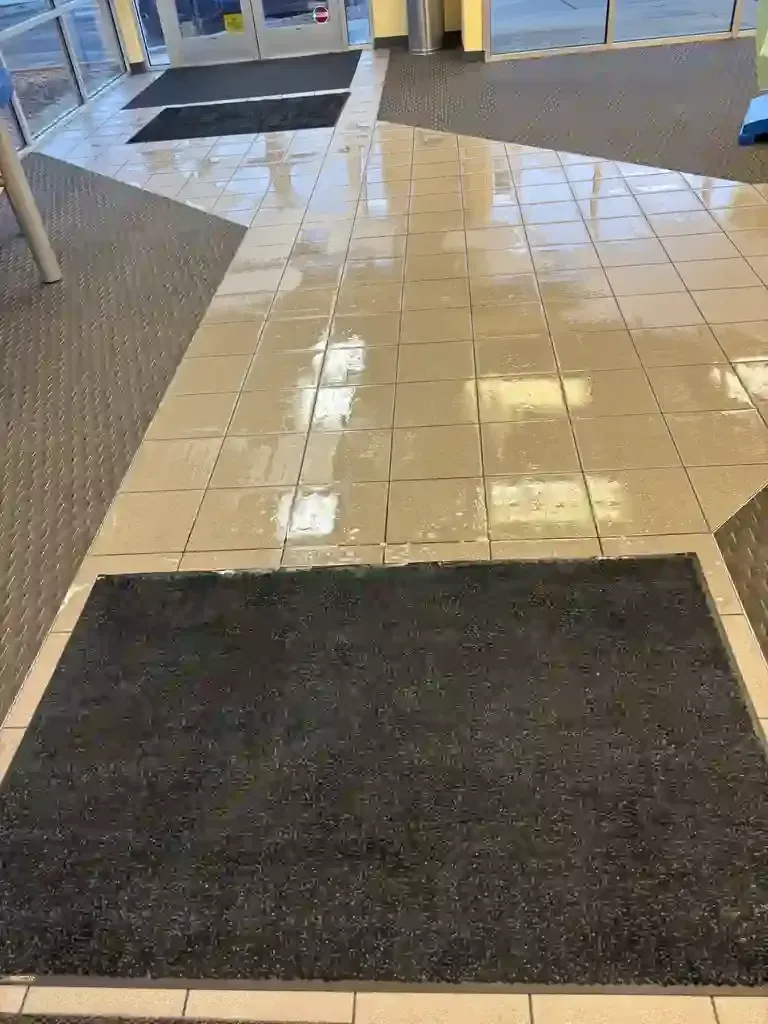
Why Castle Rock Tile Grout Gets Dirtier Faster — Douglas County Hard Water at Altitude
Hard Water Mineral Deposits — Calcium and Magnesium at Castle Rock Elevation
Castle Rock water carries dissolved calcium and magnesium from the Denver Basin aquifer at concentrations rated hard to very hard across Douglas County. At 6,224 feet, Colorado's low humidity accelerates water evaporation on tile and grout surfaces — mineral deposits form faster and in higher concentration per drying cycle than at lower-elevation soft-water locations. Castle Rock bathroom grout, kitchen floor grout, and entryway tile develop white or gray mineral haze within days of mopping — not because mopping was done incorrectly but because the water itself is depositing minerals each time it evaporates.
Calcium carbonate — the primary mineral deposit compound in Castle Rock hard water — requires acid chemistry to dissolve. Alkaline cleaning chemistry, which addresses organic soil and bacterial biofilm, cannot break down calcium carbonate. Castle Rock grout with significant mineral accumulation requires a two-stage pre-treatment approach — acid treatment for mineral deposits on ceramic and porcelain, followed by alkaline treatment for organic soil. Natural stone tile — marble and travertine — cannot receive acid treatment regardless of mineral load. pH-neutral mineral-targeting chemistry is the only safe option for stone in Castle Rock homes.
Soap Scum Formation in Castle Rock Bathrooms
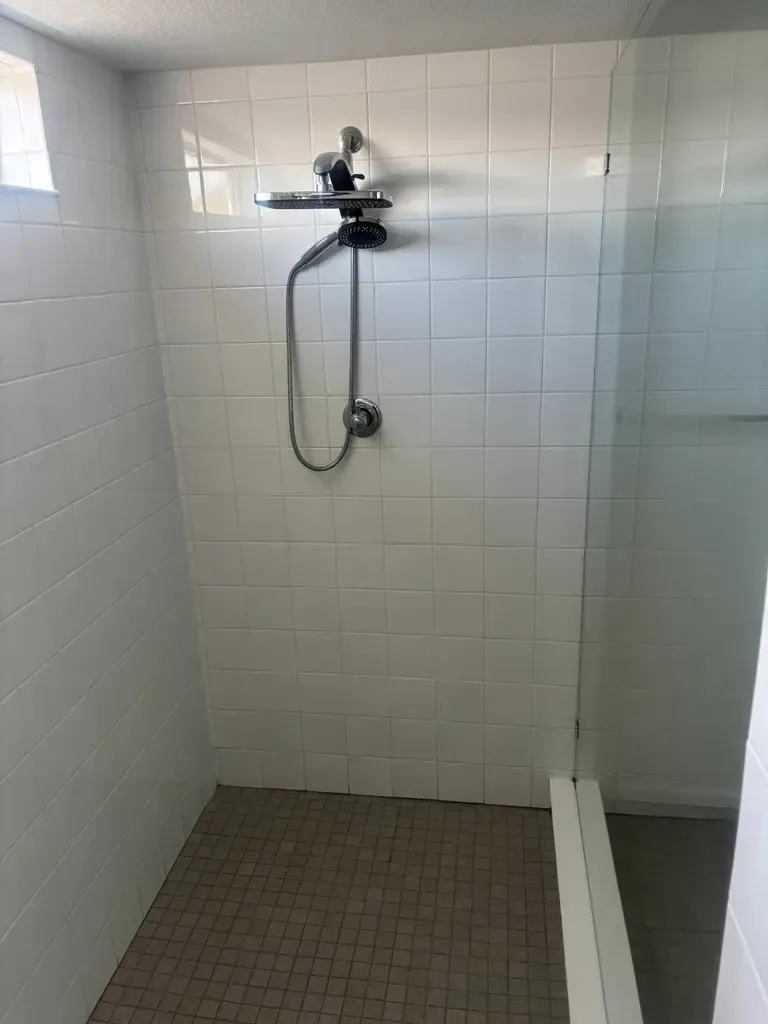
Soap scum is a chemical reaction product — not residual soap. When soap fatty acids contact the calcium and magnesium ions in Castle Rock's hard water, they form calcium stearate and magnesium stearate — waxy, insoluble compounds that bond aggressively to porous grout surfaces. Castle Rock shower grout and bathroom floor grout accumulate soap scum faster than comparable grout in soft-water regions because the mineral ion concentration available for the soap-calcium reaction is higher per shower event. Consumer shower cleaners address surface soap scum but cannot penetrate the grout pore depth where calcium stearate has bonded to pore walls. Professional alkaline pre-treatment and high-pressure extraction removes soap scum from the full pore depth.
Castle Rock Red Clay in Entryway Grout
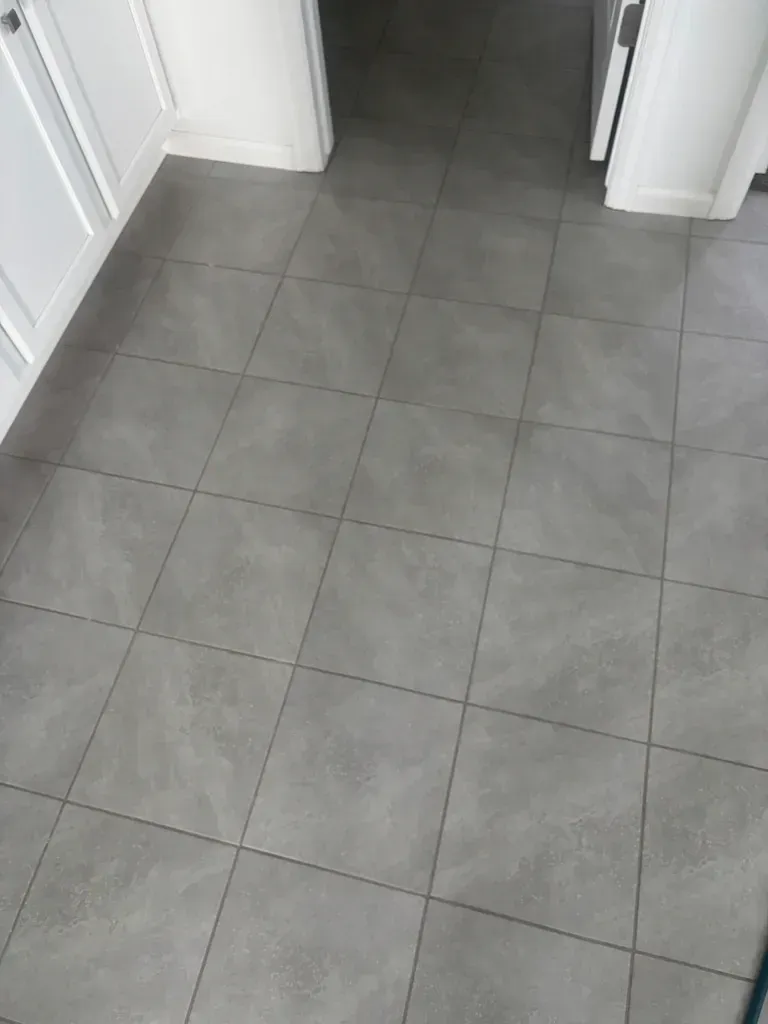
Douglas County red clay iron oxide compounds create a specific staining risk in light-colored Castle Rock entryway grout — reddish-brown discoloration that intensifies with moisture contact and foot traffic compression into open grout porosity. Red clay staining in grout is an iron oxide mineral stain requiring specific alkaline pre-treatment chemistry with extended dwell before extraction. Standard organic soil or soap scum chemistry does not address iron oxide compounds and can alter the stain appearance rather than remove it.
Mold in Castle Rock Shower and Bathroom Grout
Castle Rock shower tile and grout presents the classic high-moisture mold establishment environment — porous cement grout, sustained water contact, warmth, and soap-based organic nutrients. Mold established inside grout porosity is not surface mold — it cannot be removed by bleach application to the grout surface. Bleach bleaches the visible color of mold in grout but does not penetrate the pore depth where the colony lives. The mold visually returns within weeks because the colony inside the grout was not addressed. Professional cleaning with chemistry that penetrates grout porosity, mechanical agitation that disrupts the mold structure, and high-pressure extraction at 200°F+ that applies thermal kill to the colony at pore depth is the only method that removes established mold from Castle Rock shower grout.
Tile and Grout Types We Clean in Castle Rock — Chemistry by Surface
Natural Stone — Marble and Travertine in Castle Rock Homes
Present in higher-value Castle Rock homes — Plum Creek golf community, newer Terrain development, and properties adjacent to Castle Pines Village. Marble and travertine are calcium carbonate-based — acid chemistry etches the surface permanently. pH-neutral chemistry absolute restriction for all natural stone regardless of soiling level or mineral deposit concentration. Reduced extraction pressure for travertine to protect porous stone surface. Castle Rock hard water mineral deposits on natural stone require pH-neutral mineral-targeting chemistry — not the acid descaling approach safe for ceramic and porcelain.
Ceramic and Porcelain Tile
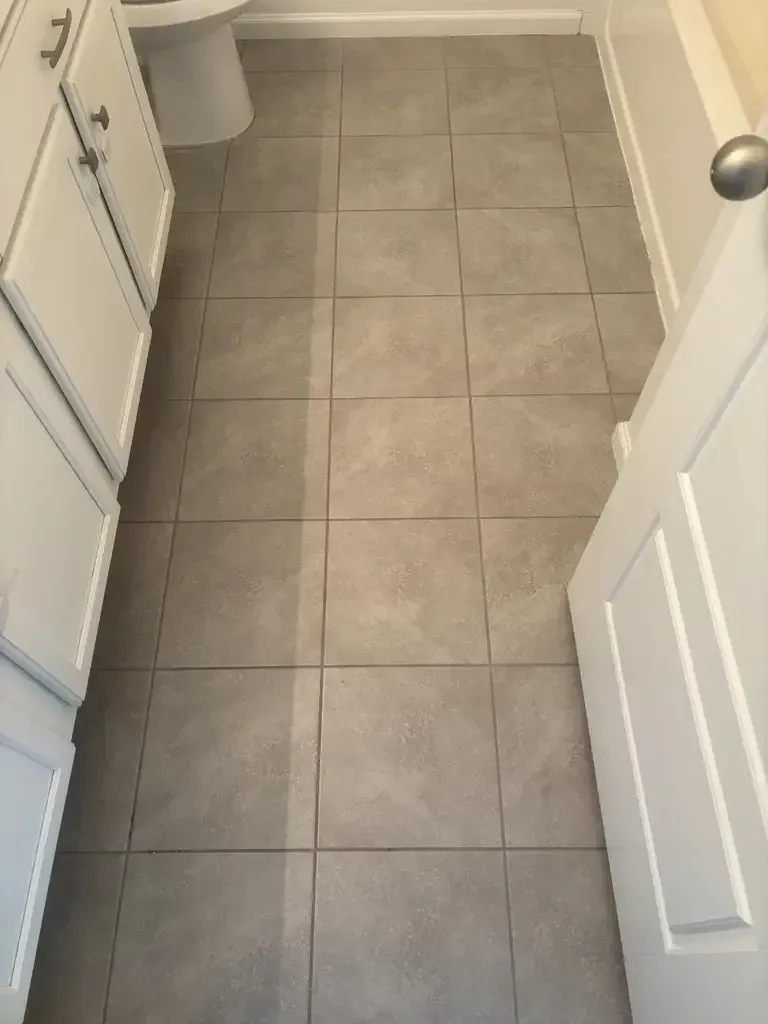
Most common tile type in Castle Rock residential bathrooms and kitchens. Ceramic glazed surface — wide pH tolerance, alkaline pre-treatment and acid mineral treatment both safe. Matte or textured porcelain — modified chemistry to avoid surface haze. Standard high-pressure extraction at 500 to 1,200 PSI. Sanded cement grout in most Castle Rock ceramic tile installations — rough surface texture increases soil adhesion and benefits from mechanical agitation before extraction.
Epoxy Grout
Present in some newer Castle Rock kitchen and bathroom renovations. Non-porous resin surface — does not absorb contaminants the way cement grout does. Cleaning challenge is surface-bonded hard water mineral residue and cleaning product buildup rather than pore-depth contamination. pH-neutral chemistry only — cement grout cleaners and acid formulations damage epoxy grout resin surface.
Our Tile and Grout Cleaning Process for Castle Rock Homes
Pre-Inspection — Tile Type, Grout Type, Soiling Level, Sealer Status
Tile type confirmed before any chemistry is applied — ceramic, porcelain, marble, travertine, or epoxy grout. Natural stone identification is non-negotiable before pre-treatment selection. Soiling level classified — light surface discoloration, moderate embedded mineral and organic soil, heavy mineral crust and active mold presence. Current sealer status assessed — sealed grout requires modified pre-treatment approach compared to fully open unsealed porosity.
pH-Matched Pre-Treatment — Castle Rock Two-Stage Protocol
Ceramic and porcelain tile in Castle Rock bathrooms and kitchens: two-stage pre-treatment required when hard water mineral accumulation and organic soil are both present. Stage one — acid pre-treatment targets calcium carbonate and magnesium mineral deposits. Dwell time 5 to 10 minutes depending on mineral crust depth. Stage two — alkaline pre-treatment targets soap scum, bacterial biofilm, and organic soil after mineral deposits are addressed.Natural stone — marble and travertine — acid stage is never applied regardless of mineral load. pH-neutral mineral-targeting chemistry only. Extended dwell to compensate for the gentler chemistry.Epoxy grout: pH-neutral chemistry only. Acid and high-alkaline chemistry both damage resin surface. Surface-bonded mineral residue addressed with dedicated epoxy-safe formulation.Red clay iron oxide in entryway grout receives dedicated alkaline iron oxide-targeting pre-treatment before the standard mineral and organic stages.
Agitation and High-Pressure Extraction
Professional-grade grout scrubbing tools work chemistry into grout pore structure and break soil-pore wall contact before extraction. Bristle hardness matched to tile type — stiffer for sanded cement grout in ceramic installations, softer for natural stone.
Truck-mounted extraction at 500 to 1,200 PSI — significantly higher than consumer tile grout cleaning machines at 20 to 60 PSI. Hot water drives pre-treated contamination out of grout porosity. Simultaneous extraction removes dissolved contamination rather than allowing it to re-deposit as steam condenses. Pressure calibrated by tile type — full pressure for ceramic and porcelain, reduced for travertine and slate.
Rinse Pass and pH Neutralization
Clean hot water rinse pass removes pre-treatment residue and dissolved contamination from grout surface and pore structure. Where acid pre-treatment was applied to ceramic or porcelain, pH-neutral rinse follows immediately — residual acidity left in Castle Rock grout continues reacting with cement grout material after service completion and must be neutralized before drying. Litmus confirmation of pH-neutral rinse output before leaving is standard procedure on acid-stage jobs.Natural stone rinse uses pH-neutral water only throughout — no stage where acid chemistry is introduced means no neutralization step is required, but rinse volume is increased to ensure complete pre-treatment removal from porous stone surface.
Grout Sealing — Castle Rock Hard Water Priority
Penetrating grout sealer applied after every cleaning service in Castle Rock homes — not an upsell, a standard protocol recommendation given Castle Rock's hard water recontamination rate. Castle Rock grout open to mineral-carrying mop water re-accumulates calcium and magnesium deposits faster than in soft-water regions. Penetrating sealer fills grout porosity with a hydrophobic barrier — mineral-carrying water beads off sealed grout surface rather than penetrating and depositing.Sealer type matched to grout type — penetrating silicone sealer for sanded cement grout in ceramic and porcelain applications. Natural stone tile receives impregnating sealer appropriate for stone porosity — same hydrophobic principle, stone-safe formulation. Epoxy grout does not require sealing — non-porous resin surface is already the equivalent of a sealed state.Recommended re-sealing interval in Castle Rock: 12 to 18 months for bathroom and kitchen grout given Douglas County hard water mineral load and frequency of mopping. Entryway grout with red clay exposure — 12 months.
Tile and Grout Cleaning by Room — Castle Rock Homes
Bathroom tile and grout — shower grout mold, soap scum from Castle Rock hard water, and floor grout bacterial biofilm. Most complex contamination profile. Shower grout mold requires colony-level treatment — not surface bleach application.
Kitchen floor tile and grout — cooking grease and food oil combined with Castle Rock hard water mineral deposits. Two-stag8 pre-treatment — alkaline degreaser after acid mineral stage on ceramic and porcelain kitchen tile.
Entryway and mudroom tile — highest red clay iron oxide accumulation. Iron oxide pre-treatment chemistry required. Fastest grout discoloration rate of any room in Castle Rock homes due to direct outdoor soil contact.
Master bath natural stone — marble and travertine in higher-value Castle Rock homes. pH-neutral absolute restriction. Hard water mineral treatment without acid chemistry.
OUR 4 EASY STEPS
How to Book Carpet Cleaning in Castle Rock— 4 Steps
01
Call or Submit Online

Call (720) 730-8055 or submit the online form. Surface type — natural stone, engineered hardwood, LVT, carpet — room count, and specific concerns confirmed on the call. Castle Rock neighborhood, tile type, and natural stone status confirmed for dispatch scheduling.
02
Free Upfront Quote

Accurate quote before scheduling. Specialist surface protocol — natural stone, premium upholstery — confirmed and included. No door-step additions.
03
Scheduled or Same-Day Appointment

Morning, afternoon, and after-hours slots available. Same-day confirmed before noon. Emergency 24/7 — Tier 1 dispatch from Castle Rock base.
04
Certified Service & Results

Pre-inspection confirms surface type — tile type, finish identification, fabric code — and soil load before treatment begins. Service completed. Drying time 2 to 4 hours with low-residue method. Completion walkthrough before leaving.
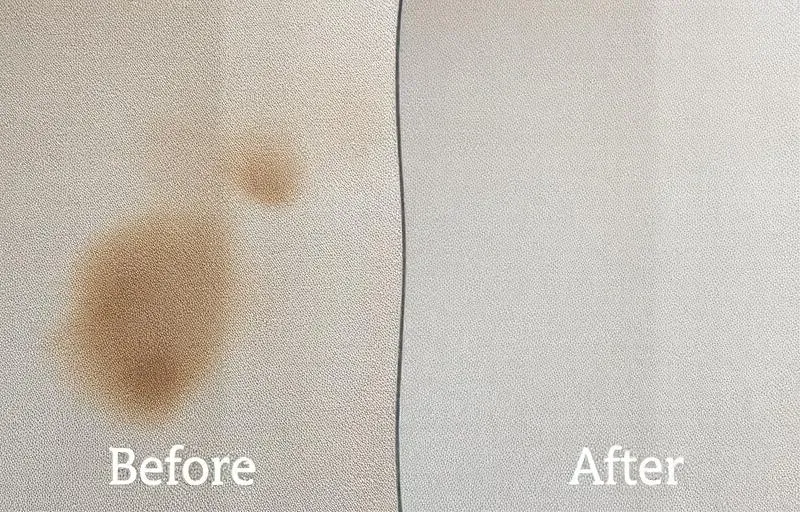
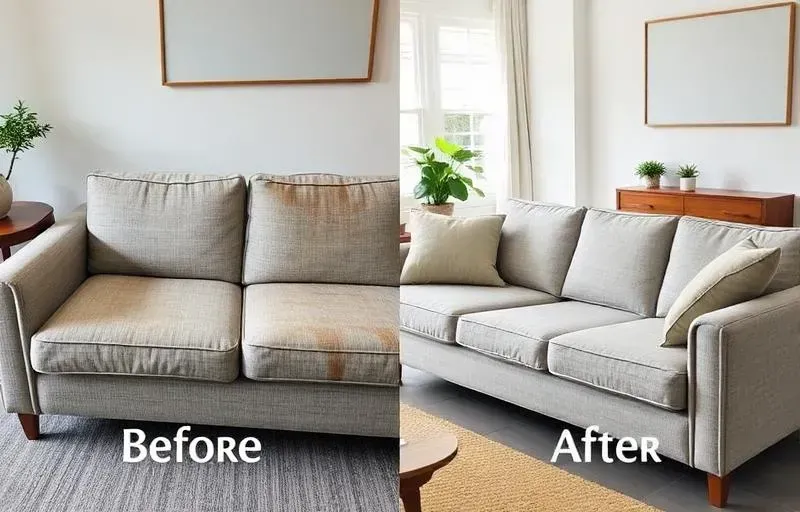
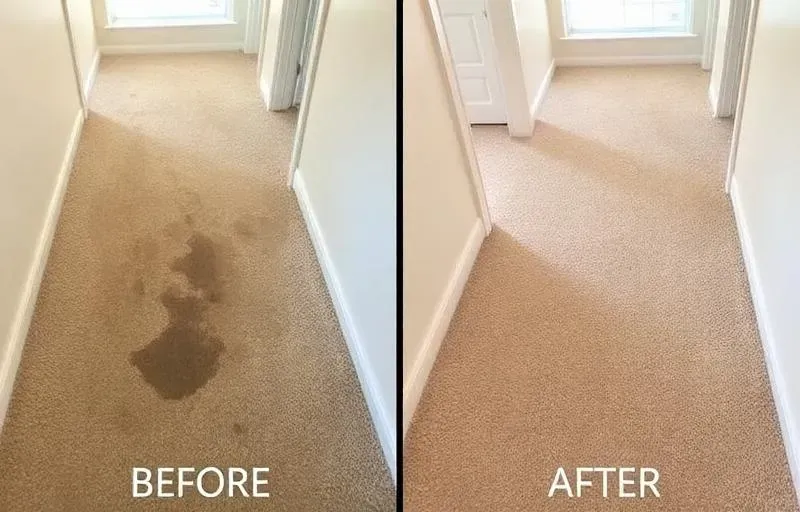
Real Results
See the Difference for Yourself
Related Services and Pages
This is a Paragraph
Castle Rock City Hub
Font
Emergency Carpet Cleaning in Castle Rock
Castle Rock Specialized Sections
Carpet Cleaning in Castle Rock
Stain & Odor Removal in Castle Rock
LVT Floor Cleaning in Castle Rock
Upholstery Cleaning in Castle Rock
Same-Day Carpet Cleaning in Castle Rock
Real Cleaning Stories & Carpet Care Tips
Explore real carpet, tile, upholstery, and hardwood cleaning jobs from across Colorado. We share actual stain removal cases, restoration challenges, and professional cleaning insights based on decades of hands-on experience.
No blogs found
FAQs
Frequently Asked Questions — Tile & Grout Cleaning in Castle Rock, CO
Why does my Castle Rock tile grout look hazy again within days of mopping?
Castle Rock water is rated hard to very hard. Every mop pass deposits dissolved calcium and magnesium on grout as water evaporates. At Castle Rock's 6,224-foot elevation, that evaporation is faster than at lower-elevation soft-water locations — mineral deposits form in higher concentration per drying cycle. The white haze returning within days is hard water mineral accumulation from the mop water itself — not soil the cleaning missed. Professional extraction removes the accumulated mineral load. Penetrating grout sealing after cleaning significantly slows re-accumulation by repelling mineral-carrying water from entering the pore structure.
My Castle Rock shower grout has black mold — can professional cleaning remove it?
Yes — professional cleaning removes established mold from inside grout porosity in a way bleach cannot. Bleach applied to grout surface bleaches the visible mold color but does not penetrate the pore depth where the colony lives. The mold returns visually within weeks because the colony was not addressed. Our process uses penetrating pre-treatment chemistry, mechanical agitation that disrupts the mold structure, and high-pressure extraction at 200°F+ that applies thermal kill to the colony at pore depth — removing the colony rather than bleaching its surface appearance.
Is professional tile cleaning safe for marble in my Castle Rock home?
Yes — with pH-neutral chemistry only and reduced extraction pressure. Marble is calcium carbonate-based and etches permanently on contact with acidic chemistry. We identify natural stone before any chemistry is applied. pH-neutral formulations are used for all marble and travertine surfaces in Castle Rock homes regardless of soiling level or mineral deposit concentration. This is non-negotiable — acid contact on marble causes irreversible surface damage.
How often should Castle Rock tile and grout be professionally cleaned?
Bathroom and kitchen tile — every 12 months in Castle Rock due to accelerated hard water mineral accumulation at Douglas County hard water concentrations and 6,224-foot elevation evaporation rate. Entryway tile with red clay iron oxide tracking — every 6 to 12 months. After professional cleaning and penetrating grout sealing, these intervals extend to 18 to 24 months in most Castle Rock bathroom and kitchen applications — sealed grout resists mineral penetration significantly longer than open unsealed grout.
Do you serve all Castle Rock neighborhoods for tile and grout cleaning?
Yes — The Meadows, Founders Village, Cobblestone Ranch, Crystal Valley, Plum Creek, Happy Canyon, Terrain, and all Castle Rock addresses. Natural stone tile in Plum Creek and Terrain properties receives pH-neutral protocol confirmed on arrival. Call (720) 730-8055 to schedule.
Book Your Castle Rock Tile & Grout Cleaning — Free Quote, Hard Water Specialist Protocol
Castle Rock grout faces a contamination rate that soft-water cities do not — hard water minerals from the Denver Basin aquifer deposit every time mop water evaporates, and at 6,224 feet that evaporation is fast. Add red clay iron oxide from Douglas County soil, shower mold that bleach cannot reach, and soap scum formed by Castle Rock's mineral-rich water reacting with soap — and you have a grout contamination profile that requires a specifically calibrated process, not a generic one. We are based in Castle Rock, our process is built for Castle Rock water and soil conditions, and we seal your grout after every service to slow the recontamination cycle. Call (720) 730-8055 or fill out the form for a free upfront quote.
We'll text you back within minutes. No spam, ever.
IICRC-certified carpet, tile & upholstery cleaning — Castle Rock, CO and the Denver Metro
Services
Location