🔥 Limited Time Online Only Special — 3 Rooms + Hallway $119 | Book This Week → Claim Offer


23+ Years of 5-Star Service
Click To Read Our Reviews ⬇️
3 Rooms + Hallway For $119
Limited Time · Online Only Special — Available This Week
Upfront Pricing + Easy Scheduling
Certified, Friendly Technicians
Locally Owned & Operated For Over 23 Years
Questions? Call us now: (720) 730-8055


5-Star Rated · IICRC Certified · 23+ Years
Carpet & Floor Cleaning Services in Castle Rock, CO
Looking for carpet cleaning Castle Rock homeowners have trusted for 23 years? Castle Rock is our home city — where our highest same-day availability, fastest emergency response, and deepest knowledge of what these floors actually face are concentrated. We have been cleaning carpet, tile, hardwood, LVT, and upholstery across Castle Rock for 23 years — The Meadows, Founders Village, Cobblestone Ranch, Crystal Valley, Plum Creek, Happy Canyon, and Terrain — IICRC-certified across three disciplines, with same-day and emergency availability for homes, businesses, and HOA facilities throughout Castle Rock.
From The Meadows and Founders Village to Crystal Valley, Plum Creek, and Happy Canyon — Castle Rock is our home base, our highest-priority dispatch city, and the community where our family has watched 23 years of floors face red clay, Denver Basin hard water, and seven months of road treatment chemicals every winter.
How We Know Castle Rock — This Is Our Home, Not Just a Service Area
Colorado Choice Carpet Cleaning is based at 1551 Willow Oak Rd in Castle Rock — not dispatched from Denver, not a franchise territory. Castle Rock is where our equipment is staged, where our trucks are ready, and where we respond fastest of any city in our service area. Mark Pratt has been IICRC-certified and cleaning Castle Rock homes since 2000. His wife has lived in Castle Rock for over 30 years — she has watched this community grow from a small-town I-25 stop to a city approaching 100,000 people — and what she will tell you is it still feels like a town where people know their neighbors.
We are a member of the South Metro Denver Chamber of Commerce. We know which Castle Rock neighborhoods are master-planned and HOA-managed, which ones have natural ground access that tracks red clay into entry carpet year-round, which Plum Creek homes have travertine that cannot take acid cleaning, and which Founders Village properties still have original waxed hardwood that water-based cleaners strip permanently. That knowledge comes from 23 years of Castle Rock service calls, not from a franchise training manual.
Fully certified for carpet, tile & upholstery

Trusted, vetted, and held to the highest standards.

Complete satisfaction or we come back free

5-Star Rated on Google

Business Rated Award Winner 2026
Approved By 300+ Castle Rock Customers ✅
What Castle Rock Floors Are Actually Dealing With
Castle Rock Red Clay — Iron Oxide Soil That Does Not Vacuum Out
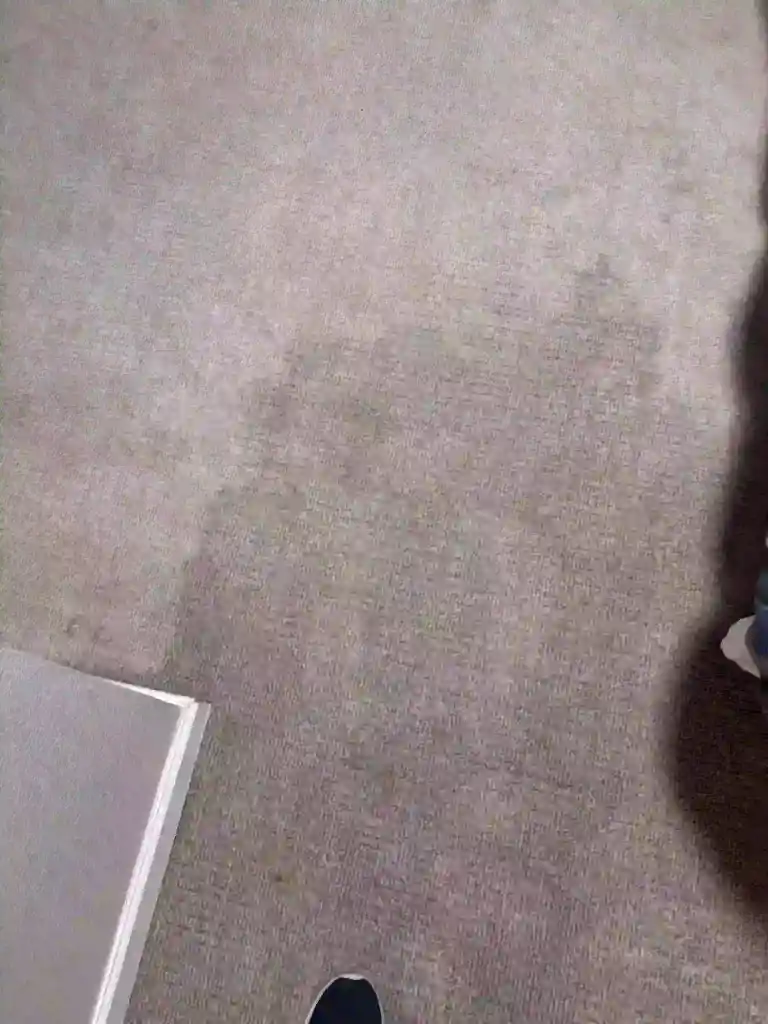
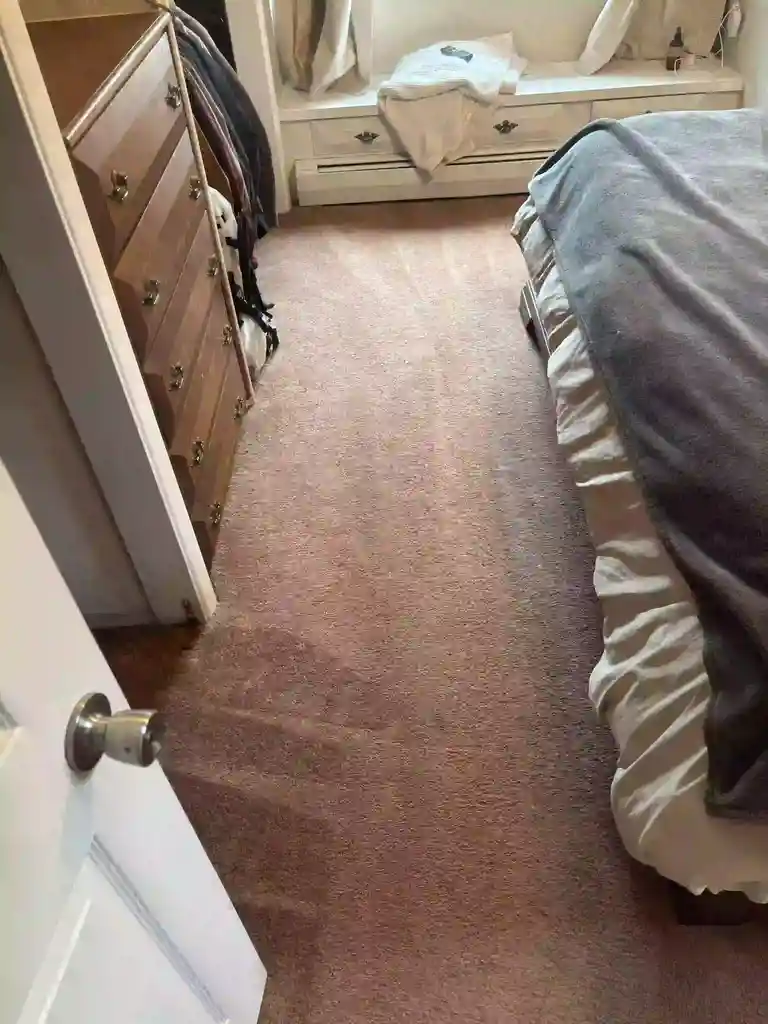
Castle Rock red clay contains iron oxide compounds that bond to carpet fiber under foot traffic compression in a way that standard topsoil does not. Vacuuming moves the surface layer but cannot break the iron oxide-fiber bond. Entry and hallway carpet in Castle Rock homes accumulates reddish-brown discoloration that routine vacuuming spreads rather than removes. Pre-spray alkaline chemistry calibrated to break iron oxide bonds — applied and dwelled before extraction begins — is the step that removes the discoloration that years of vacuuming have not.
Castle Rock Hard Water — The Source of That White Haze
Castle Rock water sourced from the Denver Basin aquifer is rated hard to very hard across Douglas County. At 6,224 feet elevation, Colorado's low humidity accelerates water evaporation on every surface — mineral deposits form faster here than at lower-elevation soft-water locations. Every mop pass deposits calcium and magnesium on tile grout, LVT wear layers, and carpet fiber. The white haze on your grout that returns within days of mopping, the cloudy film on your LVT, the gritty mineral feel in carpet fiber — all hard water mineral accumulation from the mop water itself. Professional extraction with mineral-targeting chemistry removes the accumulated load that routine mopping compounds cycle after cycle.
Winter Road Treatment Chemicals — October Through April Tracking
Castle Rock roads receive magnesium chloride and calcium chloride treatment from October through April. These compounds track into Castle Rock homes on footwear throughout the entire winter season — depositing chloride salts and mineral compounds in entry and hallway carpet that vacuuming does not fully remove and that are mildly corrosive to carpet fiber base under sustained seasonal accumulation. Spring cleaning — April or May — after the road treatment season ends is the optimal timing to remove the full winter chemical and mineral load from Castle Rock entry carpet.
Heating Season and Pet Urine Reactivation
Castle Rock's forced-air heating season runs October through April — seven months annually. If pet odor returns every fall when the heat kicks on, that is not a new accident. Heated indoor air reactivates uric acid crystals from existing contamination in carpet backing and padding — releasing ammonia-based odor consistently throughout heating season. Standard carpet cleaning does not dissolve uric acid crystals. Enzyme pre-treatment at professional concentration eliminates the uric acid source at the molecular level — no source remaining means no reactivation when October heating activates.
OUR SERVICES
We Offer More Than Just Carpet Cleaning
Every service below is performed by IICRC-certified technicians with chemistry and method matched to the specific surface, contaminant type, and soil load.
Carpet Cleaning in Castle Rock
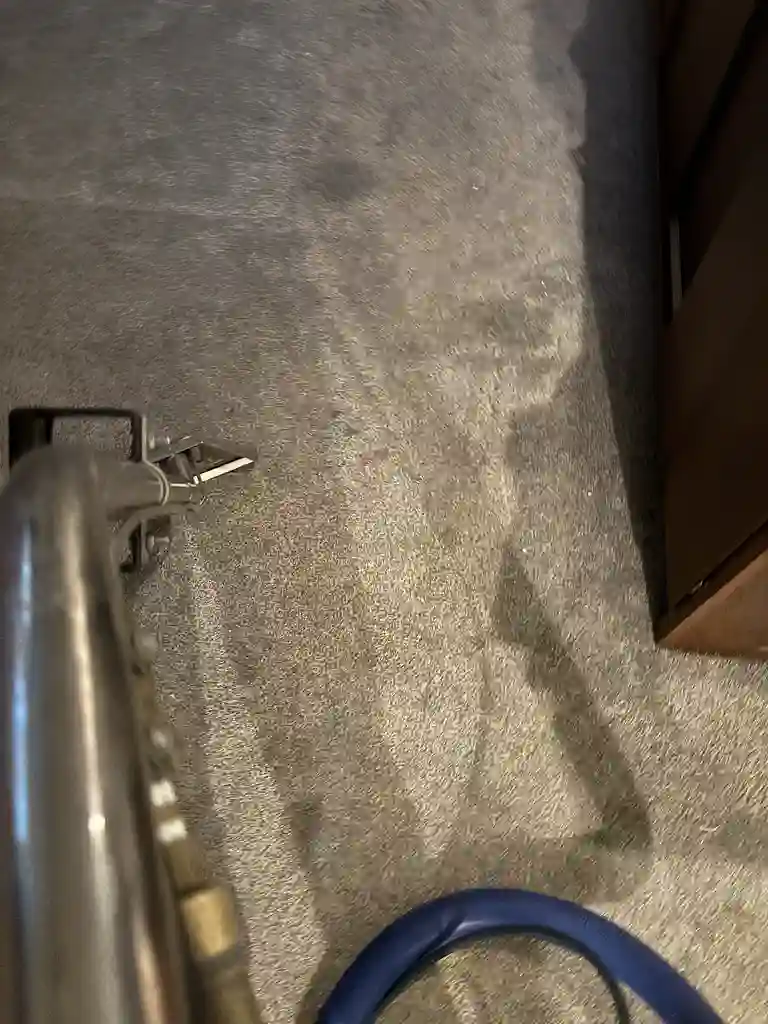
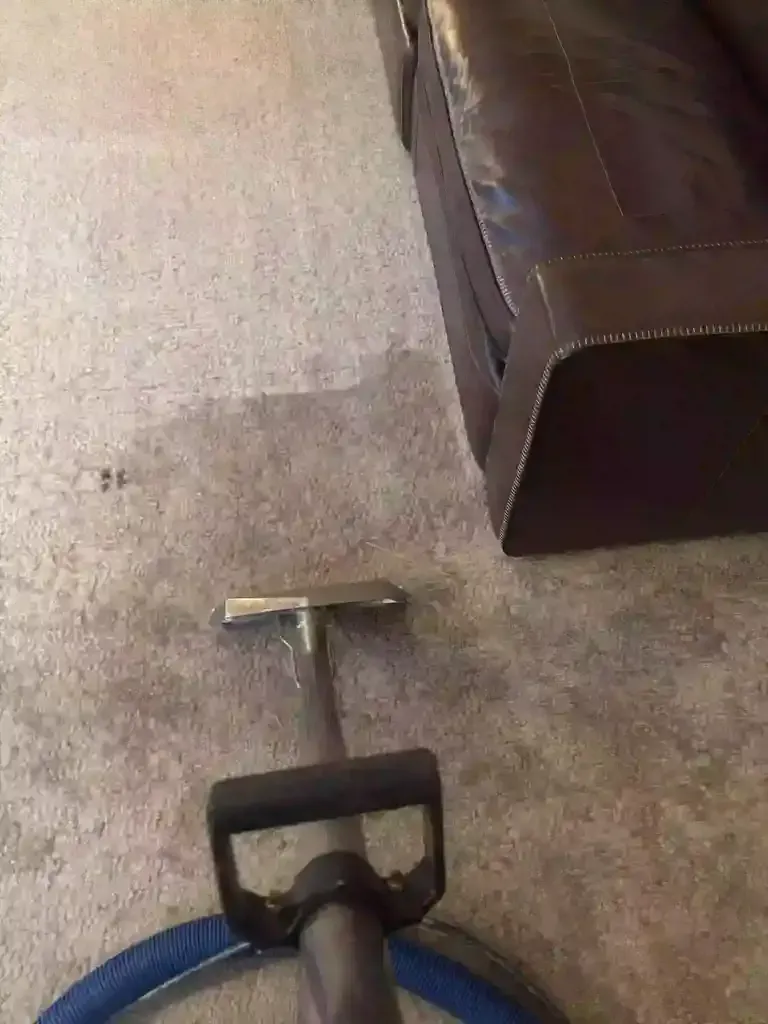
Hot water extraction removes dust mites, pet dander, allergens, bacteria, iron oxide soil compounds, and winter road chemical deposits from carpet fiber base. Fiber type identified before treatment. Castle Rock soil load — red clay plus road chemicals — classified as medium to heavy in high-traffic entry and hallway zones in most Castle Rock homes. Up to 95% soil and bacteria removal per IICRC S100 standard.
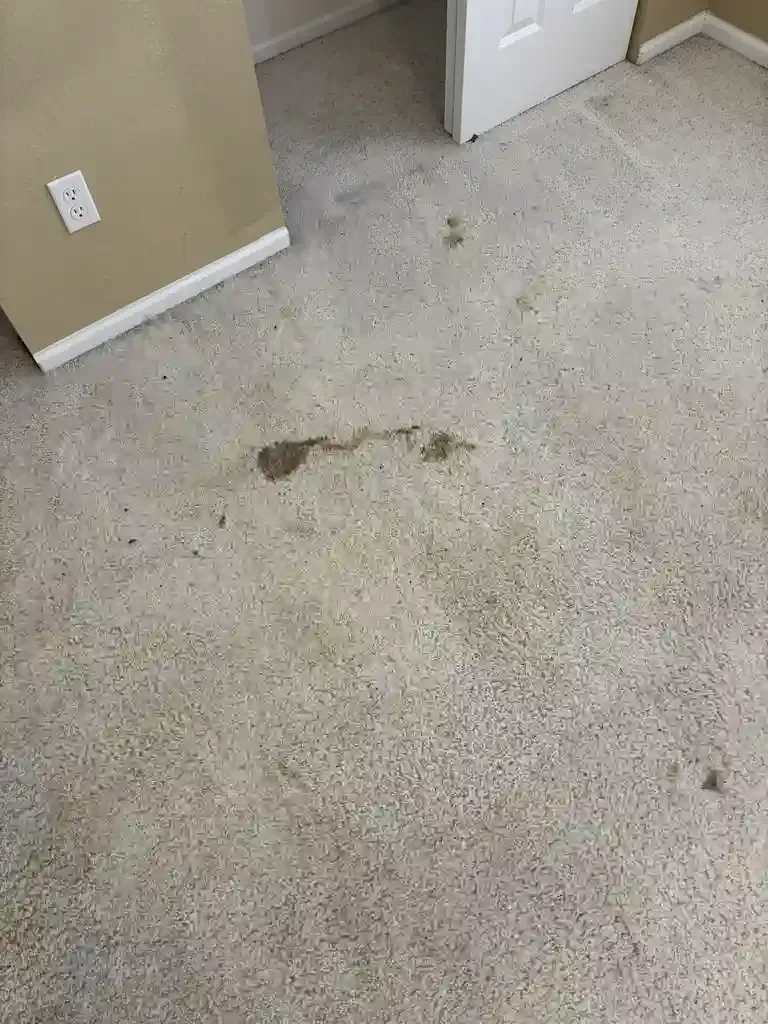
Stain & Odor Removal in Castle Rock
Pet urine odor reactivation is heightened in Castle Rock during heating season — forced-air heat activates uric acid crystals in carpet backing and padding from October through April. Enzyme pre-treatment at professional concentration addresses uric acid at the molecular level. UV light maps all contamination zones including areas invisible to the naked eye. Topical enzyme treatment for recent incidents. Restoration treatment — padding replacement and sub-floor sealing — for chronic contamination with sub-floor penetration.
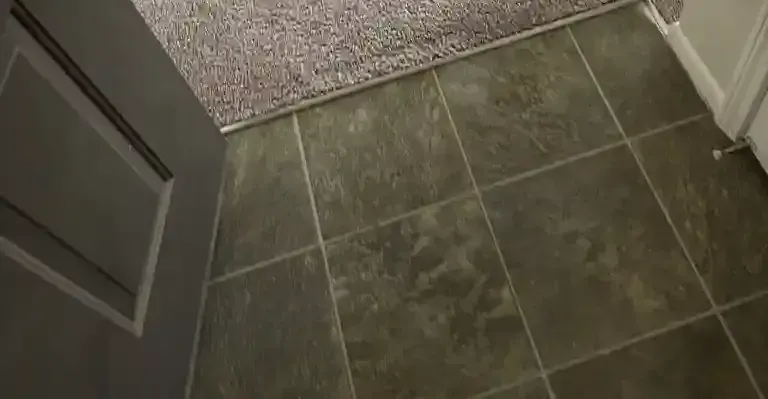
Tile & Grout Cleaning in Castle Rock
Castle Rock hard water accelerates mineral deposit formation in tile grout faster than soft-water regions. Bathroom, kitchen, and entryway grout in Castle Rock homes develops calcium and magnesium scale, soap scum, and bacterial biofilm at accelerated rates. High-pressure hot water extraction at 500 to 1,200 PSI with pH-matched chemistry removes embedded contamination from grout porosity. pH-neutral only for natural stone — marble, travertine, slate. Grout sealing available after every service.
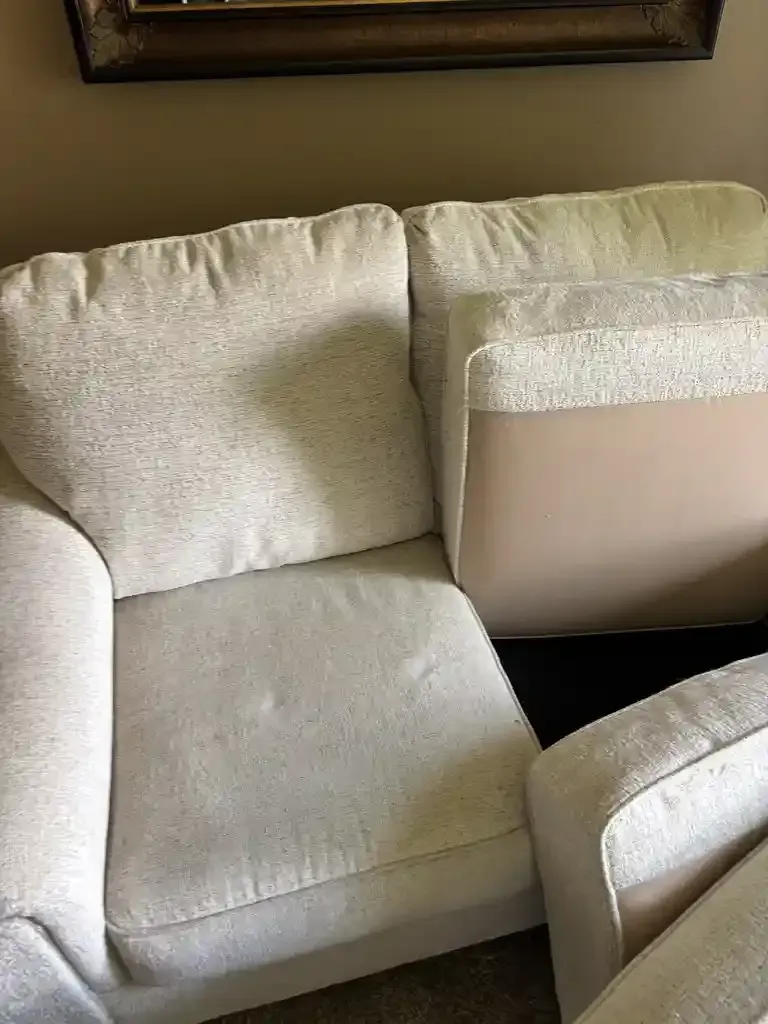
Upholstery Cleaning in Castle Rock
Castle Rock's low-humidity, forced-air heating environment creates elevated static charge in synthetic upholstery fabrics — accelerating airborne particulate accumulation in furniture fiber during the long heating season. Fabric code identified before treatment. Moisture-controlled extraction matched to fabric type — W, S, W/S protocols applied per fabric coding. Dust mite load, pet dander, and body oil removed from fiber and cushion batting.
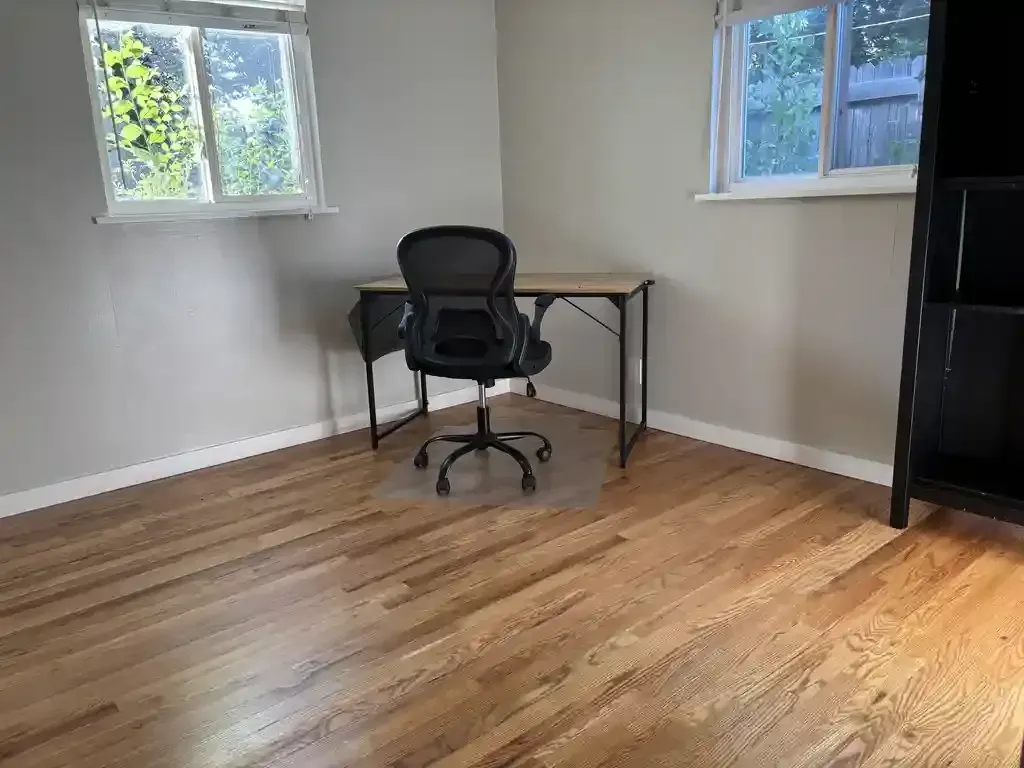
LVT Floor Cleaning in Castle Rock
Castle Rock hard water deposits calcium and magnesium on LVT wear layers with every mop pass — white haze and surface clouding are hard water mineral accumulation, not cleaning failure. pH-neutral chemistry only — alkaline cleaners above pH 8 degrade the wear layer. Controlled moisture extraction removes residue buildup and mineral deposits without wear layer damage. No steam on LVT.
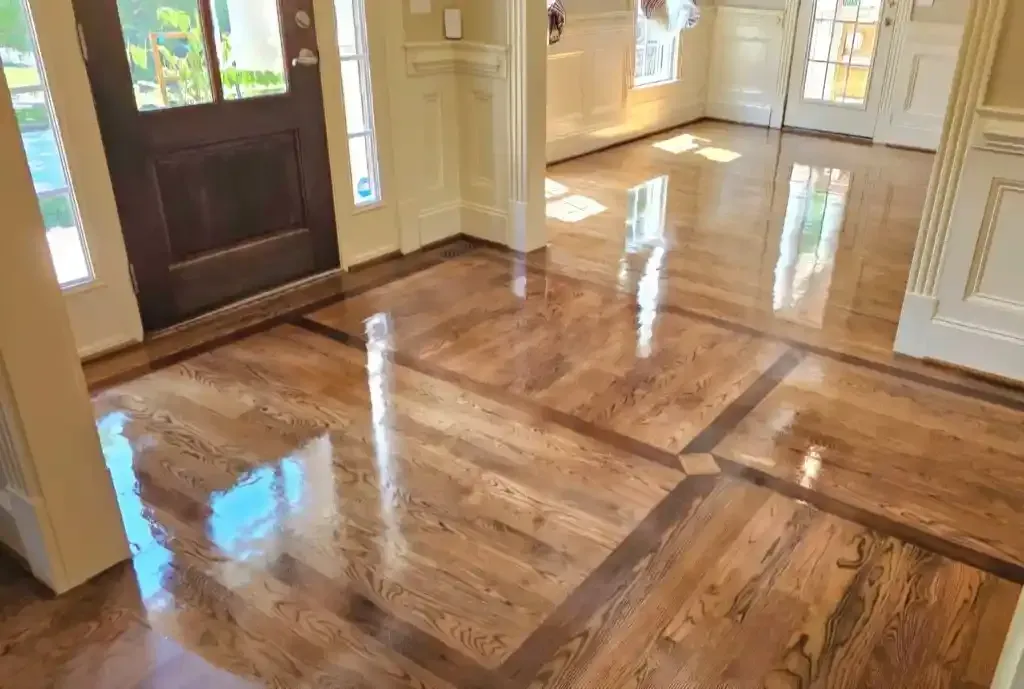
Hardwood Floor Cleaning in Castle Rock
Castle Rock's low humidity causes seasonal wood contraction — micro-gaps open between boards during the long heating season, creating moisture entry points during cleaning. Low-moisture, pH-neutral protocol strictly applied. Finish type identified — polyurethane, wax, oil, or unsealed — before any chemistry is applied. No steam, no wet mopping, no alkaline chemistry on any hardwood finish type.
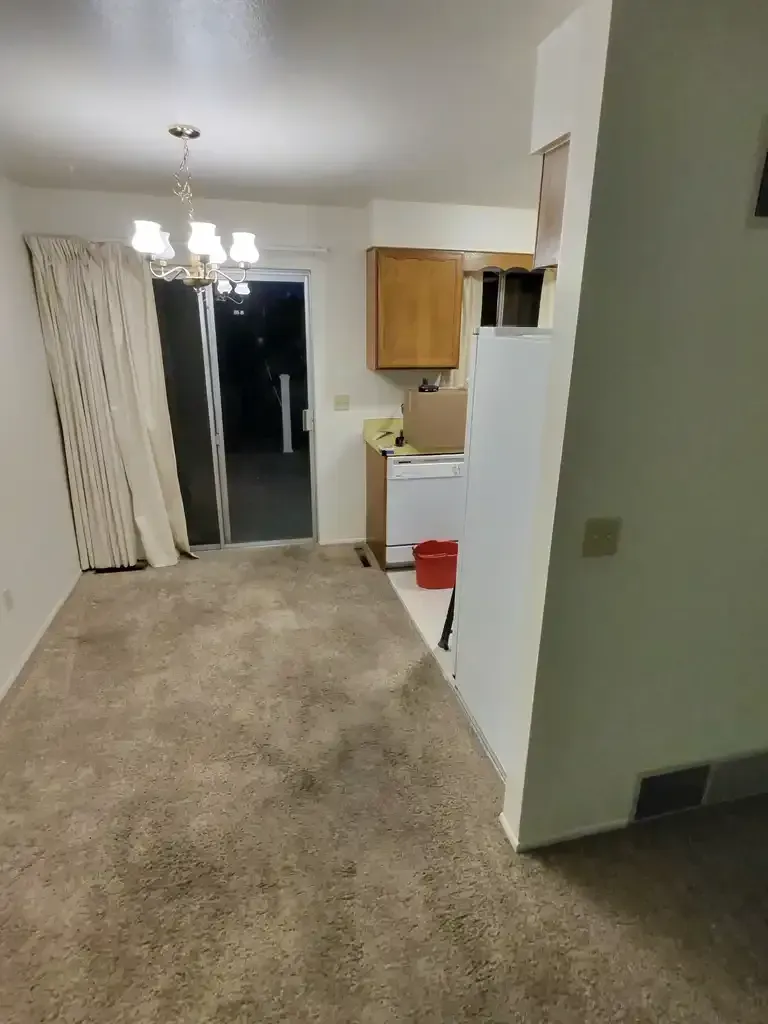
Commercial Cleaning in Castle Rock
Office parks, retail, restaurants, medical practices, and HOA facilities across Castle Rock — Meadows Parkway, Promenade, I-25 corridor, Festival Park area. Castle Rock red clay and winter road treatment chemicals compound commercial carpet contamination faster than standard Front Range commercial environments. After-hours and weekend scheduling. Truck-mounted extraction scaled to commercial soil loads. Post-construction cleaning for Castle Rock's active new commercial development pipeline along the I-25 corridor.
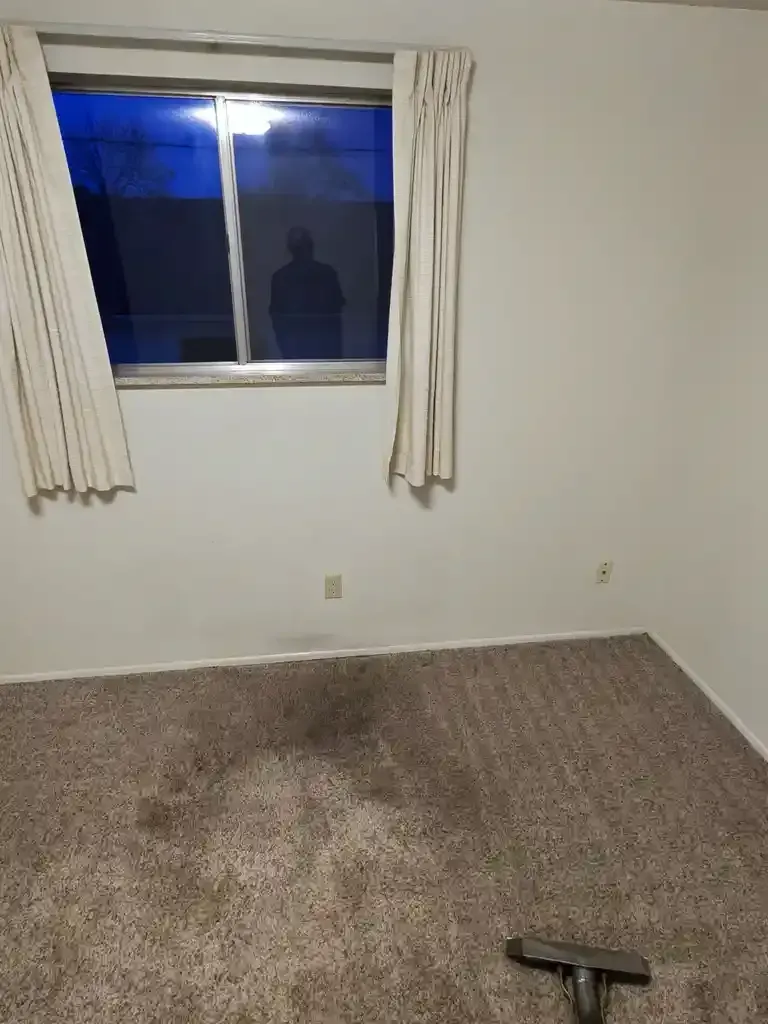
Same-Day Carpet Cleaning in Castle Rock
Castle Rock is our home base — highest same-day availability and fastest dispatch of all 15 cities in our service area. Real estate showings, move-out deadlines, guest arrival, fresh spills, pre-event cleaning. Full IICRC-certified hot water extraction — not a reduced service. Castle Rock's low humidity at 6,224 feet produces the fastest post-extraction drying of all our service cities — 1 to 2 hours with active airflow.
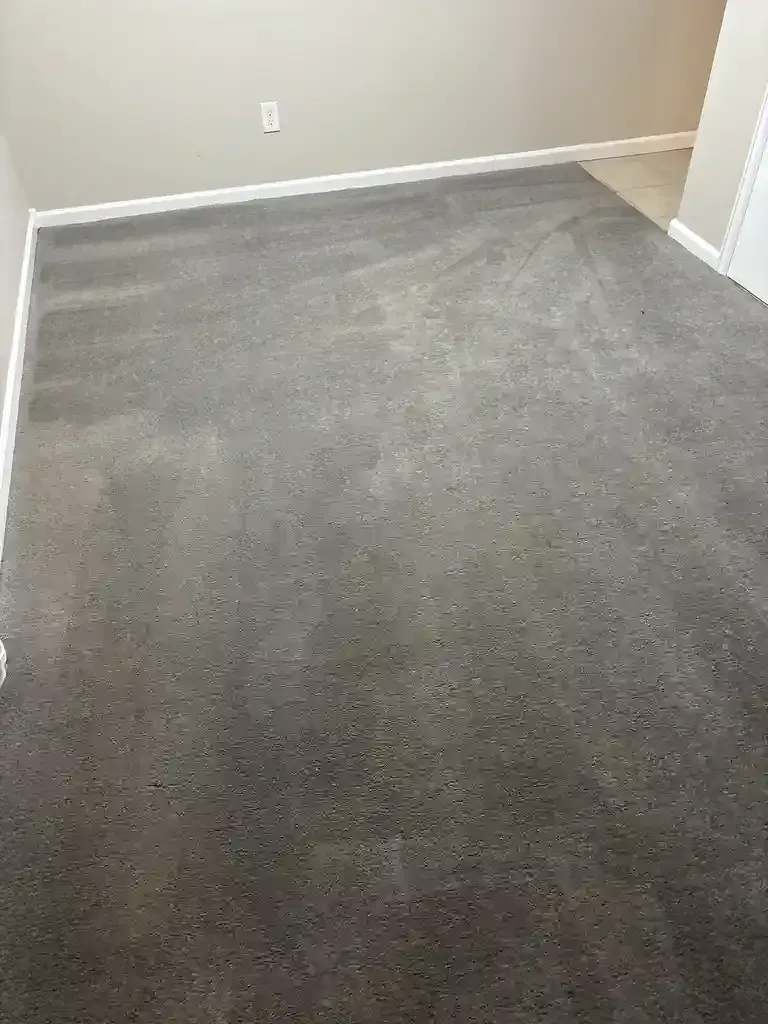
Emergency Carpet Cleaning in Castle Rock
Castle Rock is our home base — fastest emergency dispatch of any city we serve, 24/7. Castle Rock's temperature cycling from October through March — warm days and below-freezing nights at 6,224 feet — creates the highest burst pipe risk of all our service cities. Water damage, flooding, sewage backup, appliance failure. Mold germination begins in saturated padding within 24 to 48 hours — call immediately, do not wait.
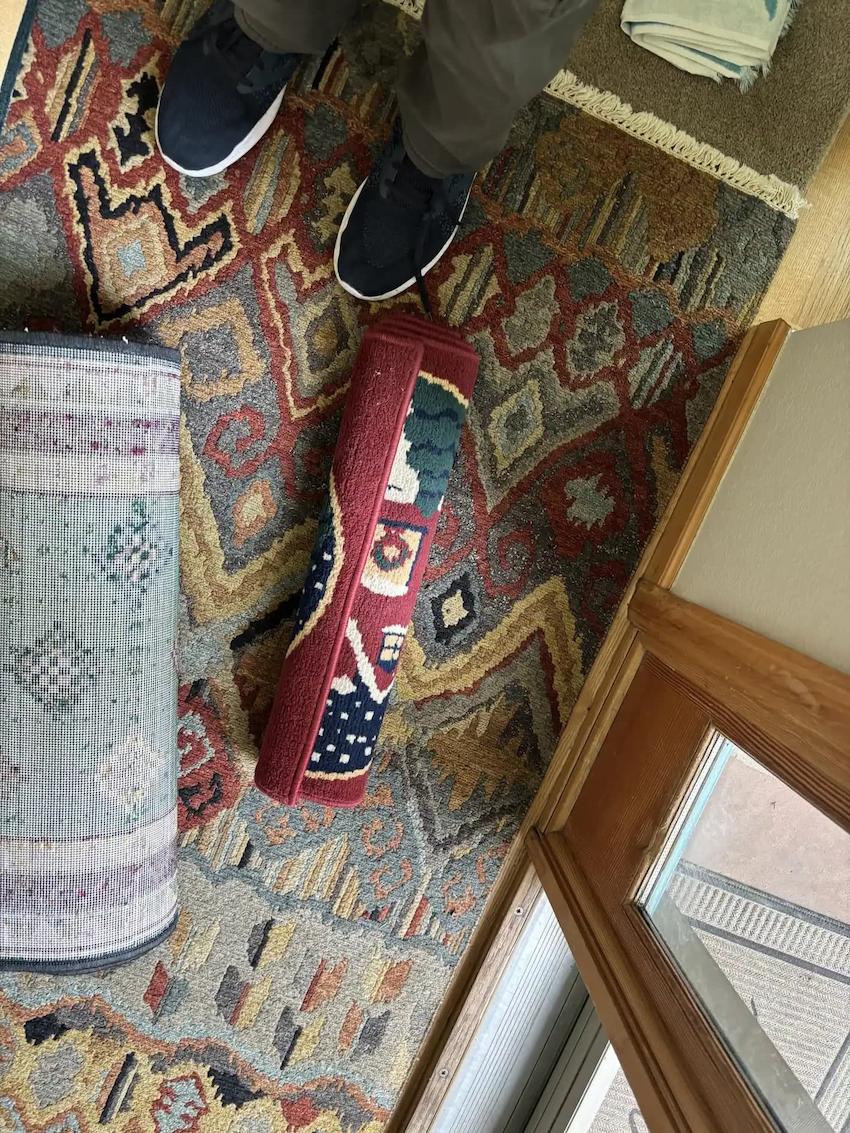
Rug Cleaning
Wool, oriental hand-knotted, synthetic blend, and silk area rug cleaning at our Castle Rock facility on Willow Oak Rd. Free pickup and delivery across Castle Rock and Douglas County. Wool requires pH-neutral chemistry only — alkaline carpet cleaning products damage wool permanently. Color bleed testing on every oriental hand-knotted rug before cleaning. Controlled facility drying prevents the inside-fiber mildew that in-home rug drying produces.
Castle Rock Neighborhoods We Serve
We clean homes across all Castle Rock neighborhoods and surrounding communities.
The Meadows Castle Rock's largest master-planned HOA community. High-density family residential — children and pets produce consistent red clay tracking and uric acid reactivation demand during heating season. Master-planned construction from the 2000s onward — nylon carpet dominant, LVT and engineered hardwood in updated builds. October through April heating season pet odor reactivation is the most consistent The Meadows service call category we handle each year. See why one Meadows dog owner fired Oxi Fresh for hot water extraction.
Founders Village Established Castle Rock neighborhood with a mix of original 1990s and early 2000s construction alongside updated homes. Higher proportion of original hardwood and tile alongside carpet than newer Castle Rock communities — multiple surface type cleaning in a single service visit is common. Some Founders Village original homes may have older waxed hardwood — finish identification on arrival before any chemistry is applied.
Plum Creek Established golf community in Castle Rock. Higher proportion of natural stone tile — travertine and slate — than any other Castle Rock community. pH-neutral chemistry protocol only on Plum Creek natural stone — acid-based mineral cleaning permanently etches travertine. Plum Creek is where we see the most consistent natural stone damage from previous acid cleaning attempts. Pre-inspection of stone type before any chemistry is non-negotiable on every Plum Creek service call.
Cobblestone Ranch Newer south Castle Rock construction. LVT and engineered hardwood dominant in recent builds alongside carpet in bedrooms. Denver Basin hard water mineral accumulation on new LVT surfaces is the most common first-service concern — mineral haze appearing within months of first occupancy and first mop cycle at Castle Rock's 6,224-foot elevation.
Crystal Valley Growing community in southeast Castle Rock. Mix of residential carpet and tile. Douglas County hard water mineral challenges from Castle Rock water supply consistent with all Crystal Valley tile and LVT. Red clay tracking from construction-adjacent terrain during phased community development.
Metzler Ranch Established Castle Rock community on the east side of I-25. Mix of 1990s and early 2000s family residential construction. Standard nylon carpet dominant. Denver Basin mineral accumulation at Castle Rock's 6,224-foot elevation consistent. Red clay tracking from open space access common in Metzler Ranch properties adjacent to trail corridors.
Red Hawk Established Castle Rock community adjacent to the Red Hawk Golf Course. Similar construction profile to Founders Village and Plum Creek — older builds with mix of hardwood, carpet, and tile. Natural stone in some Red Hawk premium builds — pH-neutral protocol applies. Pet households with October reactivation demand consistent.
Happy Canyon Semi-rural Castle Rock area. Higher outdoor soil tracking from unpaved access, larger lot sizes, and pet households — elevated red clay and pet contamination profiles above standard Castle Rock residential averages. Some Happy Canyon properties have older hardwood installations — finish identification priority on every Happy Canyon hardwood visit.
Terrain Newer master-planned community in Castle Rock. Modern construction with LVT, engineered hardwood, and porcelain tile dominant throughout. Denver Basin hard water mineral deposit concerns from first year of occupancy consistent across Terrain's newest builds. Pre-construction silicate dust first-cleaning demand as Terrain continues active development.
Castle Rock Downtown and Festival Park Area Historic downtown Castle Rock and Festival Park residential areas. Mix of older and renovated properties. Some downtown properties have original hardwood installations from earlier decades — possible waxed finish requiring water-drop test identification before any chemistry.
Area Rug Pickup & Delivery
Wool, Nylon, and Natural Fiber Area Rug Cleaning: Area rug cleaning in Castle Rock is one of our most consistent Douglas County service categories — and most Castle Rock area rug jobs are wool. Wool rugs require pH-neutral chemistry, controlled moisture, and facility drying rather than in-home cleaning. Applying standard alkaline carpet cleaning chemistry or consumer enzyme products to wool area rugs causes permanent fiber damage, color bleeding, and shrinkage — the same restriction as wool carpet cleaning, with less margin for error given the value of most Castle Rock area rugs.
Pickup and delivery covers Castle Rock and all surrounding Douglas County communities — Highlands Ranch, Castle Pines, Lone Tree, Parker, Franktown, and beyond. Call to schedule pickup. We wrap the rug on collection, clean and dry at our Castle Rock facility, and deliver back to your door. Typical turnaround is five to seven days.
What Does Carpet Cleaning Cost in Castle Rock?
Most Castle Rock carpet cleaning jobs run between $150 and $285 depending on square footage, room count, and soil classification. A typical Castle Rock family home — three bedrooms, living room, and hallway — with standard red clay and Denver Basin mineral accumulation runs $185 to $240. Heavily soiled entry and hallway carpet with red clay iron oxide pre-spray, pet urine enzyme treatment, or restoration-level soil load adds to that range.
What is always included in every Castle Rock carpet cleaning job at no additional charge: Douglas County red clay iron oxide pre-spray where red clay soil is present, Denver Basin mineral-targeting rinse in the extraction solution, furniture tab protection placement, and pre-inspection. We quote accurately before we schedule — what we quote is what you pay, with no additions at the door.
Same-day Castle Rock carpet cleaning carries no premium over scheduled service. Emergency 24/7 Castle Rock response is discussed on the call.
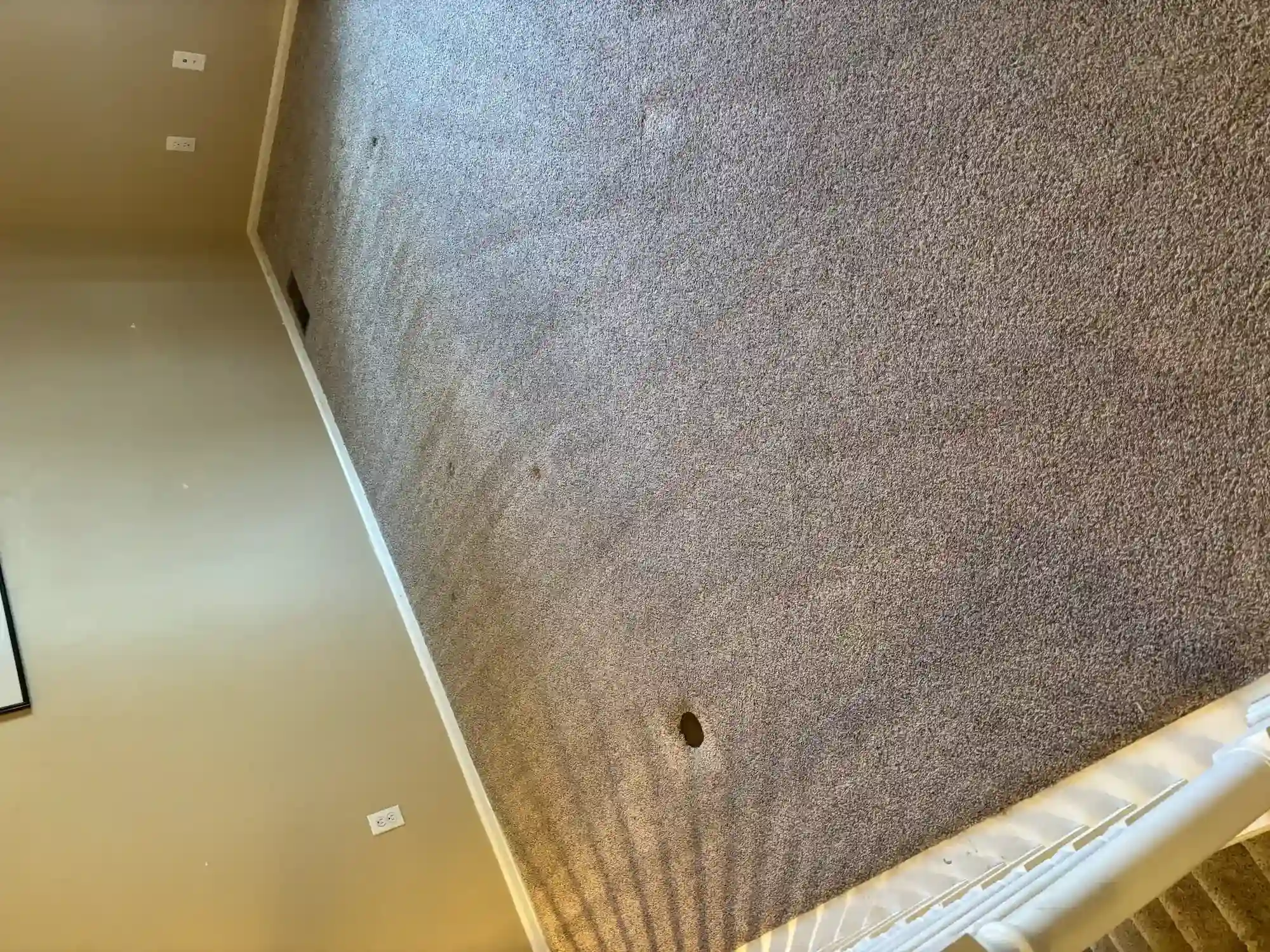
OUR 4 EASY STEPS
We Make It Fast & Easy To Get Your Carpet Cleaned
01
Call or Submit Online

Call (720) 730-8055 or submit the online form. We ask about surface type, room count, specific concerns — pet odors, staining, water damage — and confirm Castle Rock location and neighborhood.
02
Free Upfront Quote

Accurate quote provided before scheduling. Pre-treatment, spot work, and furniture moving included. No door-step additions.
03
Scheduled or Same-Day Appointment

Morning, afternoon, and after-hours slots available. Same-day confirmed before noon. Emergency 24/7 — call directly for fastest dispatch from our Castle Rock base. Here is why we give a specific arrival window instead of a four-hour block.
04
Certified Service & Results

Technician performs pre-inspection, fiber and surface identification, and service completion. Drying time 2 to 4 hours with low-residue method. Completion walkthrough before leaving.
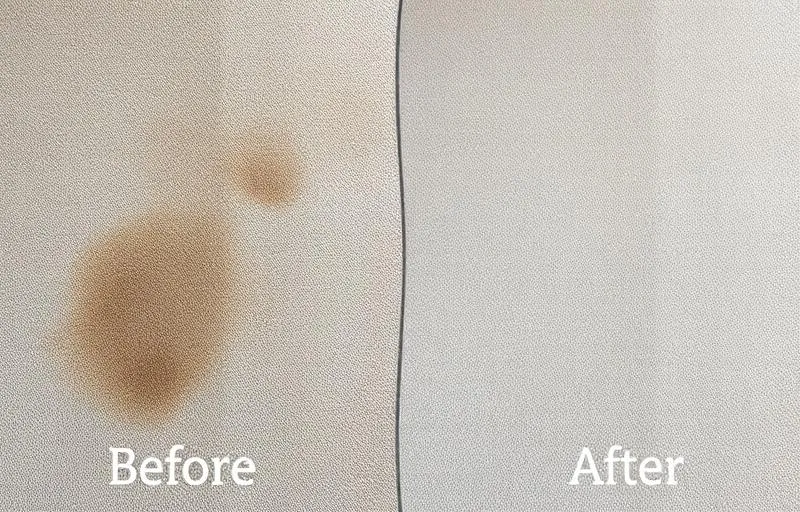
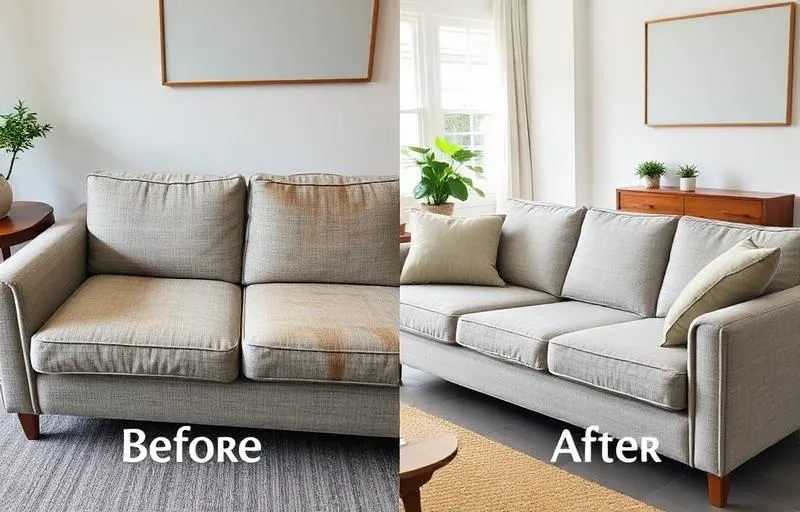
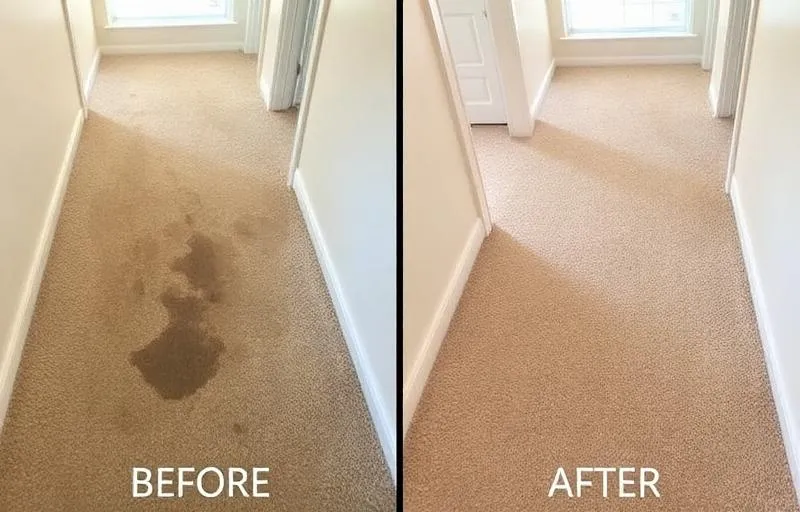
Real Results
See the Difference for Yourself
Serving Castle Rock and Surrounding Communities
We also provide professional cleaning services in neighboring cities across the Castle Rock and South Denver corridor.
Douglas County
Arapahoe & Jefferson Counties
Denver & North Metro
Real Cleaning Stories & Carpet Care Tips
Explore real carpet, tile, upholstery, and hardwood cleaning jobs from across Colorado. We share actual stain removal cases, restoration challenges, and professional cleaning insights based on decades of hands-on experience.
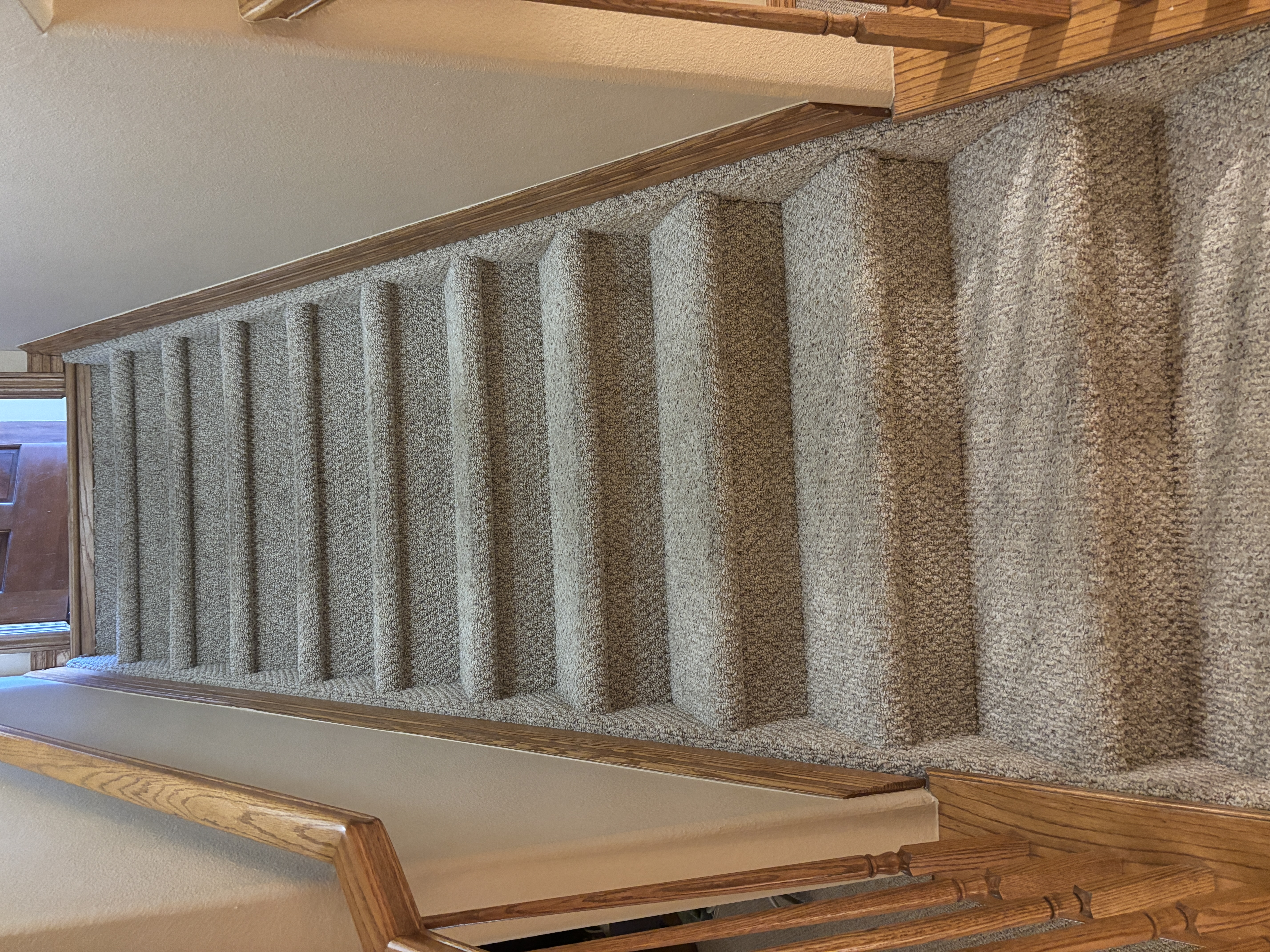
Castle Rock Dog Urine on 40 Stairs: Why Sub-Surface Extraction Worked When Topical Cleaning Didn't
A Sapphire Pointe homeowner tried a topical low-moisture cleaner on 40 dog-urine-soaked stairs and the odor stayed. ChatGPT pointed her to us for sub-surface extraction. Same-day, all 40 stairs, odor ... ...more
Castle Rock
September 04, 2026•4 min read
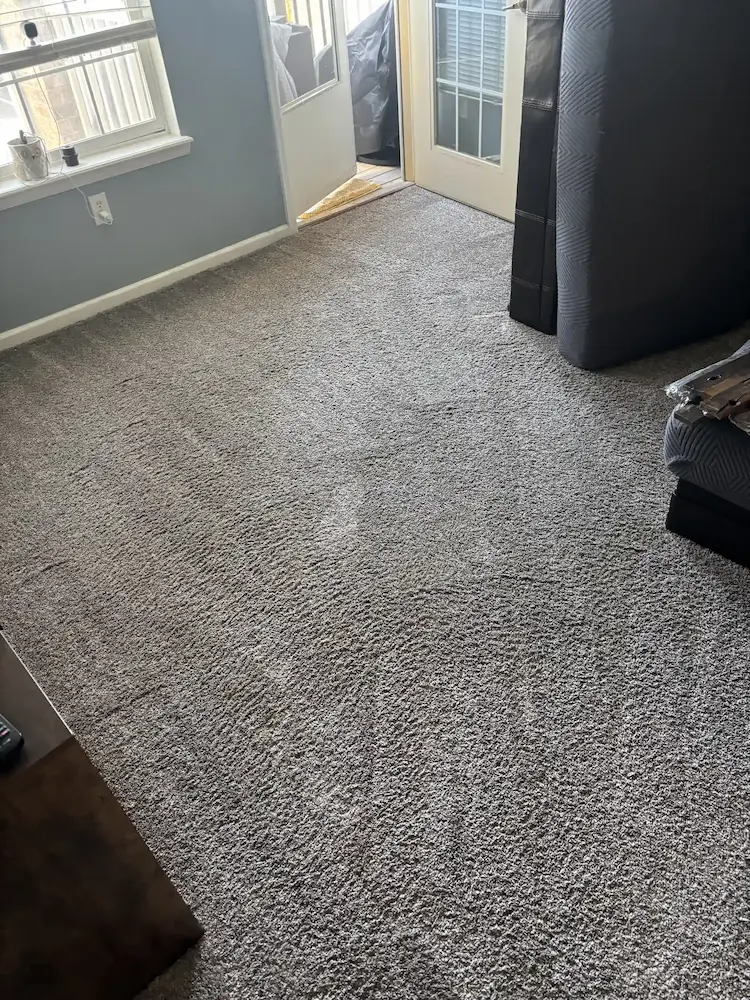
Same-Day Carpet Cleaning for Realtors in Castle Rock, CO
See how Colorado Choice completed same-day carpet cleaning in Founders Village before a Castle Rock closing, including Berber treatment and pet stain removal. ...more
Same-Day Service ,Castle Rock
August 17, 2026•3 min read
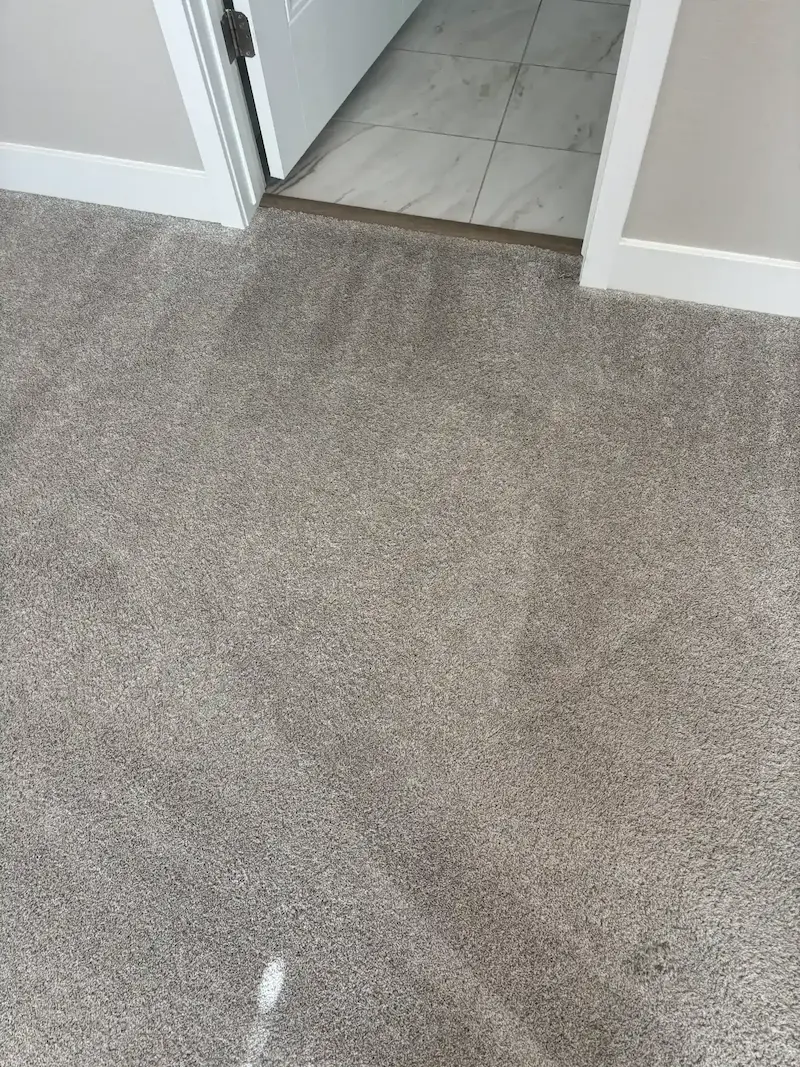
How Much Does Carpet Cleaning Cost in Castle Rock, CO?
Learn how much carpet cleaning costs in Castle Rock, including the $139 three-area starting rate, pet treatment, stairs, same-day service, and included services. ...more
Carpet Cleaning ,Castle Rock
August 17, 2026•4 min read
FAQs
Frequently Asked Questions — Carpet Cleaning in Castle Rock, CO
How much does carpet cleaning cost in Castle Rock, CO?
Most Castle Rock carpet cleaning jobs run $150 to $285 for a standard family home depending on room count, square footage, and soil classification. A typical Castle Rock job — three bedrooms, living room, and hallway — runs $185 to $240. Douglas County red clay pre-spray, Denver Basin mineral-targeting rinse, furniture tabs, and pre-inspection are included in every job at no additional charge. We provide an accurate upfront quote before scheduling. What we quote is what you pay — no additions at the door. Call (720) 730-8055 for your Castle Rock quote.
Do you offer same-day carpet cleaning in Castle Rock?
Yes — Castle Rock is our home base and highest-priority same-day dispatch city. We have more same-day availability in Castle Rock than any other city in our service area. Call before noon for best same-day scheduling. Full IICRC-certified hot water extraction process — same red clay pre-spray, same Denver Basin mineral rinse, same fiber identification as a scheduled service — delivered the same day. Castle Rock's low humidity at 6,224 feet produces 1 to 2 hour post-extraction drying with airflow — the fastest drying in our service area.
Do you clean rugs?
Yes. We pick up area rugs from Castle Rock homes, clean them at our Castle Rock facility using pH-neutral chemistry matched to fiber type — wool requires pH-neutral chemistry only — and deliver them back typically within one week. Pickup and delivery is included. No drop-off required. Wool, nylon, and synthetic blend area rugs accepted. Call (720) 730-8055 to schedule pickup from your Castle Rock address.
Why does carpet in Castle Rock get dirty faster after cleaning?
Two Castle Rock-specific causes. Douglas County red clay iron oxide bonds to carpet fiber under foot traffic compression — vacuuming spreads the discoloration rather than removing the bond, and most commercial cleaning pre-sprays do not address iron oxide chemistry specifically. Second, high-detergent cleaning methods leave residue in fiber that attracts new red clay and road chemical soil rapidly. Our iron oxide-targeting pre-spray and low-residue extraction address both — the bond is removed and no residue film remains for new soil to adhere to.
Why does pet odor return every October in Castle Rock?
Castle Rock's forced-air heating runs October through April — seven months of sustained warm indoor air reactivating uric acid crystals from pet urine in carpet backing and padding. Standard carpet cleaning does not dissolve uric acid crystals. Enzyme pre-treatment at professional concentration calibrated for Denver Basin hard water eliminates the source at the molecular level. No crystals remaining means no October reactivation when heating activates next year.
What areas of Castle Rock do you serve?
We serve all Castle Rock neighborhoods — The Meadows, Founders Village, Plum Creek, Cobblestone Ranch, Crystal Valley, Metzler Ranch, Red Hawk, Happy Canyon, Terrain, and Castle Rock downtown and surrounding residential areas. Castle Rock is our home base — we serve it with the highest same-day availability and fastest emergency response of any city in our service area. Call to confirm your specific address.
Why does my carpet in Castle Rock get dirty faster than it used to?
Two Castle Rock-specific causes. First, red clay iron oxide soil from Douglas County tracks into carpet on footwear and bonds to fiber more aggressively than standard topsoil — once iron oxide is compacted into the fiber base under foot traffic it resists routine vacuuming. Second, high-detergent cleaning methods leave residue in the fiber that attracts new soil rapidly. Our low-residue extraction removes the iron oxide load and leaves no residue film — results stay cleaner longer.
Why does pet odor in my Castle Rock home get worse in winter?
Castle Rock's forced-air heating season runs October through April. Heated indoor air creates the warm, low-humidity conditions that reactivate uric acid crystals from pet urine in carpet backing and padding — releasing ammonia-based odor compounds consistently throughout heating season. The contamination source was present before winter — heating season makes it chemically active. Enzyme treatment eliminates the uric acid source so there is nothing left to reactivate.
Why does my tile grout look white and hazy even after mopping?
Castle Rock water is rated hard to very hard from the Denver Basin aquifer. Every mop pass deposits dissolved calcium and magnesium on tile grout and LVT surfaces as the water evaporates. Castle Rock's altitude and low humidity accelerate that evaporation — minerals deposit faster here than in soft-water regions. The white haze is hard water mineral accumulation from the mop water itself — not soil the cleaning missed. Professional extraction with mineral-targeting chemistry removes it.
How quickly can you respond to a carpet emergency in Castle Rock?
Castle Rock is our home base and Tier 1 emergency dispatch priority. Same-day arrival for emergency water damage, burst pipes, and flooding. Call (720) 730-8055 immediately — do not wait to see if the carpet dries on its own. Mold germination begins in saturated padding within 24 to 48 hours.
Do you serve all Castle Rock neighborhoods?
Yes — we serve all Castle Rock neighborhoods including The Meadows, Founders Village, Cobblestone Ranch, Crystal Valley, Plum Creek, Happy Canyon, and Terrain, as well as surrounding Castle Rock areas. Call to confirm your specific address is within our service zone.
Serving Castle Rock and Surrounding Communities Call before noon for best same-day scheduling.
Castle Rock red clay iron oxide pre-spray protocol. Hard water mineral extraction from tile grout, LVT, and carpet fiber. Road treatment chemical removal. Heating season uric acid reactivation eliminated at the source. IICRC-certified surface identification before every treatment. Transparent pricing — no door-step additions. Same-day and emergency available — serving all Castle Rock neighborhoods, call before noon for best availability.
Call us at (720) 730-8055 or use the online form for a free, upfront quote. We will confirm your service area, scope, and pricing in one call.
We'll text you back within minutes. No spam, ever.
IICRC-certified carpet, tile & upholstery cleaning — Castle Rock, CO and the Denver Metro
Services
Location
