🔥 Limited Time Online Only Special — 3 Rooms + Hallway $119 | Book This Week → Claim Offer

Emergency Carpet Cleaning — Denver Metro
When water saturates carpet — from a burst pipe, flooding, appliance failure, or sewage backup — mold begins germinating in carpet padding within 24 to 48 hours. Every hour of delayed response increases secondary damage risk and narrows the window for full carpet recovery. Colorado Choice Carpet Cleaning provides emergency carpet cleaning across the Denver Metro with same-day arrival, professional water extraction equipment, and IICRC-certified protocols.
Call now. Do not wait to see if it dries on its own.
✅ 24/7 Emergency Response
🚨 Same-Day Arrival
💧 Water Extraction & Mold Prevention
🔬 IICRC-Certified Protocol
📍 Denver Metro & Surrounding Cities
Fully certified for carpet, tile & upholstery

Trusted, vetted, and held to the highest standards.

Complete satisfaction or we come back free

5-Star Rated on Google

Business Rate Award Winner 2026
Approved By 300+ Of Denver Metro Customers ✅
The Emergency Carpet Damage Timeline — Why Every Hour Counts
0 to 24 Hours — The Extraction Window
Carpet fiber, backing, and padding absorb moisture actively in the first hours after saturation. The surface may feel damp rather than soaked — below the surface, padding is saturated and moisture migrates toward the sub-floor. Professional extraction within this window produces the highest recovery outcome. Carpet extracted within 24 hours — padding dried or replaced, sub-floor moisture addressed — has the greatest chance of full restoration without mold involvement.
24 to 48 Hours — Mold Germination Begins
Saturated carpet padding provides the three conditions mold requires simultaneously — moisture, warmth, and organic nutrient source. At 24 to 48 hours in standard Castle Rock indoor temperatures, mold germination begins in padding. Once mold establishes, surface extraction alone does not resolve the situation. Padding removal and sub-floor treatment are required — a significantly larger scope than emergency extraction within the first window.
Beyond 48 Hours — Secondary Damage
Delay beyond 48 hours produces secondary damage — mold colonies establish in padding and migrate to carpet backing and sub-floor. Wood sub-floors warp and delaminate. Concrete develops efflorescence from mineral migration. Restoration scope expands significantly with every additional hour. The most expensive emergency carpet cleaning outcome is one where extraction was delayed waiting to see if the carpet dried independently.
Emergency Carpet Situations — What We Respond To
Burst Pipes and Plumbing Failures
Burst supply pipes are the most common emergency trigger in Castle Rock — particularly during Colorado's November to March temperature cycling when supply lines in exterior walls, crawl spaces, and unheated areas are most vulnerable. A single burst supply line discharges hundreds of gallons before the water main is shut off. Clean water intrusion from a burst supply pipe is Category 1 — lowest contamination risk, highest recovery rate when extracted promptly.
Appliance Leaks and Overflow
Dishwasher supply line failure, washing machine overflow, refrigerator ice maker line failure, and water heater tank rupture are Category 1 to Category 2 events depending on the water source. Often discovered after hours of undetected discharge — making prompt extraction critical to stay within the mold prevention window.
Flooding — Storm Water and Basement Intrusion
Storm water intrusion through basement windows, foundation cracks, or drainage overload is Category 2 or Category 3 depending on the intrusion pathway. Ground water and storm runoff carry outdoor contaminants — biological material, soil particulate, chemical residue — requiring contamination assessment in addition to water extraction.
Sewage Backup
Sewage backup is Category 3 — black water — the highest contamination classification. Contains human waste, bacteria, and biological pathogens. Requires biohazard extraction protocol with appropriate PPE and disinfection chemistry. Carpet and padding disposal is the standard recommendation for Category 3 contamination — restoration is not appropriate in most sewage backup situations.
Emergency Pet Contamination
Large-volume or chronic pet urine contamination discovered suddenly — particularly where saturation has reached the sub-floor — warrants emergency response. UV light maps the full contamination zone. Enzyme pre-treatment at restoration concentration applied before sub-surface extraction. Sub-floor assessed for sealing requirement.
Emergency Stain Events
High-stakes spills — large-volume wine on light carpet before a showing, chemical spills requiring immediate neutralization, dye or ink events affecting a large area — warrant emergency same-day response when the stain type and timing create a closing window for successful removal.
Emergency Commercial Carpet Cleaning
Offices, retail spaces, restaurants, and managed properties face emergency situations with operational urgency beyond residential events. Water damage in an office overnight must be addressed before staff arrive. We provide emergency commercial carpet cleaning with after-hours arrival and rapid dispatch across the Denver Metro.
Water Damage Classification — Category 1, 2, and 3
Understanding water contamination category determines the extraction protocol and realistic recovery outcome before work begins.
Category 1 — Clean Water — burst supply pipes, appliance supply line failure, clean rainwater intrusion. Lowest contamination risk. Highest carpet recovery rate when extracted within 24 hours. Standard extraction and cleaning protocol.
Category 2 — Grey Water — washing machine overflow, dishwasher discharge, toilet overflow without feces. Contains microbiological contamination requiring disinfection protocol in addition to extraction. Carpet recovery possible with prompt response. Padding replacement typically required.
Category 3 — Black Water — sewage backup, toilet overflow with feces, storm drain flooding, ground surface water intrusion. Highest contamination level — human pathogens, bacteria, viruses. Biohazard extraction protocol required. Carpet and padding disposal is the standard recommendation. Restoration of Category 3-contaminated carpet is not appropriate in most situations.
Our Emergency Carpet Cleaning Process — Call to Completed Extraction
Emergency Call Assessment
We gather critical information immediately — water intrusion source, estimated discharge volume, area affected, standing water presence, and saturation duration. This allows correct equipment dispatch and an accurate arrival estimate. Category 3 situations receive safety guidance before arrival.
On-Site Damage Assessment
Water intrusion classification confirmed on arrival — Category 1, 2, or 3. Moisture meters measure saturation in carpet fiber, padding, and sub-floor to establish the full extent beyond what is visually apparent. Saturation extends beyond visibly wet carpet surface in most emergency situations.
Standing Water Extraction
High-volume water extraction pumps remove bulk standing water before truck-mounted extraction begins — stopping active absorption into padding and sub-floor as rapidly as possible.
Truck-Mounted Hot Water Extraction
Truck-mounted extraction delivers higher suction volume than portable extractors — critical for emergency situations where maximum moisture removal in minimum time is the priority. Multiple extraction passes continue until moisture meter readings confirm carpet and padding have reached the lowest achievable moisture level. Portable extractors deployed for areas inaccessible to the truck-mounted system.
Padding Assessment — Restore or Replace
Padding saturated for less than 24 hours in a Category 1 event may be salvageable in some cases with aggressive drying. Padding saturated beyond 24 hours, padding from Category 2 or 3 events, and any padding showing mold presence is removed and replaced. Moisture retention capacity of saturated padding makes in-place drying unreliable and mold risk unacceptable.
Sub-Floor Moisture Treatment
Sub-floor moisture confirmed by moisture meter after padding removal. Concrete sub-floors with elevated moisture receive drying treatment and sealing assessment. Wood sub-floors assessed for warping and structural integrity. Sub-floor sealing applied where moisture penetration indicates ongoing odor or mold risk.
Drying Protocol and Guidance
Post-extraction drying requirements confirmed — airflow, dehumidification, and re-inspection timeline specific to carpet type, padding status, and sub-floor material. We advise on conditions required to reach safe moisture levels before reinstallation or return to use.
Emergency Carpet Cleaning Across the Denver Metro — Colorado-Specific Emergency Risks
Winter Pipe Bursts
Castle Rock's temperature cycling — warm days and below-freezing nights from November through March — stresses supply lines in exterior walls, garages, and crawl spaces. Rapid temperature drops cause pressure cycling that leads to fitting failure and pipe splitting. Burst pipe emergencies peak during Colorado cold snaps. We respond to pipe burst emergencies throughout the Denver Metro — including Castle Rock, Douglas County, and surrounding cities — regardless of time of day.
Spring Snowmelt and Basement Flooding
Castle Rock's elevation and surrounding terrain concentrate spring snowmelt runoff toward lower-lying properties and basement-level spaces. Heavy spring snowpack — common in Douglas County at 6,000+ feet — produces flooding when melt rate exceeds drainage capacity. Spring basement flooding is a recurring emergency for Castle Rock and Highlands Ranch homeowners in properties without adequate waterproofing.
Colorado Hail and Storm Water Intrusion
Colorado severe storm season produces hail events that damage roofing and allow water intrusion into attic and ceiling structures — reaching flooring below. Storm-driven intrusion is classified by pathway — clean attic intrusion may be Category 1, compromised exterior wall intrusion may be Category 2. Contamination classification confirmed on arrival.
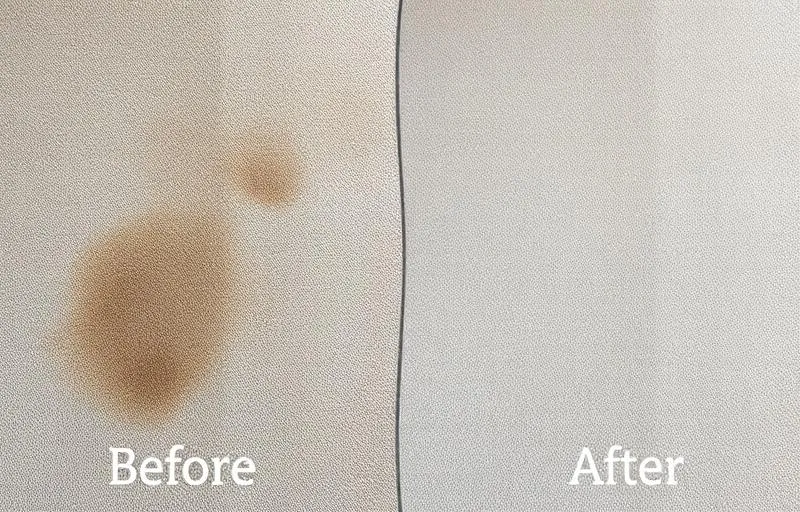
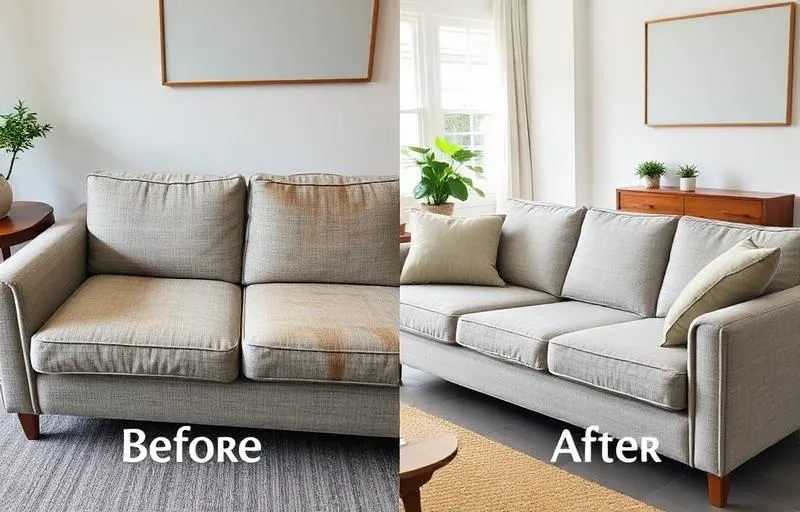
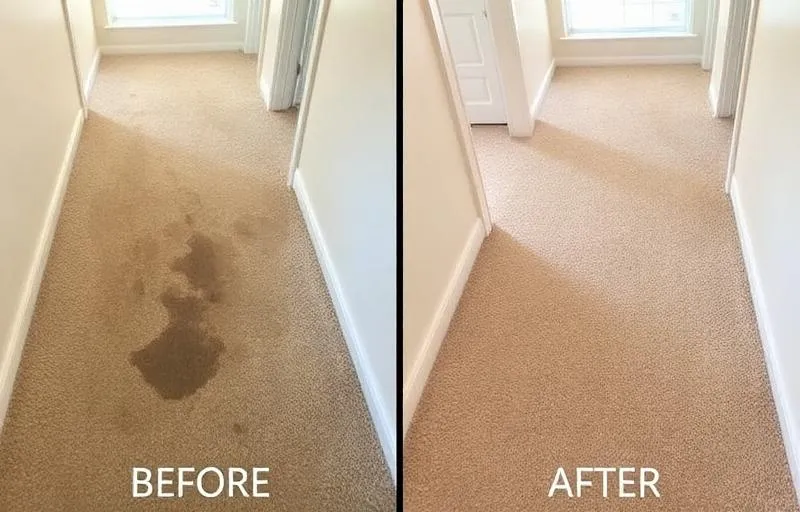
Real Results
See the Difference for Yourself
Emergency Carpet Cleaning Service Areas — Denver Metro and Surrounding Cities
We provide 24/7 emergency carpet cleaning across 15+ cities in the Denver Metro — same extraction equipment, same IICRC-certified protocol, same rapid dispatch. Fastest response times in Douglas County due to dispatch proximity.
Douglas County
Arapahoe & Jefferson Counties
Denver & North Metro
Real Cleaning Stories & Carpet Care Tips
Explore real carpet, tile, upholstery, and hardwood cleaning jobs from across Colorado. We share actual stain removal cases, restoration challenges, and professional cleaning insights based on decades of hands-on experience.
Denver Basin Hard Water: Why Carpet Feels Gritty
Learn how Denver Basin hard water affects carpet cleaning, leaves mineral residue, and why softened water helps carpets feel cleaner and softer. ...more
Castle Pines
August 17, 2026•6 min read
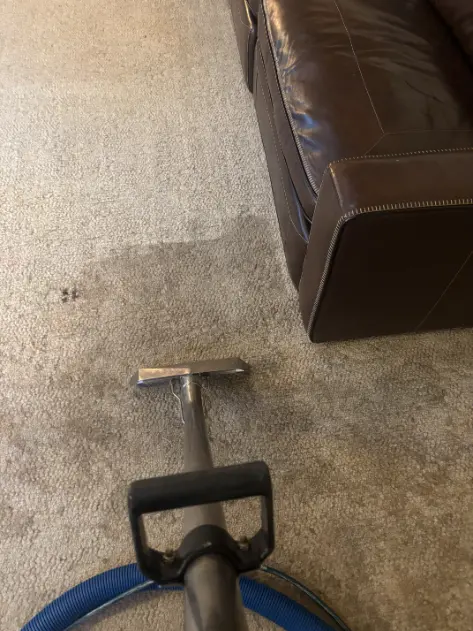
Who Actually Does Emergency Carpet Cleaning in Castle Pines? Here's What You Need to Know Before Water Damage Sets In
Get 24/7 emergency carpet cleaning in Castle Pines for water damage. Colorado Choice provides fast extraction, drying, sanitizing, and padding replacement. ...more
Castle Pines ,Emergency Cleaning
August 14, 2026•4 min read
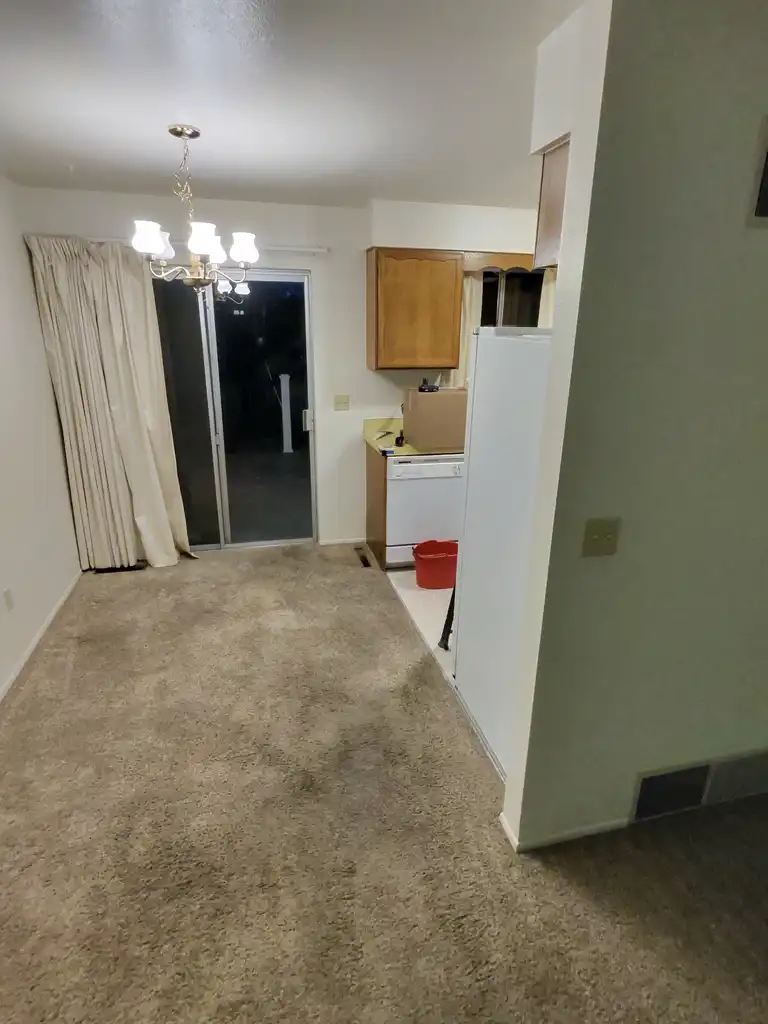
LVP Floor Cleaning Castle Pines | Remove Murphy's Oil Soap Residue
See how professional LVP cleaning removed Murphy's Oil Soap residue from 1,500 sq ft of luxury vinyl plank in Castle Pines using a Bona PowerScrubber. ...more
Castle Pines ,LVP Floor Cleaning
July 09, 2026•4 min read
FAQs
Frequently Asked Questions — Emergency Carpet Cleaning
How quickly can you arrive for an emergency carpet cleaning?
Same-day arrival across Castle Rock and the Denver Metro. Tier 1 cities — Castle Rock, Highlands Ranch, Littleton, Lone Tree, Castle Pines — receive fastest response due to proximity. Call (720) 730-8055 and we confirm arrival time immediately based on your location and current dispatch.
Should I try to dry the carpet myself before calling?
No. Consumer fans and towel blotting remove surface moisture only — they do not extract moisture from padding and sub-floor where mold risk originates. Running fans over saturated carpet without professional extraction can accelerate mold germination by warming damp padding. Call immediately. Do not use DIY drying as a substitute for professional extraction.
Can water-damaged carpet always be saved?
Recovery depends on contamination category, saturation duration, and carpet type. Category 1 extracted within 24 hours — highest recovery rate, carpet and padding often fully restorable. Category 2 — padding replacement typically required, carpet restoration possible. Category 3 sewage backup — carpet and padding disposal is the standard recommendation. We assess on arrival and advise honestly before work begins.
Will my carpet have mold if it was wet for two days?
Mold germination begins at 24 to 48 hours in warm, moist indoor conditions. Carpet saturated for approximately two days at standard Castle Rock indoor temperatures — mold is likely present in padding. If mold is present, padding removal is required. Extraction and drying alone does not resolve established mold colonies in padding.
Do you handle sewage backup carpet cleaning?
Yes — with Category 3 biohazard protocol. Sewage backup is classified as black water contamination. We apply appropriate PPE and biohazard extraction protocol on arrival and provide honest guidance on carpet and padding restoration versus disposal based on contamination level and saturation extent.
Do you provide emergency commercial carpet cleaning?
Yes. Water damage in offices, retail spaces, restaurants, and managed properties — after-hours arrival and rapid dispatch across the Denver Metro. Commercial emergency situations scoped on the call and dispatched based on facility location and urgency level.
Emergency Carpet Cleaning Across the Denver Metro — Call Now, Arrive Today
Water damage, flooding, sewage backup, burst pipe — any carpet emergency that cannot wait. The 24 to 48 hour mold window is the biological timeline of saturated carpet padding — not a guideline. IICRC-certified emergency protocol. Truck-mounted extraction. Moisture meter assessment. Padding evaluation. Sub-floor treatment. 23 years responding to carpet emergencies across the Denver Metro.
Call us at (720) 730-8055 or use the online form for a free, upfront quote. We will confirm your service area, scope, and pricing in one call.
We'll text you back within minutes. No spam, ever.
IICRC-certified carpet, tile & upholstery cleaning — Castle Rock, CO and the Denver Metro
Services
Location
