🔥 Limited Time Online Only Special — 3 Rooms + Hallway $119 | Book This Week → Claim Offer


5-Star Rated · IICRC Certified · 23+ Years
Emergency Carpet Cleaning in Lone Tree, CO — 24/7 Rapid Response for Water Damage and Flooding
Water in your Lone Tree carpet right now — mold germination starts in 24 to 48 hours. Burst pipe, appliance failure, flooding. Call immediately — the window starts from saturation, not from when you call.
When water saturates carpet in a Lone Tree home — from a burst pipe during a January cold snap in Stonebridge, a dishwasher supply line failure in a new RidgeGate build, or spring snowmelt flooding a basement in Acres Green — mold begins germinating in carpet padding within 24 to 48 hours. Colorado Choice Carpet Cleaning responds to Lone Tree emergency carpet cleaning calls 24/7 with same-day arrival, professional water extraction equipment, and IICRC-certified protocols that prevent mold establishment when the response happens within the critical window.
Fully certified for carpet, tile & upholstery

Trusted, vetted, and held to the highest standards.

Complete satisfaction or we come back free

5-Star Rated on Google
Approved By 300+ Of Lone Tree Customers ✅
The Emergency Carpet Damage Timeline — Why Every Hour Counts
0 to 24 Hours — The Extraction Window
In the first hours after water saturation, carpet fiber, backing, and padding are absorbing moisture actively. The carpet surface may feel damp rather than soaked — below the surface, padding is saturated and moisture is migrating toward the sub-floor. Professional extraction within this window produces the highest recovery outcome. Lone Tree clean water events — burst supply pipe, appliance line failure — extracted within 24 hours with padding dried or replaced and sub-floor moisture addressed have the greatest chance of full restoration without mold involvement. This is the window that matters most. Every hour inside it counts.
24 to 48 Hours — Mold Germination Begins
Saturated carpet padding provides the three conditions mold requires simultaneously — moisture, warmth, and organic nutrient source. At standard Lone Tree indoor temperatures during heating season — 65°F to 72°F from October through April — mold germination begins in padding at the 24 to 48 hour mark. Once mold establishes, surface extraction alone does not resolve the situation. Padding removal and sub-floor treatment become required — a significantly larger scope and cost than emergency extraction within the first window. Every additional hour of delay after the 24-hour mark expands the remediation scope.
Beyond 48 Hours — Secondary Damage
Delay beyond 48 hours produces secondary damage — mold colonies establish in padding and migrate to carpet backing and sub-floor. OSB plywood sub-floors warp and delaminate. Concrete sub-floors develop efflorescence from mineral migration. Lone Tree Denver Basin hard water adds a secondary concern — mineral-laden flood water leaves calcium and magnesium residue in carpet fiber as it dries, requiring pH-neutral post-extraction treatment on top of standard water damage cleaning. Do not wait to see if the carpet dries on its own. Call immediately — the window starts from saturation.
Emergency Carpet Situations Specific to Lone Tree
RidgeGate New Construction — Appliance Fitting Failures
RidgeGate is Lone Tree's newest development — and new construction consistently produces appliance fitting failures in first occupancy years as installations settle and fittings experience first-year pressure cycling. Dishwasher supply line failure, refrigerator ice maker line failure, and washing machine overflow are the most common RidgeGate emergency water events — often discovered after hours of undetected discharge when appliances run overnight. The finished basement living areas adjacent to main-floor kitchens in RidgeGate properties create the highest risk of significant carpet saturation before the event is discovered. Same-day extraction critical to stay within the 24-hour mold prevention window.
Stonebridge — Older Plumbing and Temperature Cycling Risk
Stonebridge homes from the 1990s and early 2000s have plumbing approaching or past optimal supply line replacement age. Lone Tree temperature cycling from October through March — warm days and below-freezing nights — stresses supply lines in exterior walls, unheated garages, and crawl spaces in these older Stonebridge properties. January and February cold snaps are the peak burst pipe period for Lone Tree — the months with the most severe overnight temperature differential. A single burst supply line discharges hundreds of gallons before the water main is shut off — clean water with the highest recovery rate when extracted within 24 hours.
Douglas County Elevation — Spring Snowmelt Basement Flooding
Douglas County elevation — 5,900 to 6,100 feet in Lone Tree — produces significant spring snowpack that concentrates melt runoff toward lower-lying properties and basement-level living spaces from April through May. Acres Green and Stonebridge properties in drainage convergence zones experience spring basement flooding as a recurring emergency for homeowners without adequate waterproofing or sump pump systems. Ground water and storm runoff intrusion carries outdoor contaminants and Douglas County red clay iron oxide — requiring contamination assessment in addition to water extraction.
Park Meadows and Sky Ridge Commercial Emergency Response
Lone Tree's Park Meadows commercial corridor and Sky Ridge Medical Center area generate commercial water damage emergencies outside business hours — office suite pipe failures overnight, retail flooding from roof drain backflow, and medical facility water damage requiring immediate extraction before morning operations. We provide after-hours commercial emergency response for Lone Tree commercial tenants with same-day arrival from our Castle Rock base.
Lone Tree Denver Basin Hard Water in Flood Water
Denver Basin aquifer water at hard to very hard rating carries dissolved calcium and magnesium that remains in carpet fiber as flood water is extracted and the carpet dries. Lone Tree water damage events leave a hard water mineral residue in carpet fiber that soft-water flooding does not produce — requiring pH-neutral mineral-targeting treatment after standard water damage extraction chemistry. This Lone Tree-specific post-extraction step is included in our emergency protocol for every Lone Tree water damage event.
WATER DAMAGE CLASSIFICATION
Water Damage Classification — What Category Determines Protocol and Recovery
Clean Water Events Burst supply pipes, appliance supply line failure, clean rainwater intrusion. Lowest contamination risk. Highest carpet recovery rate when extracted within 24 hours. Standard extraction and cleaning protocol with Lone Tree hard water mineral residue treatment. Most common Lone Tree winter emergency — RidgeGate appliance failures and Stonebridge burst pipes during temperature cycling.
Grey Water Events Washing machine overflow, dishwasher discharge, toilet overflow without feces, basement flooding with soil contamination. Microbiological contamination requiring disinfection protocol in addition to extraction. Carpet recovery possible with prompt response. Padding replacement typically required. Douglas County spring snowmelt basement flooding — red clay iron oxide in runoff water requires contamination assessment alongside extraction.
Black Water Events Sewage backup, toilet overflow with feces, storm drain flooding, outdoor ground surface water after extended contact. Highest contamination level — human pathogens, bacteria, viruses. Biohazard extraction protocol required. Carpet and padding disposal is the standard recommendation — we assess on arrival and advise honestly on restoration versus disposal before work begins.
Our Emergency Carpet Cleaning Process for Lone Tree Homes
Step 1 — Emergency Call Assessment
Lone Tree emergency calls receive immediate assessment — water source, estimated discharge volume, area affected, standing water presence, and saturation duration confirmed on the call. Water contamination level confirmed based on source description. RidgeGate new construction appliance failure context noted. Stonebridge older plumbing burst pipe scope confirmed. Dispatch begins immediately after call confirmation — same-day arrival across all Lone Tree neighborhoods.
Step 2 — On-Site Damage Assessment
Water contamination level confirmed on arrival. Moisture meters measure saturation in carpet fiber, padding, and sub-floor — establishing the full extent of saturation beyond the visibly wet carpet surface. Lone Tree emergency situations consistently show saturation extending beyond the visible wet area — lateral spread through padding under pressure from the water event. Lone Tree hard water mineral concentration in flood water noted for post-extraction treatment planning.
Step 3 — Standing Water Extraction and Truck-Mounted Extraction
High-volume water extraction pumps remove bulk standing water before truck-mounted extraction begins. Truck-mounted extraction delivers the highest suction volume available — significantly higher than portable commercial extractors critical for Lone Tree volume events. Multiple extraction passes continue until moisture meter readings confirm carpet and padding have reached the lowest achievable moisture level. Disinfection chemistry applied based on contamination level confirmed on arrival.
Step 4 — Padding Assessment, Sub-Floor Treatment, and Hard Water Mineral Protocol
Padding saturated for less than 24 hours in a clean water event — assessed for salvage potential. Padding saturated beyond 24 hours, grey or black water events, and any padding with mold presence — removed and replaced. Sub-floor moisture confirmed by moisture meter after padding removal. OSB plywood sub-floors in Stonebridge and older Lone Tree homes assessed for warping and structural integrity. Lone Tree Denver Basin hard water mineral residue in carpet fiber — pH-neutral mineral-targeting treatment applied after standard extraction chemistry as the Lone Tree-specific post-extraction step.
OUR 4 EASY STEPS
What to Do Right Now — Emergency Carpet Cleaning in Lone Tree
01
Step 1 — Call Immediately

Call (720) 730-8055 now. Water source, area affected, standing water presence, and saturation duration confirmed on the call. Do not wait to assess further — dispatch begins immediately after call confirmation. The mold germination window starts from saturation, not from when you call.
02
Step 2 — On-Site Arrival and Damage Assessment

Moisture meter assessment of full saturation extent. Water contamination level confirmed on arrival. Lone Tree hard water mineral concentration in flood water noted. Treatment scope confirmed and discussed before work begins.
03
Step 3 — Emergency Extraction

Standing water pump extraction where required. Truck-mounted hot water extraction — multiple passes until moisture meter confirms minimum achievable saturation. Disinfection chemistry applied based on contamination level confirmed on arrival.
04
Step 4 — Padding Assessment, Sub-Floor Treatment, and Mineral Protocol

Padding salvage or replacement decision made on arrival assessment. Sub-floor moisture addressed. Lone Tree hard water mineral residue treated with pH-neutral mineral-targeting chemistry. Drying guidance provided specific to Lone Tree indoor conditions.
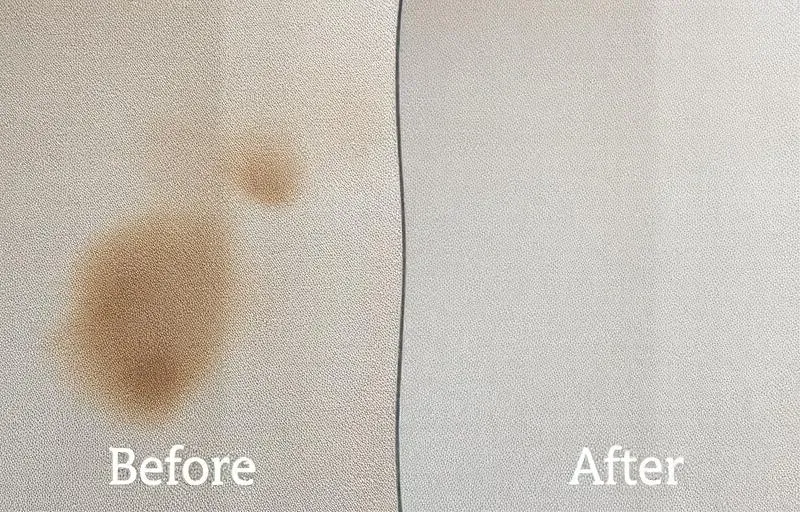
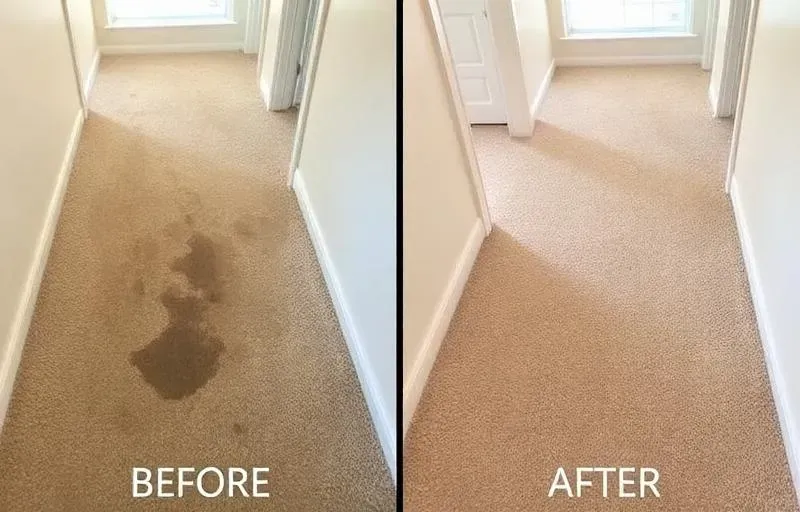
Real Results
See the Difference for Yourself

Related Services and Pages
Lone Tree City Hub
Same-Day Carpet Cleaning in Lone Tree
Lone Tree Specialized Sections
Carpet Cleaning in Lone Tree
Stain and odor cleaning in Lone Tree
Tile & Grout Cleaning in Lone Tree
LVT Floor Cleaning in Lone Tree
Commercial Cleaning in Lone Tree
FAQs
Frequently Asked Questions — Emergency Carpet Cleaning in Lone Tree
How quickly can you arrive for a carpet emergency in Lone Tree?
We respond to Lone Tree emergency calls 24/7 with same-day arrival from our Castle Rock base. Call (720) 730-8055 immediately on discovery of water damage — we confirm arrival time on the call based on current dispatch. Do not wait to assess the damage further before calling. Every hour inside the 24-hour extraction window matters — the mold germination clock starts from saturation, not from when you call.
Should I try to dry the carpet myself before calling?
No. Consumer fans and towel blotting remove surface moisture only — they do not extract moisture from padding and sub-floor where mold risk originates. Running fans over saturated carpet without professional extraction can actually accelerate mold germination by warming the damp padding. Call immediately and do not attempt DIY drying as a substitute for professional extraction — it delays the professional response without preventing mold establishment.
My Lone Tree carpet has been wet for 36 hours — is it too late?
36 hours in Lone Tree indoor temperatures places you within or past the mold germination window. Mold may be establishing in the padding. Call immediately — even past the 24-hour optimal window, professional extraction limits further damage, removes any establishing mold load, and allows accurate assessment of padding and sub-floor condition. Delaying further expands the remediation scope significantly. Extraction now prevents what extraction tomorrow cannot address.
Does Lone Tree hard water affect water damage cleaning?
Yes — a Lone Tree-specific consideration. Denver Basin aquifer water at hard to very hard rating carries dissolved calcium and magnesium that deposits as mineral residue in carpet fiber as flood water is extracted and the carpet dries. This hard water mineral residue requires pH-neutral mineral-targeting treatment after standard water damage extraction chemistry — an additional step specific to Lone Tree hard water flood events that we include in every Lone Tree emergency protocol.
Do you serve all Lone Tree neighborhoods for emergency carpet cleaning?
Yes — RidgeGate, Stonebridge, Carriage Club, Acres Green, Heritage Hills, Village at Lone Tree, and all Lone Tree residential and commercial addresses. Serving all Lone Tree neighborhoods — same-day slots fill fast, call before noon.
Emergency Carpet Cleaning in Lone Tree — Call Now, Same-Day Arrival
Burst pipe in Stonebridge. Appliance failure in RidgeGate. Spring snowmelt flooding in Acres Green. Sky Ridge and Park Meadows commercial water damage after hours. Mold germination in 24 to 48 hours from saturation — not from when you call. Lone Tree Denver Basin hard water mineral residue treatment included in every emergency protocol. IICRC-certified water extraction. Truck-mounted high-volume equipment. Moisture meter assessment. Padding evaluation and sub-floor treatment. 24/7 response. Serving all Lone Tree neighborhoods — same-day slots fill fast, call before noon.
We'll text you back within minutes. No spam, ever.
IICRC-certified carpet, tile & upholstery cleaning — Castle Rock, CO and the Denver Metro
Services
Location