🔥 Limited Time Online Only Special — 3 Rooms + Hallway $119 | Book This Week → Claim Offer


5-Star Rated · IICRC Certified · 23+ Years
Carpet Cleaning in Lone Tree, CO — IICRC-Certified Hot Water Extraction for Douglas County Homes
Douglas County red clay bonds into Lone Tree carpet fiber in a way vacuuming spreads rather than removes — and Carriage Club and Heritage Hills wool carpet needs chemistry that most cleaning companies never confirm before applying.
Lone Tree carpet faces Douglas County red clay iron oxide that bonds to fiber under foot traffic, Denver Basin aquifer hard water mineral deposits from every mop pass, and a long Colorado heating season that reactivates pet urine contamination from October through April. Colorado Choice Carpet Cleaning has been IICRC-certified for 23 years, cleaning carpet across RidgeGate, Stonebridge, Carriage Club, Acres Green, Heritage Hills, and all Lone Tree communities with hot water extraction matched to what Douglas County floors actually deal with.
Fully certified for carpet, tile & upholstery

Trusted, vetted, and held to the highest standards.

Complete satisfaction or we come back free

5-Star Rated on Google
Approved By 300+ Of Lone Tree Customers ✅
What Lone Tree Carpet Is Actually Dealing With
Douglas County Red Clay — The Soil That Does Not Vacuum Out
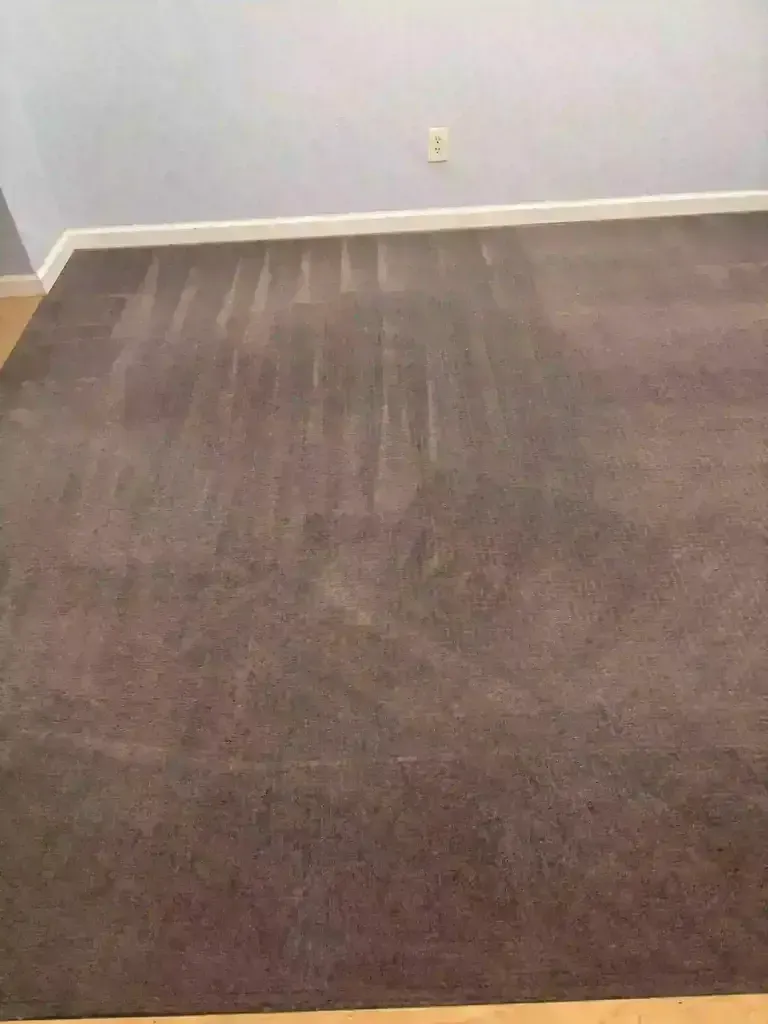
Douglas County red clay contains iron oxide compounds that bond to Lone Tree carpet fiber under foot traffic compression. Vacuuming moves the surface layer but cannot break the iron oxide-fiber bond — it spreads the reddish-brown discoloration through the fiber rather than removing it. Entry and hallway carpet across Lone Tree — particularly in RidgeGate properties adjacent to outdoor access and Stonebridge homes near open space — accumulates red clay discoloration that standard cleaning moves around rather than removes. Iron oxide-targeting alkaline pre-spray applied and dwelled before extraction is the step that breaks the mineral bond and removes the discoloration that vacuuming and standard cleaning cannot address.
Denver Basin Hard Water in Lone Tree Carpet Fiber
Every mop pass on Lone Tree carpet deposits dissolved calcium and magnesium from the Denver Basin aquifer as moisture evaporates. At 5,900 to 6,100 feet elevation, Colorado's low humidity accelerates that evaporation — mineral deposits build faster per cycle in Lone Tree than at lower-elevation soft-water locations. The gritty, stiff texture developing in Lone Tree entry carpet over time is hard water mineral accumulation in the fiber base compounding on top of the red clay load. Hot water extraction with low-residue mineral-targeting rinse removes the accumulated mineral load that routine mopping adds cycle after cycle
Road Treatment Chemicals — October Through April
Magnesium chloride and calcium chloride applied to Lone Tree roads from October through April track into homes on footwear throughout the entire winter season — compounding on top of the red clay load already accumulating in entry carpet. At commercial and residential foot traffic volumes in RidgeGate and Stonebridge, road treatment chemical accumulation reaches significant levels within weeks of the first October application. Post-winter cleaning in April removes the full October through April chemical and mineral accumulation before summer foot traffic compresses it deeper into the fiber base.
Pet Odor Returning Every October
That fall smell is not a new accident — it is old contamination your heating system is waking up. Forced-air heat reactivates uric acid crystals from pet urine in carpet backing and padding every October. Standard carpet cleaning does not dissolve uric acid crystals — it cleans around them. Enzyme pre-treatment breaks them down at the molecular level. No crystals remaining means no odor returning when October heating activates next year.
OUR PROCESS IN LONE TREE
Our Carpet Cleaning Process for Lone Tree Homes
Step 1 — Fiber Type and Soil Load Assessment
Fiber type and soil load classified before any chemistry is applied. Lone Tree entry and hallway carpet consistently presents medium to heavy load from red clay and road chemical accumulation — higher pre-spray concentration and additional extraction passes applied accordingly. Bedroom and low-traffic carpet typically presents light to medium load — standard concentration and single pass.
Fiber type across Lone Tree homes is predominantly nylon in Stonebridge and Acres Green — wide pH tolerance, responds well to standard hot water extraction. Carriage Club and Heritage Hills higher-value homes frequently have wool or premium fiber carpet — pH-neutral chemistry only, alkaline pre-spray causes permanent fiber damage and color alteration on wool. Polyester in some RidgeGate newer builds requires lipid-targeting surfactant for oil-bonded soil.
Step 2 — Red Clay Pre-Spray Protocol
Iron oxide-targeting alkaline pre-conditioner applied to carpet surface. Dwell time matched to soil load — 5 to 8 minutes light soil, up to 15 minutes heavy red clay entry carpet. Pre-spray breaks the chemical bond between iron oxide compounds, road chemical residue, and carpet fiber before extraction begins. Pet urine areas receive enzyme pre-treatment in addition — dwelled separately before extraction removes both the standard soil load and the uric acid source simultaneously. Carriage Club and Heritage Hills wool carpet receives pH-neutral enzyme formulation — not standard alkaline enzyme products.
Step 3 — Hot Water Extraction at 200–230°F
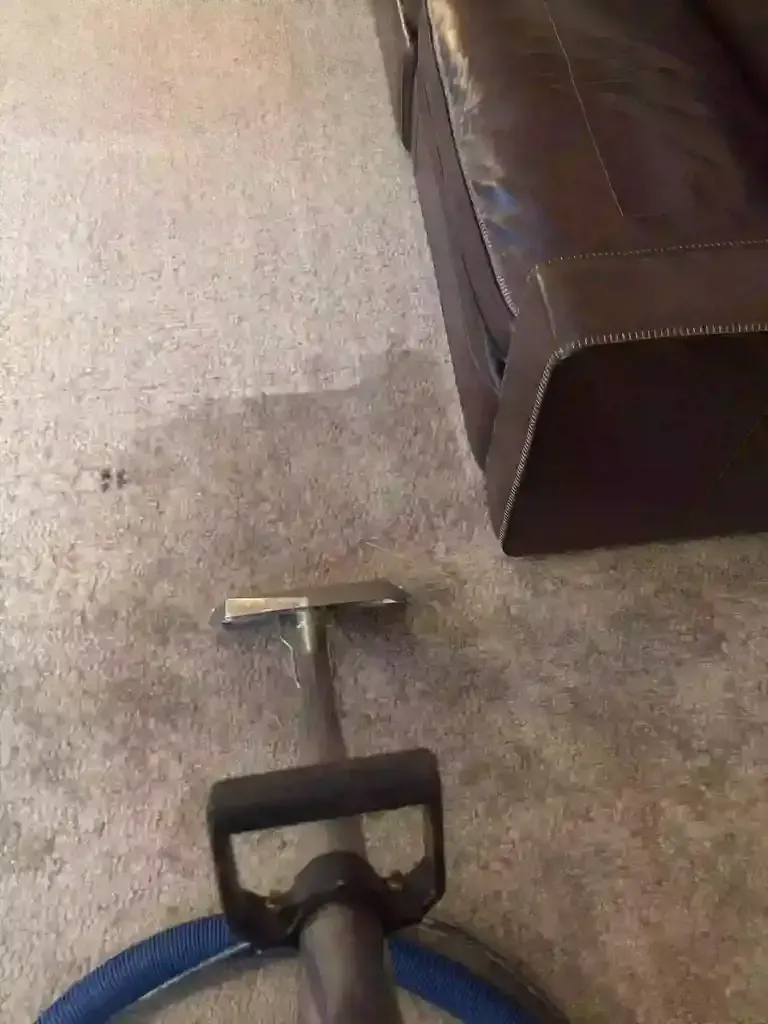
Agitation works pre-spray chemistry deeper into pile before extraction — critical for Lone Tree entry carpet where red clay compounds are compacted into the fiber base under traffic load. Hot water extraction at 200–230°F with low-residue rinse removes dissolved soil, bacteria, allergens, road chemical residue, and mineral deposits from the full fiber depth. Up to 95% soil and bacteria removal per IICRC S100. Low-residue formulation leaves no sticky film — new Lone Tree red clay does not adhere to residue-free fiber as quickly as to high-detergent residue film.
Step 4 — Spot Treatment and Drying
Remaining stains treated with chemistry matched to stain type — enzyme for protein stains, acidic for tannin, solvent for oil-based. Drying time in Lone Tree indoor conditions — 2 to 4 hours passive airflow. Ceiling fans or open windows reduce this to 1 to 2 hours. Protective furniture tabs placed and pile groomed for even airflow before leaving.
What Professional Carpet Cleaning Removes From Lone Tree Carpet
Red clay iron oxide — broken from fiber bond by alkaline pre-spray and extracted from the full fiber depth. Vacuuming and standard pre-spray calibrated for general soil cannot do this — iron oxide-targeting chemistry is required.
Dust mites — killed at 200°F+ extraction temperature and removed from fiber simultaneously. Feed on shed skin cells in carpet pile. Waste proteins trigger asthma and allergic rhinitis — particularly relevant in Lone Tree homes through the October through April heating season when windows remain closed.
Pet dander — microscopic dried skin flakes from cats and dogs embedded deep in fiber beyond vacuum reach. Primary allergen in Lone Tree pet households — most consistent in Acres Green and Stonebridge where pet household density is higher.
Bacteria — killed at 200°F+ extraction temperature. E. coli from bathroom and kitchen tracking, Staphylococcus from skin contact areas — removed during extraction pass.
Road treatment chemicals — magnesium chloride and calcium chloride tracked in October through April. Extracted during hot water pass — spring April cleaning removes the full seasonal accumulation.
Hard water mineral deposits — calcium and magnesium from Denver Basin aquifer water deposited in fiber base. Removed during extraction with low-residue mineral-targeting rinse.
Uric acid crystals — require enzyme pre-treatment before extraction. Standard cleaning does not remove uric acid crystals. Enzyme pre-treatment breaks them down at the molecular level before the extraction pass removes them — eliminating the source that Lone Tree heating season reactivates every October.
SERVICE AREAS WITHIN LONE TREE
Carpet Cleaning Across Lone Tree Communities
RidgeGate — newest Lone Tree development with active real estate market. Mix of LVT and carpet. New construction carpet receiving first professional cleaning — full red clay and Douglas County hard water mineral protocol applied. Pre-showing same-day cleaning highest frequency of all Lone Tree communities.
Stonebridge — established 1990s–2000s community. Standard nylon carpet cleaning profile. Red clay tracking from Douglas County outdoor terrain consistent in entry and hallway carpet. Hard water mineral accumulation in carpet fiber from Denver Basin aquifer a consistent professional cleaning outcome.
Carriage Club — higher-value Lone Tree residential. Wool and premium fiber carpet common — fiber identification before treatment non-negotiable. pH-neutral protocol confirmed before any chemistry selection. Multi-surface specialist cleaning across carpet, tile, and hardwood common per service visit.
Acres Green — southern Lone Tree bordering Highlands Ranch. Family residential with standard nylon carpet profile. Pet households common — stain and odor removal combined with standard carpet cleaning a frequent combined service. Red clay tracking consistent from Douglas County outdoor access.
Heritage Hills — upscale Lone Tree community with larger homes and premium surface materials. Wool and premium fiber carpet in some Heritage Hills properties — fiber identification before treatment on every visit. Multi-surface specialist cleaning across full home scope standard.
Village at Lone Tree —Village at Lone Tree — mixed-use residential and commercial. Standard carpet cleaning alongside commercial facility cleaning available. Active real estate and rental market — same-day pre-showing and turnover cleaning a consistent request.
FIBER TYPES IN LONE TREE HOMES
Carpet Fiber Identification in Lone Tree — Why It Changes the Protocol
Nylon — most common Lone Tree carpet fiber across Stonebridge, Acres Green, and standard residential builds. Wide pH tolerance. Iron oxide-targeting pre-spray produces dramatic before-and-after results on nylon fiber given the high Lone Tree red clay accumulation rate. Low-residue results stay visible longer than high-detergent methods on nylon.
Wool — present in Carriage Club and Heritage Hills higher-value homes. Most chemically sensitive common carpet fiber. pH-neutral chemistry only — alkaline pre-sprays cause permanent fiber damage and color alteration. Moisture-controlled extraction prevents shrinkage. Lone Tree wool carpet receiving standard alkaline pre-spray is the most consistent professional cleaning mistake we see in this market.
Polyester — present in some RidgeGate newer builds. Bonds with oil-based soils — lipid-targeting surfactant required in pre-spray or polyester re-soils rapidly after cleaning. Without correct pre-spray, polyester carpet in Lone Tree looks clean immediately after cleaning but re-soils within weeks from oil-bonded residue left in fiber.
Olefin — prone to wicking. Dissolved soil resurfaces from the backing as carpet dries — spots appear to return after cleaning. Post-drying inspection and follow-up treatment required on Lone Tree olefin carpet.
OUR 4 EASY STEPS
How to Book Carpet Cleaning in Lone Tree — 4 Steps
01
Call or Submit Online

Carpet fiber type — wool or standard — room count, community, and specific concerns — red clay entry carpet, pet stains, heavy soil lanes — confirmed on the call. Carriage Club and Heritage Hills wool carpet noted for dispatch preparation.
02
Free Upfront Quote

Accurate quote before scheduling. Red clay pre-spray protocol and wool fiber specialist protocol confirmed and included where applicable. No door-step additions — what we quote is what you pay.
03
Scheduled or Same-Day Appointment

Morning, afternoon, and after-hours slots available. Same-day — call before noon for best availability. Emergency 24/7 — call directly for immediate response.
04
Certified Service & Results

Pre-inspection confirms fiber type — wool confirmed before chemistry selection — and red clay soil load classification before treatment begins. Drying time 2 to 4 hours with low-residue method. Completion walkthrough before leaving.
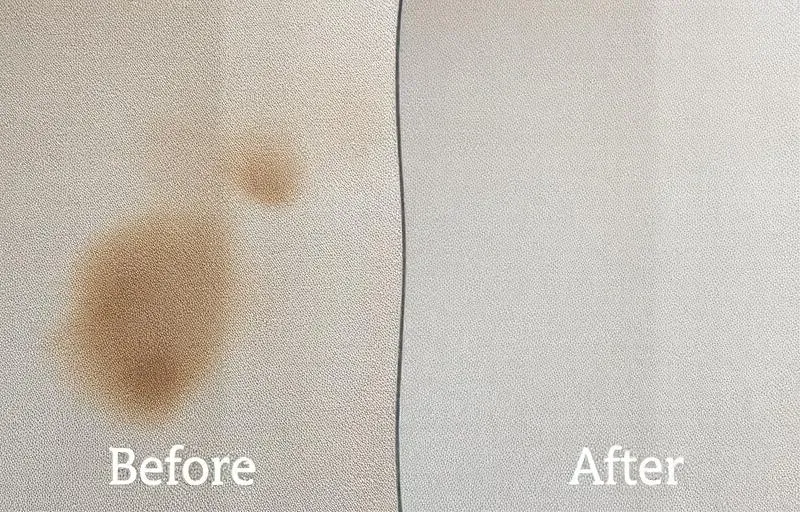
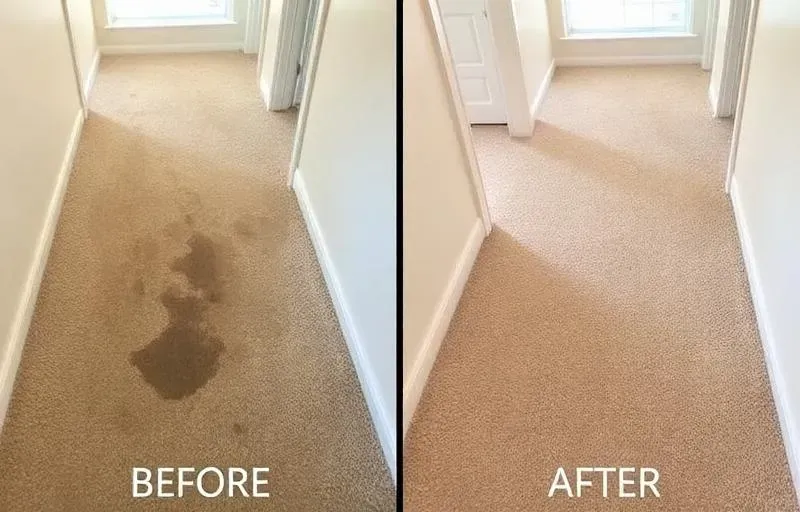
Real Results
See the Difference for Yourself

Related Services and Pages
Lone Tree Hub
Emergency Carpet Cleaning in Lone Tree
Lone Tree Specialized Sections
Stain & Odor Removal in Lone Tree
Tile & Grout Cleaning in Lone Tree
LVT Floor Cleaning in Lone Tree
Upholstery Cleaning in Lone Tree
Same-Day Carpet Cleaning in Lone Tree
FAQs
Frequently Asked Questions — Carpet Cleaning in Lone Tree, CO
:Why does my Lone Tree entry carpet look reddish-brown even after vacuuming?
Douglas County red clay contains iron oxide compounds that bond to carpet fiber under foot traffic compression — vacuuming cannot break that bond. It moves the surface layer and spreads the discoloration. Iron oxide-targeting alkaline pre-spray chemistry applied and dwelled before hot water extraction removes the reddish-brown discoloration that years of vacuuming have been unable to address. Entry and hallway carpet in Lone Tree homes near open space and outdoor access presents this most consistently.
Why does my Lone Tree carpet feel gritty and stiff in the entryway?
The gritty, stiff feel is hard water mineral accumulation in the fiber base — not just outdoor soil. Every mop pass with Denver Basin aquifer water deposits dissolved calcium and magnesium in the fiber as moisture evaporates. At Lone Tree's elevation, Colorado's low humidity accelerates that evaporation — mineral buildup happens faster here than at lower-elevation soft-water locations. Hot water extraction with mineral-targeting low-residue rinse removes the accumulated mineral load that mopping has been depositing cycle after cycle.
My Carriage Club home has wool carpet — can it be professionally cleaned safely?
Yes — with wool-specific protocol confirmed before any chemistry is applied. Wool is the most chemically sensitive common carpet fiber. Standard alkaline pre-spray chemistry causes permanent fiber damage, color alteration, and shrinkage on wool. pH-neutral chemistry only for wool, with moisture-controlled extraction. We confirm fiber type before treatment on every Lone Tree service call where wool is indicated — Carriage Club and Heritage Hills most frequently.
Is spring the best time to clean Lone Tree carpet?
Yes — April or May is optimal for Lone Tree entry and hallway carpet. Road treatment chemical season ends in April — spring cleaning removes the full October through April accumulation of magnesium chloride, calcium chloride, red clay, and hard water mineral deposits before summer foot traffic compresses them deeper into the fiber base. October is the recommended second cleaning — removing summer red clay accumulation before heating season activates and road treatment season begins again.
Do you clean carpet in all Lone Tree communities?
Yes — RidgeGate, Stonebridge, Carriage Club, Acres Green, Heritage Hills, Village at Lone Tree, and all Lone Tree residential addresses. Serving all Lone Tree neighborhoods — same-day slots fill fast, call before noon.
Book Your Lone Tree Carpet Cleaning — Free Quote, Dual Soil Protocol
Douglas County red clay iron oxide requiring iron oxide-targeting pre-spray. Denver Basin hard water mineral extraction from carpet fiber. Road treatment chemical removal October through April. Wool fiber protocol for Carriage Club and Heritage Hills homes. IICRC-certified hot water extraction. Low-residue results that stay visible longer. Transparent pricing — what we quote is what you pay. Serving all Lone Tree neighborhoods — same-day slots fill fast, call before noon.
We'll text you back within minutes. No spam, ever.
IICRC-certified carpet, tile & upholstery cleaning — Castle Rock, CO and the Denver Metro
Services
Location