🔥 Limited Time Online Only Special — 3 Rooms + Hallway $119 | Book This Week → Claim Offer


5-Star Rated · IICRC Certified · 23+ Years
Fabric-Safe Upholstery Cleaning | Colorado Choice Carpet Cleaning
Wool in Pradera and The Pinery. Pet urine foam reactivating every October in Challenger Park and Cottonwood. Pine pollen and organic debris static-attracted to every synthetic sofa through Parker's seven-month heating season. Denver Basin hard water creating mineral rings on microfiber. Parker upholstery needs fabric-identified chemistry — not one product applied to everything.
Parker's seven-month heating season creates sustained static charge in synthetic upholstery from October through April — attracting pine pollen from Pinery forest proximity, pet dander, and fine outdoor particulate at 5,869 feet throughout the entire heating season — and reactivates uric acid crystals from pet urine in cushion foam every fall across Challenger Park, Cottonwood, The Pinery, Pradera, Stonegate, and every Parker Douglas County neighborhood. Colorado Choice Carpet Cleaning provides IICRC-certified upholstery cleaning across all Parker neighborhoods with fabric code identification before any chemistry is applied, moisture-controlled extraction matched to fabric type, and wool and natural fiber specialist protocol for Pradera and Pinery premium upholstery.
Fully certified for carpet, tile & upholstery

Trusted, vetted, and held to the highest standards.

Complete satisfaction or we come back free

5-Star Rated on Google

Business Rate Award Winner 2026
Approved By 300+ Of Parker Customers
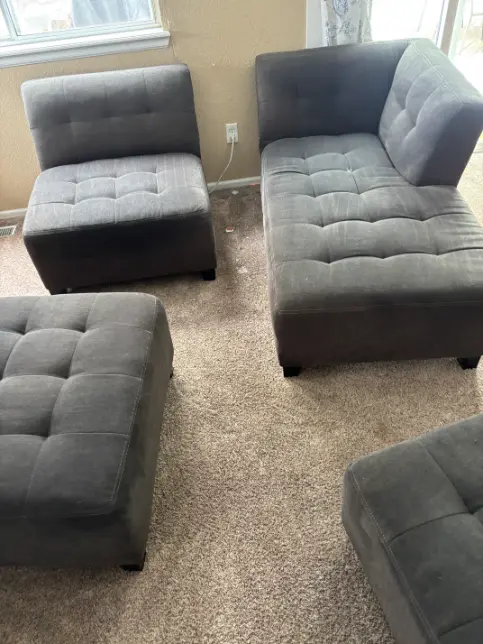
What Parker Upholstery Is Actually Dealing With
Heating Season Static Charge and Pine Forest Organic Debris
Parker forced-air heating runs October through April — seven months of heated low-humidity indoor air at 5,869 feet creating elevated static charge in synthetic upholstery fabrics. At Parker's elevation — the highest of any major Douglas County community — the combination of high altitude and heating season produces the most aggressive static charge environment of any city in our service area. Static charge causes furniture fiber to actively attract and hold airborne particulate throughout the entire heating season. In Pinery homes surrounded by ponderosa pine forest, that particulate includes pine pollen, pine organic debris, and forest floor dust in addition to standard pet dander and household dust. Professional extraction removes the accumulated static-attracted load from the fiber structure at the depth that vacuuming cannot reach — resetting the contamination cycle that begins again each October.
Pradera and Pinery — Wool and Natural Fiber Specialist Protocol
Pradera and Pinery higher-value homes frequently have wool and premium natural fiber upholstery — consistent with the premium furnishing choices in Parker's most established semi-rural communities. Wool upholstery requires pH-neutral chemistry only — alkaline cleaning products cause permanent fiber damage, color alteration, and shrinkage on wool without exception. Applying standard alkaline upholstery chemistry to Pradera and Pinery wool upholstery without fiber identification is the most consistent professional cleaning mistake we encounter in Parker's premium communities. We confirm fabric code and fiber type before any chemistry is applied on every Pradera and Pinery upholstery visit — wool receives pH-neutral formulation only, always.
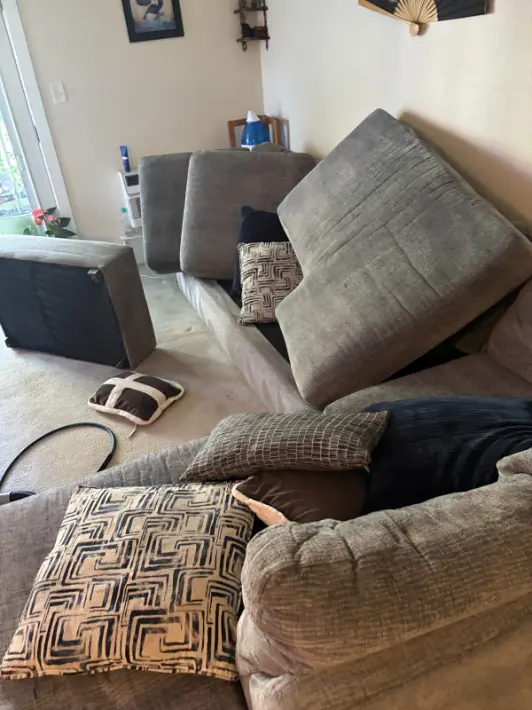
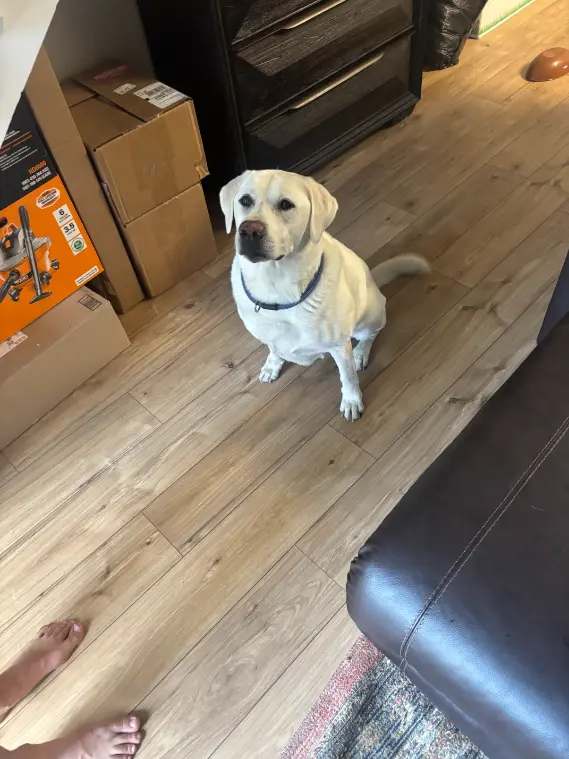
Pet Urine Foam Reactivation — The Same October Cycle as Carpet
Pet urine deposits in upholstery cushion foam follow the same uric acid crystal reactivation cycle as carpet backing and padding. Parker forced-air heating activates uric acid crystals in upholstery foam from October onward across Challenger Park, Cottonwood, Stonegate, and all Parker pet households. Challenger Park generates the most consistent Parker upholstery pet accident treatment calls given the highest pet household density among Parker's established residential communities. The fall smell from your sofa is not a new accident — it is old contamination your heating system reactivates every October. Topical enzyme treatment through the fabric surface addresses upper foam contamination from recent incidents — calibrated to Denver Basin hard to very hard water mineral environment where mineral ions compete with consumer enzyme chemistry at standard dilution. Chronic contamination saturating full foam core requires cushion foam replacement combined with enzyme treatment of the fabric shell.
Denver Basin Hard Water and Microfiber Water Rings
Microfiber is the most common upholstery fabric across Stonegate, Lincoln Creek, Challenger Park, Discovery Ridge, and standard Parker residential builds — and Parker's Denver Basin hard to very hard water creates a consistent water ring risk on microfiber when water is applied and allowed to air-dry. At Parker's 5,869-foot elevation, Colorado's low humidity accelerates evaporation — Denver Basin minerals deposit on microfiber surface faster as moisture evaporates than at lower-elevation cities on the same aquifer. Professional controlled extraction removes moisture during the cleaning process rather than allowing it to air-dry with Denver Basin mineral residue — eliminating the water ring risk that makes DIY microfiber cleaning in Parker homes consistently produce visible marks.
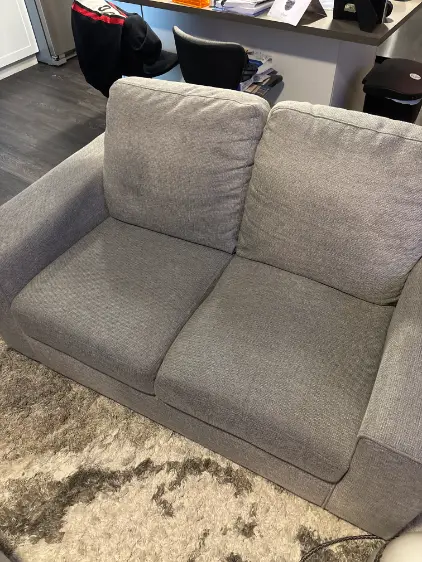
Parker Leather — Most Aggressive Heating Season Drying in Service Area
Parker's 5,869-foot elevation and seven-month heating season create the most aggressive leather drying conditions of any community in our service area. Forced-air heating from October through April combined with Parker's low ambient humidity at altitude dries leather faster and more thoroughly than lower-elevation Front Range cities. Leather conditioning after cleaning is more critical in Parker than anywhere else in our service area — conditioning applied after professional cleaning prevents the cracking and surface degradation that Parker's heating season produces on unprotected leather through the full seven-month window.
Fabric Code Identification — The Step That Prevents Permanent Damage
Every piece of upholstered furniture we clean in Parker receives fabric code identification before any moisture or chemistry is applied. This step is non-negotiable — particularly in Pradera and The Pinery where wool and natural fiber upholstery is most common.
W — Water-Based Cleaning
Water-based chemistry safe. Most synthetic Parker upholstery — polyester blends, nylon, performance fabrics in Stonegate and newer builds, microfiber in Challenger Park, Lincoln Creek, and standard builds. Moisture-controlled extraction required for microfiber — Denver Basin minerals in air-dried solution produce water rings faster in Parker than at lower-elevation Front Range cities given Parker's 5,869-foot elevation evaporation rate.
S — Solvent-Based Only
Water causes shrinkage and color bleed — no water-based chemistry under any circumstances. Natural fiber fabrics — rayon, acetate, some silks — commonly S-coded. Present in Pradera and Pinery premium upholstery alongside wool. Dry-cleaning solvent chemistry applied with controlled low-moisture method.
W/S — Water or Solvent
Either method safe — selection based on soil type and fabric condition. Solvent selected for oil-based soil. Water-based selected for general soil and allergen removal. Common across Parker's mid-range residential upholstery in Stonegate, Stroh Ranch, and Discovery Ridge.
X — Vacuum Only
No liquid chemistry of any kind. We identify X-coded fabrics before service and advise on the cleaning limitation rather than proceeding with a method that causes damage.
No Tag — Fiber Identification Assessment
Water-spot test in a hidden location before selecting chemistry where tag is missing or illegible. Pradera and Pinery premium upholstery without legible tags receives the most conservative assessment before any treatment begins.
Upholstery Fabric Types We Clean in Parker
Wool and Natural Fiber — Pradera and Pinery Specialist
Most chemically sensitive upholstery fiber and most common premium upholstery in Pradera and Pinery homes. pH-neutral chemistry only. Alkaline products cause permanent fiber damage, color alteration, and shrinkage. Moisture-controlled extraction prevents shrinkage. Pradera and Pinery wool upholstery receiving alkaline upholstery chemistry is the most consistent professional cleaning error we see in Parker — fiber type confirmation before chemistry selection is what prevents it every time.
Microfiber
Most common Parker residential upholstery fabric across Stonegate, Lincoln Creek, Challenger Park, Discovery Ridge, and standard builds. Denver Basin water ring formation from air-dried solution is the highest-risk DIY cleaning outcome on microfiber in Parker — accelerated by Parker's 5,869-foot elevation evaporation rate. Professional controlled extraction prevents this entirely.
Performance Fabrics — Stonegate and Newer Parker Builds
Sunbrella, Crypton, Revolution, and similar performance fabrics most common in Stonegate and newer master-planned Parker builds — W-coded and designed for soil resistance but accumulating static-attracted pine pollen and organic debris in their textured weave patterns through Parker's heating season. Agitation-assisted extraction produces best results — working loosened Pinery-adjacent organic particulate from texture before extraction removes it.
Velvet and Chenille
Directional pile fabric — pile crushes or reverses direction under incorrect agitation producing permanent dull patches. Pile-direction-aware cleaning with appropriate agitation tool and grooming during drying. Parker's low-humidity conditions dry velvet rapidly — reducing drying-window pile distortion risk.
Leather
pH-balanced leather cleaner and conditioner matched to leather type — aniline, semi-aniline, pigmented, or bonded. Parker's October through April heating season at 5,869 feet is the most aggressive leather drying environment in our entire service area — conditioning after cleaning is most critical in Parker of any community we serve.
Our Upholstery Cleaning Process for Parker Homes
Step 1 — Fabric Code and Fiber Identification
Fabric code tag located and read. Visual fiber identification confirms fabric type — wool, natural fiber, synthetic, performance fabric, leather. Existing damage — Denver Basin water rings on microfiber, pile distortion, previous cleaning damage — noted before service begins. Pet contamination areas identified and foam depth assessment performed. Pradera and Pinery wool and natural fiber — fiber type confirmation and pH-neutral protocol confirmed before any chemistry selection.
Step 2 — Pre-Vacuuming
Thorough pre-vacuum removes surface pet hair, dry particulate, pine pollen and Pinery forest organic debris, and static-attracted contamination accumulated during Parker's heating season. Pinery homes receive extended pre-vacuuming given the higher pine organic load attracted to synthetic fiber through October through April static charge at 5,869-foot elevation.
Step 3 — Pre-Treatment by Fabric Code
pH-matched pre-treatment applied per fabric code. W-coded — appropriate upholstery pre-conditioner. Pradera and Pinery wool — pH-neutral pre-conditioner for general soil, pH-neutral enzyme formulation calibrated for Denver Basin hard to very hard water mineral environment for pet urine. Pet urine foam areas — enzyme pre-treatment at concentration calibrated above Denver Basin mineral interference threshold — dwelled before extraction. S-coded — dry-cleaning solvent chemistry. Denver Basin mineral film on microfiber — pH-neutral mineral-targeting chemistry.
Step 4 — Agitation and Moisture-Controlled Extraction
Non-abrasive microfiber agitation works pre-treatment into fiber without damaging weave. Stonegate and newer build performance fabric — agitation works loosened pine pollen and organic debris from texture before extraction. Pile direction maintained on velvet and chenille throughout. Low-moisture extraction tool removes cleaning solution and dissolved contamination simultaneously. Controlled moisture prevents over-wetting, shrinkage, and Denver Basin water ring formation on microfiber — critical at Parker's elevation evaporation rate.
Step 5 — Pile Grooming and Drying
Directional pile fabrics groomed in correct nap direction after extraction. Cushions repositioned for even airflow. Drying time in Parker conditions — typically 1 to 2 hours given Parker's lowest ambient humidity in the service area. Pradera and Pinery wool upholstery — complete drying confirmed before furniture is repositioned. Leather conditioned immediately after cleaning — Parker's heating season makes immediate conditioning most critical of any service area community.
OUR 4 EASY STEPS
How to Book Upholstery Cleaning in Parker — 4 Steps
01
Call or Submit Online

Call (720) 730-8055 or submit the online form. Fabric type — wool, performance fabric, microfiber, leather — upholstery piece count, neighborhood — Pradera, The Pinery, Stonegate, Challenger Park, Lincoln Creek, Meridian, Discovery Ridge — and specific concerns — pet foam contamination, Denver Basin water rings, pine organic static, pile distortion — confirmed on the call.
02
Free Upfront Quote

Accurate quote before scheduling. Pradera and Pinery wool and natural fiber specialist protocol confirmed and included. Pet foam core assessment included where contamination indicated. Denver Basin microfiber water ring prevention protocol confirmed. No door-step additions — what we quote is what you pay.
03
Scheduled or Same-Day Appointment

Morning, afternoon, and after-hours slots available. Same-day — call before noon for best availability. Emergency pet accident foam treatment — call directly for immediate response.
04
Certified Service & Results

Fabric code confirmed and fiber type identified before any chemistry is applied. Pradera and Pinery wool protocol confirmed before dispatch. Moisture-controlled extraction matched to fabric type. Pile groomed after cleaning. Leather conditioned post-cleaning. Completion walkthrough before leaving.
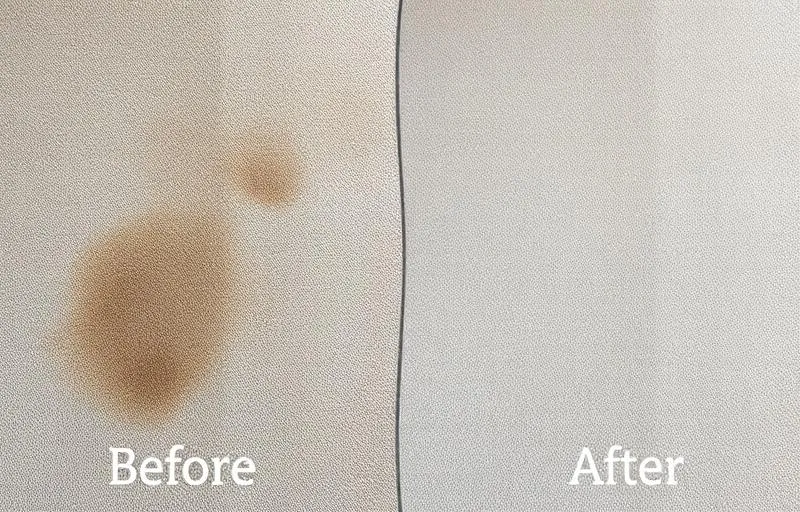
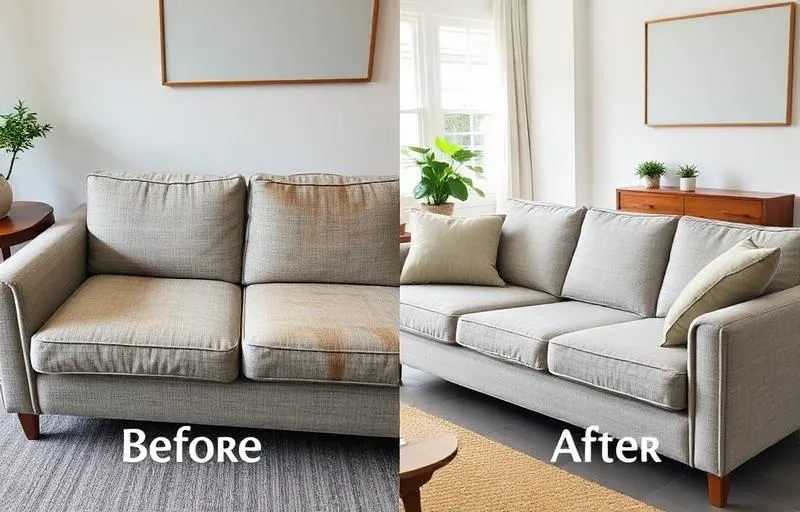
Real Results
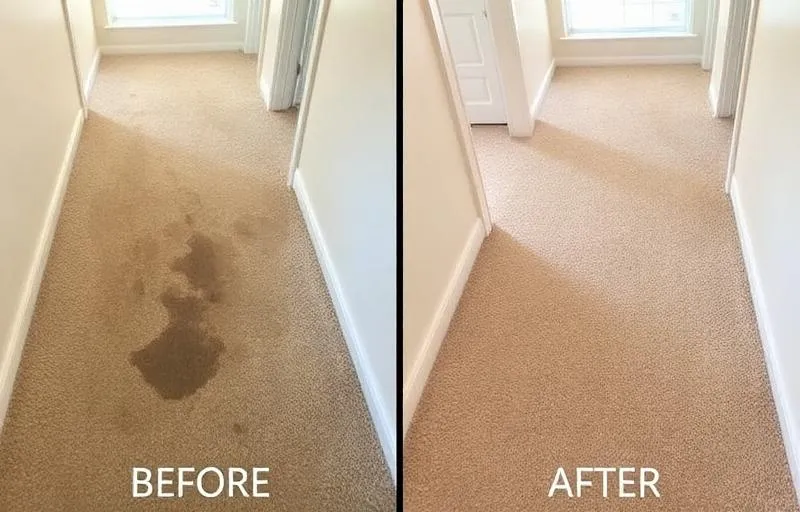
See the Difference for Yourself
Related Services and Pages
Parker City Hub
Emergency Carpet Cleaning inParker
Parker Specialized Sections
Carpet Cleaning in Parker
Stain & Odor Removal in Parker
Tile & Grout Cleaning in Parker
LVT Floor Cleaning in Parker
Same-Day Carpet Cleaning in Parker
FAQs
Frequently Asked Questions — Upholstery Cleaning in Parker, CO
Why does our Parker sofa accumulate so much pine pollen and pet hair in winter?
Parker forced-air heating runs October through April at 5,869-foot elevation — creating elevated static charge in synthetic upholstery fabrics throughout the seven-month heating season. In Pinery homes surrounded by ponderosa pine forest, that static charge attracts pine pollen, pine organic debris, and forest floor dust alongside standard pet dander. Professional extraction removes the accumulated static-attracted load from the fiber structure depth that vacuuming cannot reach — resetting the contamination cycle that begins again each October.
Our Pradera sofa appears to be wool — can it be professionally cleaned safely?
Yes — with pH-neutral chemistry only and moisture-controlled extraction. Wool is the most chemically sensitive common upholstery fiber. Alkaline cleaning products cause permanent fiber damage, color alteration, and shrinkage — the same restriction as wool carpet cleaning. We confirm fiber type on arrival before any chemistry is selected — Pradera and Pinery wool upholstery receiving standard alkaline chemistry is the most consistent professional cleaning error we see in Parker.
Why does our Parker sofa smell like pet urine every October when the heat comes on?
Identical mechanism to carpet. Uric acid crystals from pet urine in upholstery cushion foam reactivate under Parker's forced-air heating from October onward. The odor is stable through summer and returns the moment sustained warm indoor air activates those crystals — not a new accident, not a cleaning failure, just a source that was never eliminated. Topical enzyme treatment through the fabric surface addresses upper foam contamination from recent incidents — calibrated for Denver Basin's hard to very hard water environment. Chronic contamination saturating full foam core requires cushion foam replacement combined with enzyme treatment of the fabric shell. We assess foam contamination depth during pre-inspection before any treatment commitment is made.
Can you clean microfiber upholstery in Parker without leaving water rings?
Yes — controlled extraction during cleaning prevents water ring formation entirely. Water rings on microfiber occur when water is applied and allowed to air-dry — Denver Basin hard to very hard water deposits calcium and magnesium on the fiber surface as moisture evaporates. At Parker's 5,869-foot elevation, evaporation is faster than at lower Front Range cities on the same aquifer — making the Denver Basin water ring risk more acute in Parker than in any other city we serve. Our process extracts moisture during cleaning rather than leaving it to air-dry.
Do you serve all Parker neighborhoods for upholstery cleaning?
Yes — The Pinery, Pradera, Stonegate, Challenger Park, Lincoln Creek, Meridian, Pine Bluffs, Discovery Ridge, Stroh Ranch, Cottonwood, and all Parker residential addresses. Serving all Parker neighborhoods — same-day slots fill fast, call before noon.
Fabric-Specific Upholstery Issues — Colorado Choice Carpet Cleaning
Seven months of Parker heating season static charge at 5,869-foot elevation — most aggressive in service area. Pine pollen and Pinery organic debris static-attracted to synthetic upholstery through October through April. Pet urine foam reactivation every October in Challenger Park and Cottonwood. Denver Basin hard to very hard water microfiber water ring risk — accelerated at Parker elevation. Pradera and Pinery wool and natural fiber pH-neutral specialist protocol. Performance fabric agitation-assisted extraction for Stonegate builds. Leather conditioning most critical of any service area community given Parker's heating season drying intensity. Fabric code identified before treatment — every time. Serving all Parker neighborhoods — same-day slots fill fast, call before noon.
Call us at (720) 730-8055 or use the online form for a free, upfront quote. We will confirm your service area, scope, and pricing in one call.
We'll text you back within minutes. No spam, ever.
IICRC-certified carpet, tile & upholstery cleaning — Castle Rock, CO and the Denver Metro
Services
Location