🔥 Limited Time Online Only Special — 3 Rooms + Hallway $119 | Book This Week → Claim Offer


5-Star Rated · IICRC Certified · 23+ Years
Stain & Odor Removal in Parker, CO — Enzyme Treatment, Pet Urine & Carpet Stain Specialist for Douglas County
Pet odor returning every October in Challenger Park, Stonegate, and The Pinery. Consumer enzyme products that never fully worked in Parker homes. Douglas County red clay staining that every consumer product misidentifies. Denver Basin hard water competing with every enzyme product on the shelf. We eliminate the source — not mask it.
Parker's forced-air heating season runs October through April — and every fall, heated indoor air reactivates uric acid crystals from pet urine in carpet backing and padding across Challenger Park, Stonegate, Cottonwood, The Pinery, Pradera, and every Parker neighborhood in Douglas County. Standard carpet cleaning does not dissolve uric acid crystals, consumer masking products suppress the smell until the next heating season, and Denver Basin hard to very hard water mineral ions compete with consumer enzyme chemistry at standard dilution — which is why Parker homeowners consistently report enzyme products that did not work. Colorado Choice Carpet Cleaning provides UV light contamination mapping, professional enzyme treatment calibrated to Denver Basin conditions, and two-level pet urine protocol matched to contamination depth and fiber type across all Parker neighborhoods.
Fully certified for carpet, tile & upholstery

Trusted, vetted, and held to the highest standards.

Complete satisfaction or we come back free

5-Star Rated on Google

Business Rate Award Winner 2026
Approved By 300+ Of Parker Customers
Why Pet Odor and Staining Keep Coming Back in Parker Homes
October Heating Season — The Annual Uric Acid Reactivation Cycle
Parker forced-air heating activates from October through April. Seven months of sustained warm indoor air creates the exact conditions that reactivate uric acid crystals from pet urine in carpet backing and padding. The pattern is consistent across Parker pet households in Challenger Park, Stonegate, Cottonwood, Lincoln Creek, and Discovery Ridge — odor is mild or absent through summer, returns in October when heating activates, and persists through April when heating finally stops.
Uric acid crystals stable in cool summer air become chemically active under sustained forced-air heat — releasing ammonia-based odor compounds throughout the entire heating season. Consumer masking products suppress the smell temporarily. Consumer enzyme products at standard dilution consistently fail in Parker's Denver Basin hard to very hard water environment — hard mineral ions in the water compete with enzyme surfactants before the chemistry can fully contact and break down uric acid compounds. Professional enzyme pre-treatment calibrated to Denver Basin conditions — above the mineral interference threshold — eliminates the source at the molecular level. No source remaining means no reactivation when October heating activates next year. Challenger Park generates the most consistent October uric acid reactivation calls in Parker every heating season.
Why Denver Basin Hard Water Makes Consumer Enzyme Products Fail in Parker
This is the question we hear most often from Parker homeowners — I bought enzyme cleaner, followed the instructions, and the smell came back in October anyway. Parker Water and Sanitation District draws from the Denver Basin aquifer — hard to very hard mineral hardness carrying dissolved calcium and magnesium. Those mineral ions affect the pH environment enzyme chemistry operates within in carpet fiber. The ions compete with enzyme surfactants before they can fully contact and break down uric acid compounds at the molecular level. Standard-dilution consumer products formulated for average or soft water do not compensate for this mineral competition adequately. Professional enzyme application concentrates above the mineral interference threshold and dwells at the time required for complete uric acid breakdown in Denver Basin conditions — the difference between permanent elimination and the October return that Parker homeowners experience with consumer products year after year.
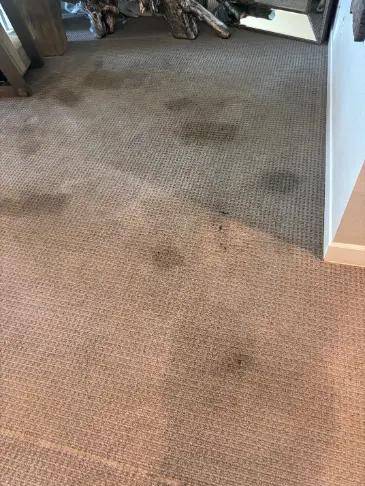
Douglas County Red Clay — A Mineral Stain Every Consumer Product Misidentifies
Douglas County red clay staining in Parker entry and hallway carpet is consistently misidentified as a protein or tannin stain by homeowners and by cleaning companies applying standard urban stain removal protocols. Red clay iron oxide is a mineral stain — not organic. Applying enzyme chemistry to iron oxide staining does not address the correct compound. Applying acidic tannin remover to iron oxide staining can alter the stain rather than removing it. Iron oxide-targeting alkaline pre-spray chemistry — applied and dwelled before hot water extraction — is the correct treatment. Identifying the stain type correctly before treatment is what produces the result. Douglas County red clay in entry carpet is the most frequently misidentified stain type in our entire Parker service area.
The Pinery — Pine Organic Staining Alongside Red Clay
Pinery carpet faces both Douglas County red clay iron oxide staining and tannin-based pine organic staining from ponderosa pine needle decomposition. Pine organic staining is a true tannin compound — requiring acidic treatment distinct from the iron oxide pre-spray used for red clay. Both stain types present simultaneously in Pinery entry and interior carpet, requiring compound pre-treatment: iron oxide-targeting pre-spray for the red clay component and tannin-appropriate acidic treatment for the pine organic component — both chemistry stages applied and dwelled before extraction. Pinery carpet receiving a single pre-spray treatment consistently returns discoloration from the unaddressed soil component within weeks of cleaning.
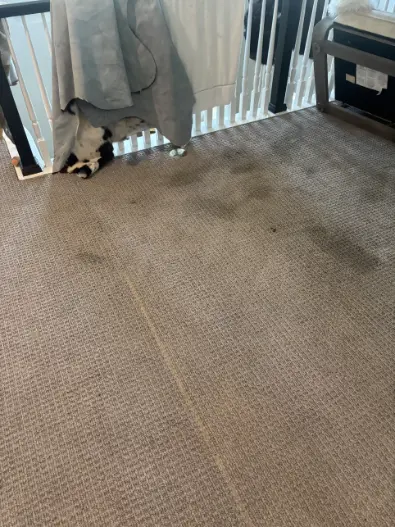
How We Identify What You Are Dealing With Before We Treat It
Stain Chemistry Classification
Stain type identified before any chemistry is applied — protein, tannin, oil-based, mineral, or combination. Wrong chemistry on the wrong stain sets it permanently.
Protein stains — pet urine, blood, egg, dairy. Enzyme chemistry and cool water. Heat sets protein permanently — no hot chemistry on fresh urine or blood staining.
Tannin stains — coffee, tea, wine, fruit juice. Acidic chemistry. Alkaline pre-spray intensifies tannin stains. Pinery pine organic staining classified as tannin — acidic treatment appropriate.
Oil-based stains — cooking grease, body oils, tracked-in petroleum. Alkaline or solvent surfactant. Water pushes lipid compounds deeper without emulsification.
Douglas County red clay iron oxide — mineral stain specific to Parker properties with natural ground access. Iron oxide-targeting alkaline pre-spray only. Enzyme and tannin chemistry do not address iron oxide mineral bonding and compound the staining when incorrectly applied.
UV Light Contamination Mapping
Pet urine fluoresces under ultraviolet light. Before any treatment begins UV light maps the full contamination zone — including areas currently odor-inactive that will reactivate under Parker heating season conditions from October onward. Urine spreads laterally through padding beyond the visible surface stain — UV mapping in Parker homes frequently reveals contamination extending significantly beyond what is visible to the naked eye. Every contaminated area needs treatment — partial treatment leaves active uric acid source that October heating will reactivate regardless of how thoroughly the visible area was addressed.
Contamination Depth Assessment
Duration and repetition of pet contamination determines treatment level before work begins. Recent single incident — topical enzyme treatment. Repeated incidents in the same area over weeks or months — sub-floor penetration assessment. UV light combined with physical assessment of padding compression and odor intensity at floor level confirms treatment level before any commitment is made.
Our Two-Level Pet Stain and Odor Removal Protocol for Parker Homes
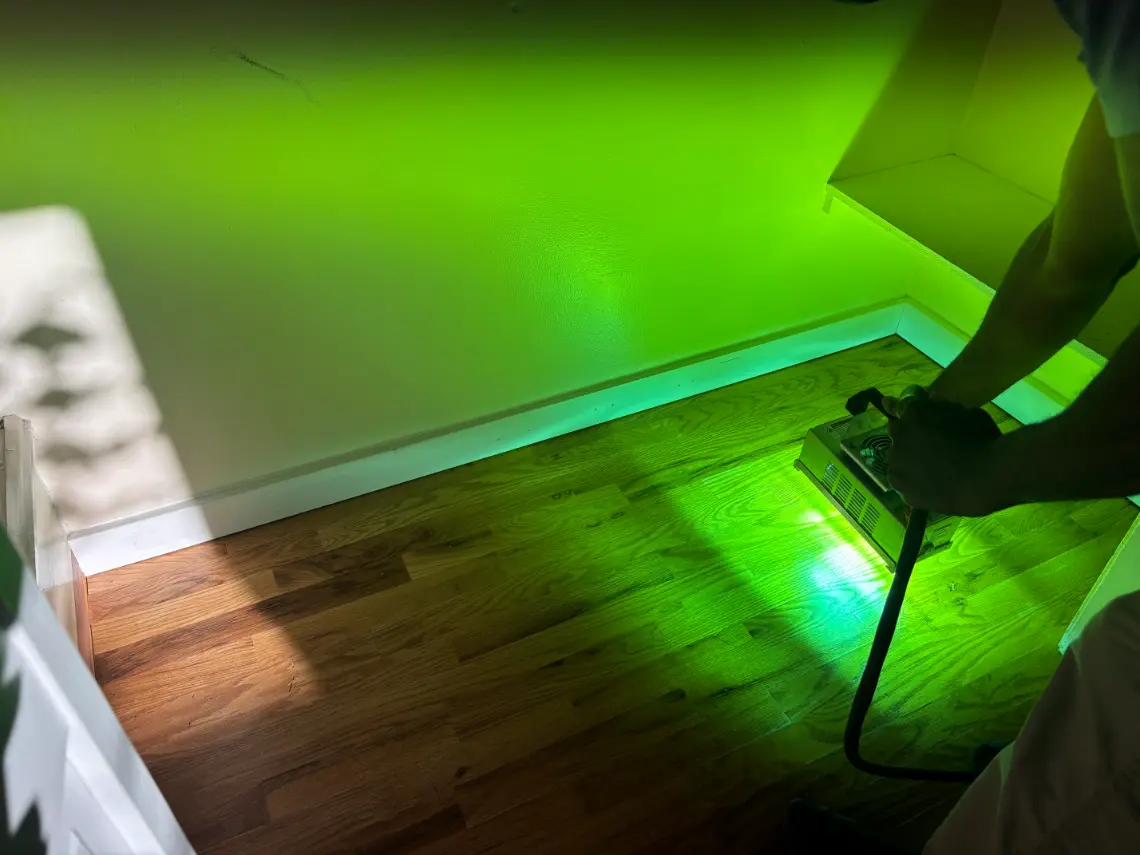
Level 1 — Topical Enzyme Treatment
Appropriate for single or recent incidents where urine has not penetrated repeatedly through backing into padding at depth.
UV light maps full contamination zone. Professional-grade enzyme pre-treatment applied at concentration calibrated for Denver Basin hard to very hard water mineral environment — above the threshold where mineral ions compete with enzyme chemistry. For Pradera and Pinery wool carpet — pH-neutral enzyme formulation confirmed before application — standard alkaline enzyme products cause permanent fiber damage on wool. Dwell time extended appropriately — enzyme chemistry requires sufficient contact time with uric acid compounds to complete molecular breakdown against Denver Basin mineral competition. Sub-surface extraction tool pulls from carpet backing and padding surface simultaneously.
Cat urine — higher uric acid concentration plus sulfur compounds require maximum enzyme concentration and extended dwell beyond standard protocol. Dog urine — higher volume per incident increases saturation depth risk particularly in larger Pinery and Pradera acreage homes with multiple dogs.
Level 2 — Restoration Treatment
Required when pet contamination has been deposited repeatedly in the same area or when a single large incident saturated through carpet face yarn, backing, full padding thickness, and into the sub-floor — OSB plywood or concrete in most Parker homes.
Carpet pulled back. Contaminated backing identified visually. Saturated padding removed and discarded. Sub-floor treated with penetrating enzymatic sealer eliminating uric acid absorbed into concrete or OSB and creating a barrier against re-migration upward. Sealer cured before reinstallation. Carpet backing and face yarn treated with enzyme solution at restoration concentration calibrated for Denver Basin mineral environment. For Pradera and Pinery wool — pH-neutral enzyme at restoration concentration. New padding installed. Carpet reinstalled. Full cleaning pass over treated area follows.
Result: permanent odor elimination. The source no longer exists — Parker heating season has nothing to reactivate from October through April.
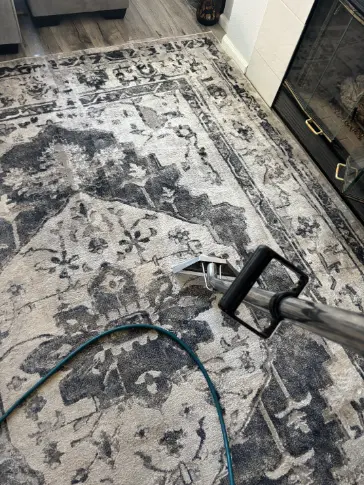
Stain Types We Address in Parker Carpet
What we regularly remove: Pet urine surface staining — fresh and set — through enzyme protocol above. Coffee and tea tannin stains — acidic chemistry, fresh stains highly removable. Red wine — tannin treatment with oxidizing spotting agents. Cooking grease and food oils — solvent-based surfactant. Blood — enzyme chemistry with cool water only — heat sets permanently. Douglas County red clay iron oxide staining — iron oxide-targeting alkaline pre-spray — specific to Parker properties with natural ground access. Pinery pine organic tannin staining — acidic pre-treatment specific to Pinery ponderosa pine debris. Compound dual staining — Pinery red clay plus pine organic — compound pre-treatment both chemistry stages applied before extraction.
Limited removability — honest assessment: Bleach damage is dye destruction — carpet dyeing or fiber repair is the appropriate solution. Old unknown stains treated with multiple consumer products — pre-tested before treatment, outcome discussed before charge. We tell you what outcome to expect before we start.
OUR 4 EASY STEPS
How to Book Stain & Odor Removal in Parker — 4 Steps
01
Call or Submit Online

Call (720) 730-8055 or submit the online form. Stain type, pet household status, fiber type — wool in Pradera or Pinery — stain history including consumer products applied, and specific concerns confirmed on the call. Parker neighborhood noted — Denver Basin enzyme calibration and Douglas County red clay mineral stain protocol prepared for dispatch.
02
Free Upfront Quote

Accurate quote before scheduling. Treatment level — topical or restoration — confirmed after UV light assessment on arrival. Pradera and Pinery wool fiber protocol confirmed and included. Pinery compound dual soil stain pre-treatment confirmed. No door-step additions — what we quote is what you pay.
03
Scheduled or Same-Day Appointment

Morning, afternoon, and after-hours slots available. Same-day pet accident treatment — call before noon for best availability. Restoration treatment scheduling — call to discuss timeline for larger scope work.
04
Certified Service & Results

UV light mapping before treatment. Fiber type confirmed — wool protocol applied where required. Stain chemistry identified before treatment. Denver Basin enzyme concentration calibrated. Treatment level confirmed before work begins. Enzyme dwell respected — not compressed for speed. Completion walkthrough before leaving.
Real Results
See the Difference for Yourself
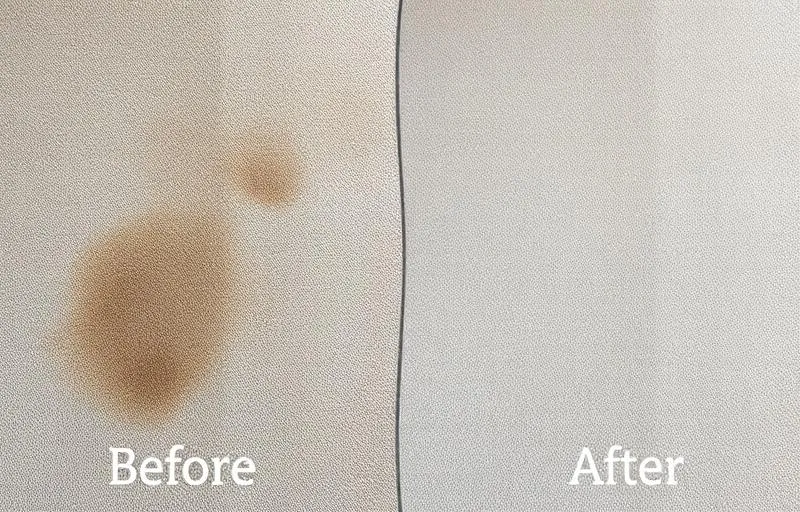
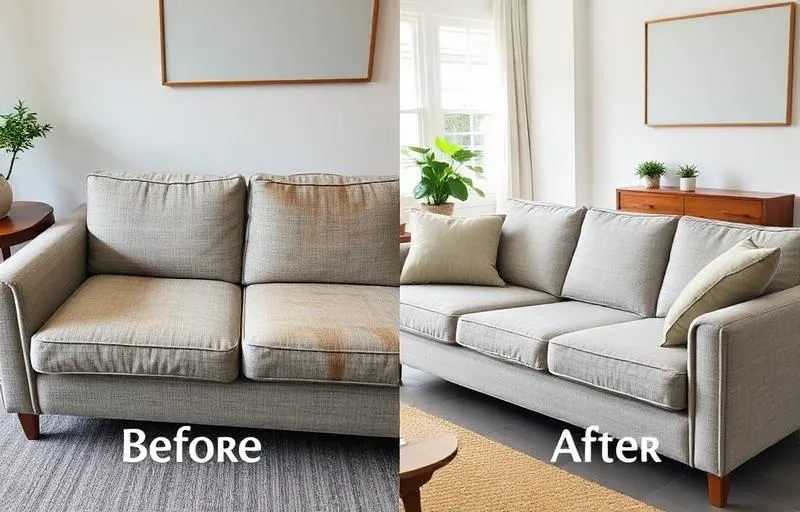
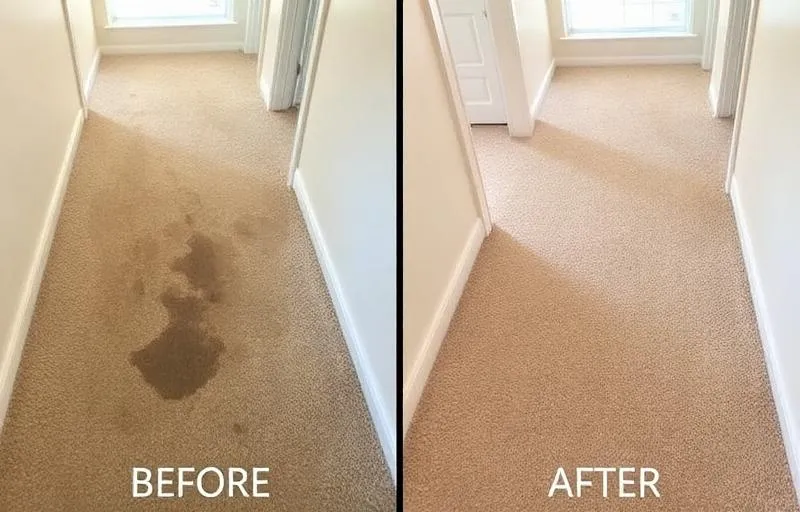
Related Services and Pages
Parker City Hub
Emergency Carpet Cleaning in Parker
Parker Specialized Sections
Carpet Cleaning in Parker
Tile & Grout Cleaning in Parker
LVT Floor Cleaning in Parker
Upholstery Cleaning in Parker
Same-Day Carpet Cleaning in Parker
FAQ
Frequently Asked Questions — Stain & Odor Removal in Parker, CO
Why does pet odor in our Parker home return every October no matter how many times we clean?
Parker forced-air heating runs October through April — seven months of sustained warm indoor air reactivating uric acid crystals from existing pet urine contamination in carpet backing and padding. Every previous cleaning that did not use enzyme pre-treatment left the crystals intact and available for October reactivation. Enzyme pre-treatment at professional concentration calibrated for Parker's Denver Basin hard to very hard water mineral environment eliminates the source at the molecular level. No source remaining means no reactivation when October heating activates next year — regardless of how many previous cleaning attempts were made.
Why doesn't enzyme cleaner from the store work in our Parker home?
Parker Water draws from the Denver Basin aquifer — hard to very hard mineral hardness. The dissolved calcium and magnesium in Parker Water create mineral ion competition with enzyme chemistry in carpet fiber. Consumer enzyme products at standard dilution are formulated for average or soft water and do not compensate for Denver Basin's mineral interference adequately. Professional enzyme application concentrates above the mineral interference threshold specific to Denver Basin conditions and dwells at the time required for complete uric acid breakdown — producing permanent elimination rather than the temporary October suppression that consumer products deliver in Parker's hard water environment.
There is a reddish-brown stain in our Parker entry carpet that nothing removes — what is it?
Douglas County red clay iron oxide tracked in from outdoor terrain on footwear. Iron oxide is a mineral stain — not a protein, tannin, or oil-based organic stain — and requires iron oxide-targeting alkaline pre-spray chemistry specifically. Standard stain removal products including enzyme treatments, acidic tannin removers, and solvent spot cleaners do not address iron oxide mineral bonding. Applying them compounds the staining rather than removing it in many cases. Iron oxide-targeting alkaline pre-spray applied and dwelled before hot water extraction removes the Douglas County red clay discoloration that every consumer product has been unable to address.
My Pinery carpet has two different stains that nothing fully fixes — what is happening?
The Pinery dual soil profile produces two distinct staining compounds simultaneously — Douglas County red clay iron oxide (mineral stain) and ponderosa pine organic debris tannin staining. Each requires a different chemistry to address and neither responds to the chemistry used for the other. Red clay requires iron oxide-targeting alkaline pre-spray. Pine organic requires acidic tannin treatment. A single pre-spray treats one component and leaves the other — which is why single-chemistry Pinery cleaning consistently fails to fully resolve the discoloration. We apply compound pre-treatment both chemistry stages on every Pinery service call.
Do you serve all Parker neighborhoods for stain and odor removal?
Yes — The Pinery, Pradera, Stonegate, Challenger Park, Lincoln Creek, Meridian, Pine Bluffs, Discovery Ridge, Stroh Ranch, Cottonwood, and all Parker residential addresses. Serving all Parker neighborhoods — same-day slots fill fast, call before noon.
Book Your Parker Stain & Odor Removal — Free Quote, Denver Basin Enzyme Protocol for Douglas County
October heating season uric acid reactivation eliminated permanently — not suppressed until next fall. Denver Basin hard to very hard water requiring enzyme concentration calibrated above consumer product threshold. Pradera and Pinery wool carpet requiring pH-neutral enzyme protocol. Douglas County red clay iron oxide staining requiring iron oxide-targeting mineral pre-spray. Pinery compound dual soil — red clay plus pine organic — requiring two-chemistry pre-treatment in one visit. UV light mapping before treatment. Two-level protocol matched to contamination depth. Serving all Parker neighborhoods — same-day slots fill fast, call before noon.
Call us at (720) 730-8055 or use the online form for a free, upfront quote. We will confirm your service area, scope, and pricing in one call.
We'll text you back within minutes. No spam, ever.
IICRC-certified carpet, tile & upholstery cleaning — Castle Rock, CO and the Denver Metro
Services
Location