🔥 Limited Time Online Only Special — 3 Rooms + Hallway $119 | Book This Week → Claim Offer


5-Star Rated · IICRC Certified · 23+ Years
LVT Floor Cleaning in Wheat Ridge, CO — pH-Neutral, Wear Layer Safe Protocol for Jefferson County Homes
That cloudy haze on your Wheat Ridge LVT is Denver Water depositing mineral scale with every mop pass — and the alkaline cleaner most people use to fix it is progressively degrading the wear layer underneath.
Wheat Ridge LVT accumulates Denver Water hard water mineral film on the wear layer with every mop cycle — calcium and magnesium scale that standard alkaline floor cleaners compound rather than address, progressively degrading the surface protection your LVT was designed to provide. Colorado Choice Carpet Cleaning provides professional LVT floor cleaning across Bel Aire, Paramount Heights, Fruitdale, Panorama Park, and all Wheat Ridge neighborhoods using pH-neutral mineral-targeting chemistry, controlled moisture extraction, and wear layer assessment before any treatment begins.
Fully certified for carpet, tile & upholstery

Trusted, vetted, and held to the highest standards.

Complete satisfaction or we come back free

5-Star Rated on Google

Business Rate Award Winner 2026
Approved By 300+ Of Wheat Ridge Customers ✅
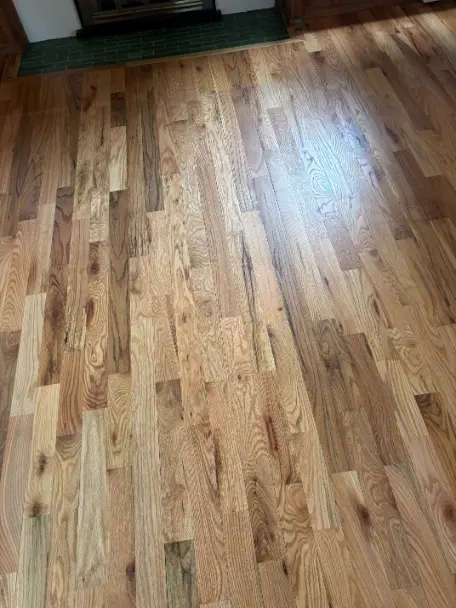
Why Wheat Ridge LVT Gets Dull and Hazy Faster — Douglas County Hard Water at Altitude
Denver Water Mineral Film — The Root Cause of That White Haze
Every mop pass across Wheat Ridge LVT deposits dissolved calcium and magnesium from Denver Water supply on the wear layer surface as the water evaporates. At Wheat Ridge's elevation range — 5,400 to 5,600 feet — Colorado's low humidity accelerates that evaporation faster than at sea level. Mineral deposits form in higher concentration per mop cycle in Wheat Ridge than in soft-water lower-elevation locations. The white haze or cloudy surface returning to your Wheat Ridge LVT within days of mopping is calcium carbonate and magnesium scale from the mop water itself — not surface dirt the cleaning missed. Every mop pass adds another mineral layer. Professional pH-neutral mineral-targeting extraction removes the accumulated load that mopping has been building cycle after cycle.
Why Standard Floor Cleaners Make Wheat Ridge LVT Worse Over Time
Most consumer LVT cleaning products contain mild alkaline chemistry — pH 8 to 9 — to cut through general soil. Applied repeatedly on Wheat Ridge LVT with Denver Water, two compounding damage mechanisms occur simultaneously. First — calcium and magnesium from Denver Water deposit in the microscopic surface texture of the wear layer with every mop cycle. Second — alkaline chemistry above pH 8 applied repeatedly begins degrading the wear layer bond, progressively clouding the surface. The result looks like permanently hazy LVT that gets worse with every cleaning attempt — because the cleaning method is the source of the problem. LVT manufacturers universally specify pH-neutral cleaners — products like Rejuvenate Luxury Vinyl Floor Cleaner, Bona Pro LVP Cleaner, and Zep Neutral Floor Cleaner — for this exact reason. pH-neutral mineral-targeting chemistry at pH 7 is the only correct approach for Wheat Ridge LVT mineral removal.
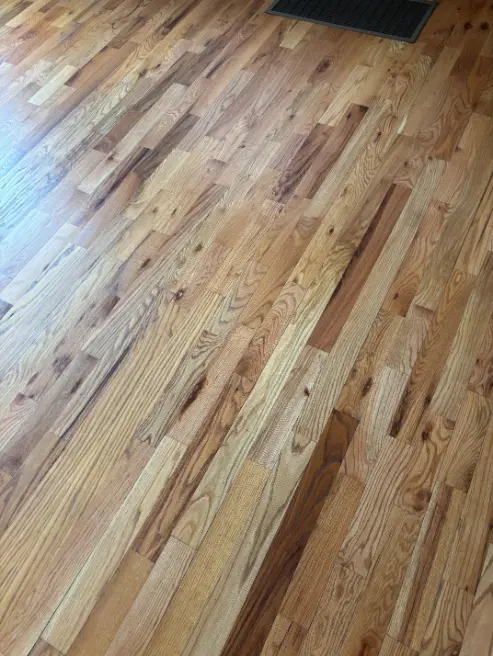
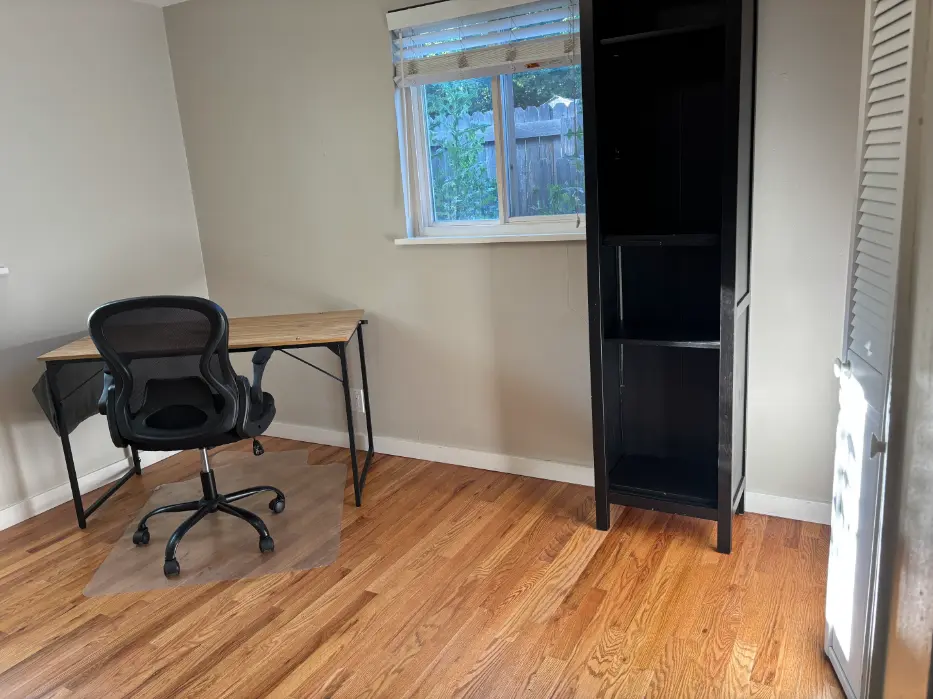
Applewood Border Grit — The Abrasive Scratch Risk Before Wet Cleaning
Wheat Ridge LVT near Kipling Street and the Applewood border faces an abrasive scratch risk that enclosed flat suburban neighborhoods do not. Jefferson County foothills clay iron oxide and decomposed granite particulate tracked in from Applewood terrain on footwear are more abrasive than standard urban soil. If foothills grit is present on LVT when wet cleaning begins — dragged across the wear layer by the cleaning motion — microscopic scratches accumulate into visible surface dulling over time. Every LVT manufacturer recommends daily dry sweeping or soft-bristle vacuuming before any wet cleaning precisely to remove this abrasive grit. Pre-vacuuming before wet cleaning is more impactful in Applewood border and Kipling Street corridor Wheat Ridge properties than in any other Wheat Ridge neighborhood.
Steam Mops — Why They Damage Wheat Ridge LVT
Steam mops are the most frequent LVT damage source we encounter in Wheat Ridge homes — a logical but incorrect choice for homeowners trying to address mineral haze that standard mopping cannot remove. Steam applies high-temperature vapor and condensed moisture to LVT seams — the heat causes expansion while the moisture penetrates through seam joints to the adhesive layer beneath. Seam delamination, board lifting, and warping result. Most LVT manufacturer warranties explicitly exclude steam cleaning damage from coverage. pH-neutral damp microfiber mop between professional cleaning cycles — never a steam mop — is the correct Wheat Ridge LVT maintenance method.
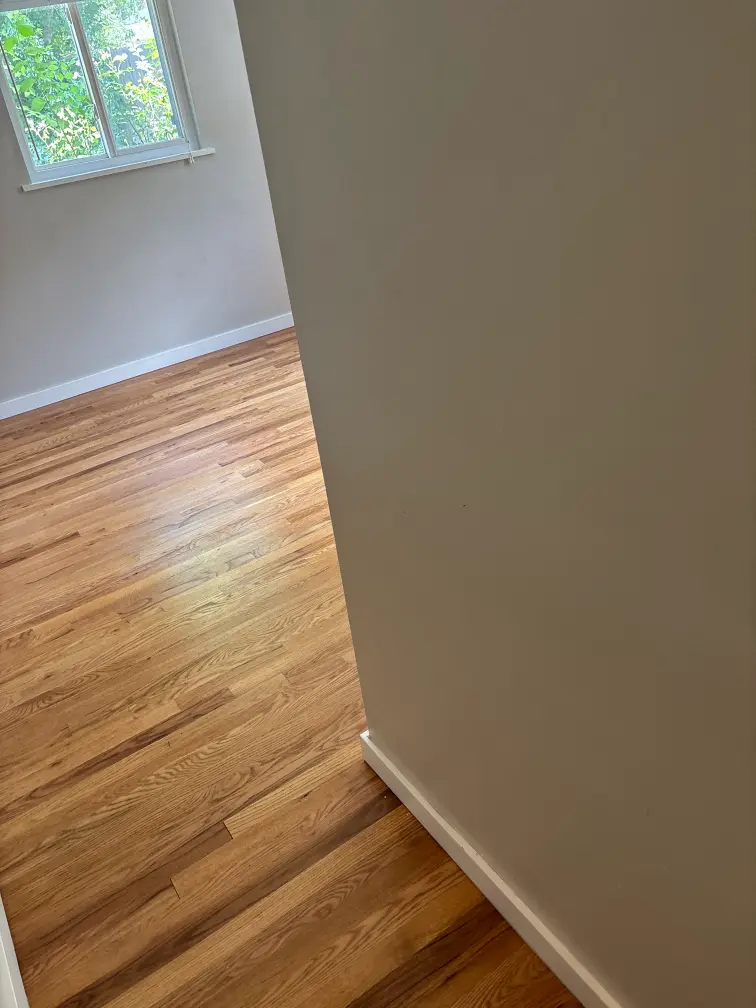
How We Know Highlands Ranch
Highlands Ranch LVT jobs divide into two distinct pre-inspection conversations depending on neighborhood and build era — and the honest assessment before cleaning starts is different for each.
BackCountry and Firelight newer construction — LVT installations from the last five to ten years. Steam mop damage is the most consistent finding in these homes. The haze is present, the homeowner has been steam mopping since move-in because it felt like the right tool for a hard-surface floor, and the question we have to answer honestly at pre-inspection is whether the presenting haze is restorable mineral accumulation or permanent polymer degradation from heat contact. Mineral accumulation responds to professional cleaning. Steam-degraded wear layer does not. We make that distinction clearly before any cleaning commitment is made.
Westridge and Northridge older construction where LVT replaced original carpet or tile in the last ten to fifteen years — the finding is usually the other damage source: alkaline chemistry applied over years because the homeowner used the same multipurpose cleaner on the LVT that they had been using on the old ceramic tile. Alkaline wear layer damage at the pH-above-8 range is also permanent. Mineral accumulation on top of a still-intact wear layer in these homes responds well to professional cleaning.
Twenty-three years of Highlands Ranch floor jobs means we know which question to ask at which front door before the inspection starts — and we give the same honest answer either way.
Spring and Fall LVT Cleaning in Highlands Ranch — When Each Matters
April — post-winter cleaning — is the higher-value of the two annual windows for Highlands Ranch LVT.
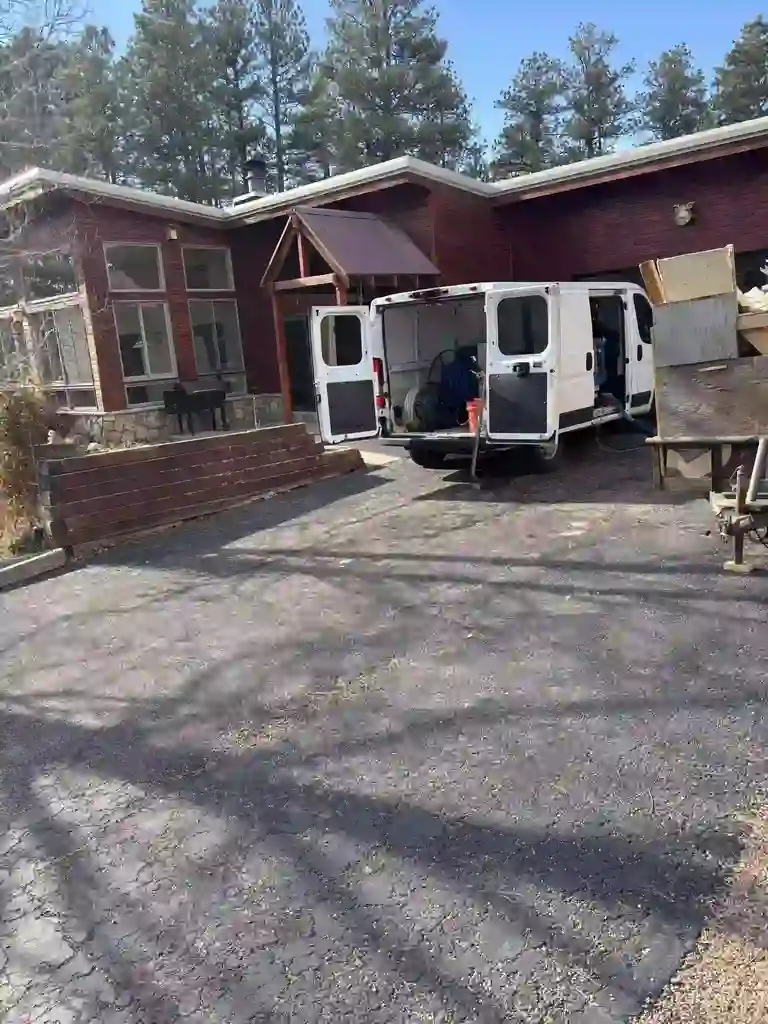
Road treatment chemical application on Highlands Ranch streets runs October through April. Magnesium chloride and calcium chloride tracked in on wet winter footwear leave white crystalline deposits across entry and hallway LVT through the entire season. By April, the accumulation is at its peak — five to six months of daily chemical tracking, compounded by hard water mineral deposits from winter mopping cycles during the same period. April professional cleaning removes both the road chemical crystalline layer and the winter hard water mineral accumulation before spring traffic grinds them into wear layer surface texture recesses.
September or early fall — pre-winter cleaning — addresses the summer accumulation before indoor conditions change. Summer in Highlands Ranch means open windows, increased outdoor activity, and higher red clay tracking volume from trail access and landscaping contact. Red clay iron oxide grit that has accumulated in wear layer texture recesses through summer is best removed before the heating season closes windows and reduces ventilation for floor drying. Cleaning in September removes summer grit load and resets the LVT surface before road treatment season begins in October.
Single annual cleaning — April is the higher-value slot. Twice-annual — September and April — is the right interval for entry LVT with heavy red clay tracking, kitchen LVT with cooking grease accumulation, and any Highlands Ranch home where the mop water hardness mineral cycle has been running unchecked for more than two years.
LVT Floor Profile Across Wheat Ridge Communities
Fruitdale and Light Rail Corridor — Updated Rental Unit LVT
Fruitdale and light rail corridor rental properties with updated kitchens and bathrooms frequently have LVT replacing original vinyl sheet or ceramic tile as the primary hard floor surface. LVT in these Wheat Ridge rental renovations starts accumulating Denver Water mineral film from the first mop cycle of first occupancy. Light rail corridor and Fruitdale rental property LVT cleaning is one of the most consistent Wheat Ridge LVT cleaning requests — tenant turnover LVT cleaning addressing mineral film buildup and general tenancy soil between occupancies on timelines that fit property management windows.
Panorama Park — Updated Kitchens and Standard Residential LVT
Panorama Park homes with updated kitchens frequently have LVT replacing original vinyl or ceramic tile as the primary kitchen and bathroom hard floor surface. LVT in these Wheat Ridge renovations starts accumulating Denver Water mineral film from the first mop cycle. Standard pH-neutral mineral-targeting extraction with appropriate dwell time addresses the Denver Water mineral film that forms faster at Wheat Ridge elevation than at lower-elevation flat Front Range neighborhoods.
Applewood Border Properties — Foothills Grit on LVT
Applewood border and Kipling Street corridor LVT faces the dual challenge that flat Wheat Ridge neighborhoods do not — Denver Water mineral film accumulation on top of foothills clay iron oxide grit tracking from Applewood outdoor terrain. Pre-vacuuming with soft-bristle attachment before every wet cleaning pass is non-negotiable on Applewood border LVT. Foothills clay dragged across the wear layer during wet cleaning creates scratches that accumulate into permanent surface dulling. pH-neutral cleaning with mineral-targeting chemistry then addresses the Denver Water mineral film after the abrasive grit is removed.
Bel Aire and Paramount Heights — LVT in Updated Service Areas
Bel Aire and Paramount Heights higher-value homes with hardwood throughout main living areas frequently have LVT in updated kitchen service areas, mudrooms, and utility spaces. High-traffic areas where Denver Water mineral deposits and Applewood border foothills clay accumulate fastest. pH-neutral mineral-targeting cleaning matched to Wheat Ridge's Denver Water profile before controlled moisture extraction — same specialist approach appropriate for the premium surfaces throughout these established Wheat Ridge communities.
Our LVT Floor Cleaning Process for Wheat Ridge Homes
Step 1 — Wear Layer Assessment
LVT condition assessed before any chemistry is applied. Existing damage — steam delamination at seams, alkaline wear layer clouding, scratch accumulation from Applewood border abrasive grit — identified and discussed honestly before cleaning commitment is made. Denver Water mineral film on wear layer surface distinguished from permanent wear layer degradation caused by alkaline cleaner use. Where existing damage exists — realistic outcome communicated before service begins. We do not charge for a result the LVT condition cannot deliver.
Step 2 — Pre-Vacuuming — Applewood Border Grit Removal
Soft-bristle vacuum attachment removes all Wheat Ridge abrasive surface particulate — Applewood border foothills clay iron oxide, decomposed granite particles, and road treatment chemical crystals from October through April — before any wet cleaning begins. This step is more impactful in Applewood border and Kipling Street corridor properties than in any other Wheat Ridge neighborhood. Abrasive grit dragged across LVT during wet cleaning creates wear layer scratches that accumulate into permanent surface dulling — pre-vacuuming prevents this before it begins.
Step 3 — pH-Neutral Mineral-Targeting Pre-Treatment
pH-neutral chemistry at pH 7 — never above — applied to LVT surface. Mineral-targeting formulation dissolves calcium carbonate and magnesium scale from Denver Water without the alkaline chemistry that degrades the wear layer. Dwell time appropriate to mineral accumulation depth — Wheat Ridge LVT with extended alkaline cleaner history may require extended dwell to address layered mineral deposits. No standard consumer LVT cleaner used at full concentration during professional service. No acidic descaler — acid-based mineral treatment safe on ceramic tile damages LVT wear layer surface on contact.
Step 4 — Controlled Moisture Extraction
Low-moisture extraction removes dissolved mineral load, detergent residue, and contamination from LVT surface simultaneously with moisture application — not leaving solution to air-dry with Denver Water mineral residue on the wear layer. Microfiber extraction pad at near-dry moisture level. No standing water on Wheat Ridge LVT seams at any point during cleaning. Immediate moisture removal eliminates the air-drying mineral deposit risk that consumer mop cleaning compounds with every use.
Post-Cleaning Inspection and Maintenance Guidance
Post-cleaning inspection confirms mineral film removal and wear layer clarity. Any remaining mineral concentrations receive targeted pH-neutral spot treatment. Maintenance guidance specific to Denver Water conditions provided — pH-neutral LVT-specific cleaner such as Rejuvenate Luxury Vinyl Floor Cleaner or Bona Pro LVP Cleaner at correct dilution, soft microfiber mop at near-dry moisture level, soft-bristle pre-vacuuming before every wet cleaning pass especially in Applewood border adjacent properties. Following this protocol slows Wheat Ridge Denver Water mineral re-accumulation significantly between professional cleaning cycles.
OUR 4 EASY STEPS
How to Book LVT Floor Cleaning in Wheat Ridge — 4 Steps
01
Call or Submit Online

Call (720) 730-8055 or submit the online form. LVT age, neighborhood — Fruitdale, Panorama Park, Applewood border, Bel Aire, Paramount Heights, light rail corridor — existing concerns — mineral haze, steam damage, surface scratching — and room scope confirmed on the call. Applewood border foothills grit pre-vacuuming protocol noted for dispatch.
02
Free Upfront Quote

Accurate quote before scheduling. Wear layer condition assessment included on arrival. Existing steam or alkaline damage identified and outcome discussed honestly before charge. No door-step additions — what we quote is what you pay.
03
Scheduled or Same-Day Appointment

Morning, afternoon, and after-hours slots available. Same-day — call before noon for best availability. Emergency — call directly for immediate response.
04
Certified Service & Results

Wear layer assessment before treatment. Pre-vacuuming Applewood border foothills grit before wet cleaning. pH-neutral mineral-targeting chemistry only. Controlled moisture extraction. Post-cleaning maintenance guidance specific to Denver Water conditions. Completion walkthrough before leaving.
Real Results
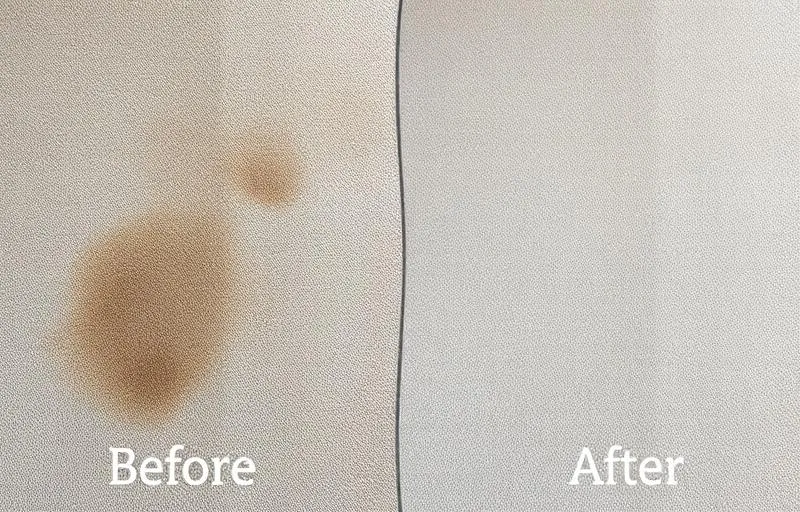
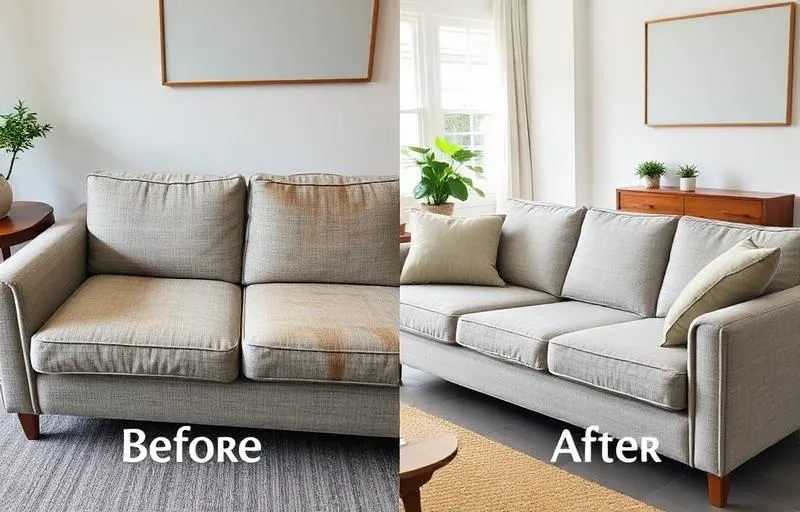
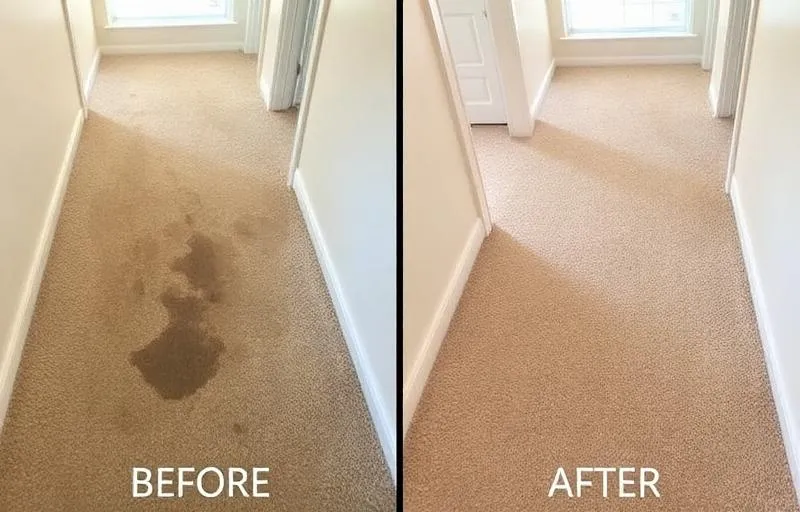
See the Difference for Yourself
Related Services and Pages
Wheat Ridge City Hub
Emergency Carpet Cleaning in Wheat Ridge
Wheat Ridge Specialized Sections
Carpet Cleaning in Wheat Ridge
Stain & Odor Removal in Wheat Ridge
Tile & Grout Cleaning in Wheat Ridge
Upholstery Cleaning in Wheat Ridge
Same-Day Carpet Cleaning in Wheat Ridge
FAQ
Frequently Asked Questions — LVT Floor Cleaning in Wheat Ridge
Why does my Wheat Ridge LVT look cloudy and hazy no matter how often I clean it?
Denver Water carries dissolved calcium and magnesium that deposits on the LVT wear layer as mop water evaporates. At Wheat Ridge's elevation, Colorado's low humidity accelerates evaporation — mineral deposits build faster per mop cycle than at sea level. The cloudy or hazy surface returning within days of mopping is hard water mineral accumulation from the mop water itself — not a cleaning frequency problem. Professional pH-neutral mineral-targeting extraction removes the accumulated mineral layer. Switching to a pH-neutral LVT-specific cleaner such as Rejuvenate Luxury Vinyl Floor Cleaner or Bona Pro LVP Cleaner at correct dilution with a nearly dry microfiber mop slows re-accumulation significantly between professional cleaning cycles.
Can steam cleaning remove the mineral haze from my Wheat Ridge LVT?
No — and steam cleaning is the worst approach for mineral-hazed Wheat Ridge LVT. Steam applies high-temperature vapor and condensed moisture to LVT seams causing delamination, board lifting, and warping. Most LVT manufacturer warranties explicitly exclude steam cleaning damage. The correct approach is pH-neutral damp microfiber extraction — removing the mineral film without the heat and moisture seam penetration risk that steam introduces. If your LVT currently has steam damage — seam lifting, board warping — we assess the condition honestly on arrival before any commitment is made.
Can steam mop damage be repaired on Highlands Ranch LVT?
Jefferson County foothills clay and decomposed granite from Applewood terrain tracked in on footwear are more abrasive than standard urban soil. If foothills grit is present on LVT during wet cleaning — dragged across the wear layer by the mop — microscopic scratches accumulate into visible surface dulling over time. Pre-vacuuming with a soft-bristle attachment before every wet cleaning pass removes the abrasive grit before it becomes a wear layer scratch risk. This is the single most impactful protective step for Applewood border and Kipling Street corridor Wheat Ridge LVT.
Why does my Applewood border LVT look scratched even though I clean it regularly?
Jefferson County foothills clay and decomposed granite from Applewood terrain tracked in on footwear are more abrasive than standard urban soil. If foothills grit is present on LVT during wet cleaning — dragged across the wear layer by the mop — microscopic scratches accumulate into visible surface dulling over time. Pre-vacuuming with a soft-bristle attachment before every wet cleaning pass removes the abrasive grit before it becomes a wear layer scratch risk. This is the single most impactful protective step for Applewood border and Kipling Street corridor Wheat Ridge LVT.
How often should Wheat Ridge LVT be professionally cleaned?
Every 12 to 18 months for Wheat Ridge residential LVT — shorter than the national recommendation because Denver Water hardness accumulates mineral deposits on wear layers faster than soft-water locations. Following pH-neutral maintenance protocol between professional cleanings extends the interval. LVT in high-traffic entry and kitchen areas adjacent to the Applewood border with consistent foothills grit tracking may benefit from annual professional cleaning to prevent abrasive grit compaction on the wear layer surface.
Do you serve all Wheat Ridge neighborhoods for LVT floor cleaning?
Yes — Bel Aire, Paramount Heights, Fruitdale, Panorama Park, Applewood border properties, light rail corridor rental units, and all Wheat Ridge residential addresses. Serving all Wheat Ridge neighborhoods — same-day slots fill fast, call before noon.
Book Your Wheat Ridge LVT Floor Cleaning — Free Quote, Hard Water Specialist Protocol
Denver Water mineral film depositing on Wheat Ridge LVT wear layers with every mop cycle. Standard alkaline cleaners compounding the damage rather than resolving it. Applewood border foothills clay grit requiring pre-vacuuming before every wet cleaning pass. Steam damage risk voiding most manufacturer warranties. pH-neutral mineral-targeting chemistry only — pH 7, no exceptions. Wear layer assessed before treatment. Controlled moisture extraction — no standing water, no air-dried mineral residue. Maintenance guidance specific to Denver Water conditions. Serving all Wheat Ridge neighborhoods — same-day slots fill fast, call before noon.
Call us at (720) 730-8055 or use the online form for a free, upfront quote. We will confirm your service area, scope, and pricing in one call.
We'll text you back within minutes. No spam, ever.
IICRC-certified carpet, tile & upholstery cleaning — Castle Rock, CO and the Denver Metro
Services
Location