🔥 Limited Time Online Only Special — 3 Rooms + Hallway $119 | Book This Week → Claim Offer


5-Star Rated · IICRC Certified · 23+ Years
Emergency Carpet Cleaning in Sedalia, CO — 24/7 Response for Burst Pipes, Plum Creek Spring Flooding, and Acreage Water Events
Burst supply line in a Sedalia acreage home during a February cold snap at 6,000+ feet. Plum Creek spring snowmelt reaching low-lying Sedalia carpet in March. Appliance overflow in a rural property discovered hours after the event. Septic backup on an acreage property with no municipal sewer. Mold germination starts in 24 to 48 hours from saturation — not from when you call.
Sedalia emergency carpet cleaning events include the water damage situations specific to Douglas County semi-rural acreage life — older acreage plumbing burst pipe events during October through March temperature cycling at 6,000 to 6,300 feet, Plum Creek spring flooding reaching low-lying Sedalia terrain-adjacent properties from March through May, and rural acreage properties on septic systems facing backup black water events without municipal sewer alternatives. Colorado Choice Carpet Cleaning responds to Sedalia emergency carpet cleaning calls 24/7 from Castle Rock via US-85 — your closest IICRC-certified emergency water extraction operation — with Denver Basin mineral residue post-extraction treatment and Douglas County red clay iron oxide protocol that standard emergency services do not apply.

Fully certified for carpet, tile & upholstery

Trusted, vetted, and held to the highest standards.

Complete satisfaction or we come back free

5-Star Rated on Google

Business Rate Award Winner 2026
Approved By 300+ Of Sedalia Customers ✅
The Emergency Carpet Damage Timeline — Why Every Hour Counts
0 to 24 Hours — The Extraction Window
In the first hours after water saturation, carpet fiber, backing, and padding are absorbing moisture actively. The carpet surface may feel damp rather than soaked — below the surface, padding is saturated and moisture is migrating toward the sub-floor. Professional extraction within this window produces the highest carpet recovery outcome. Sedalia clean water events — burst supply pipe in older acreage plumbing, appliance line failure — extracted within 24 hours with padding dried or replaced and sub-floor moisture addressed have the greatest chance of full carpet restoration without mold involvement. In Sedalia acreage properties with larger floor plate areas, water from a burst event can travel significant distances across open floor plans before discovery — increasing the saturation footprint compared to smaller suburban properties. Every hour inside the 24-hour extraction window counts. Call immediately on discovery — do not wait.
24 to 48 Hours — Mold Germination Begins
Saturated carpet padding provides simultaneously the moisture, warmth, and organic nutrient source that mold requires. At standard Sedalia indoor temperatures during heating season — 65°F to 72°F from October through April — mold germination begins in padding at the 24 to 48 hour mark. Once mold establishes, surface extraction alone does not resolve the situation. Padding removal and sub-floor treatment become required — a significantly larger scope and cost than emergency extraction within the first window. Every additional hour of delay after the 24-hour mark expands the remediation scope required — particularly in larger Sedalia acreage properties where the mold establishment area can be significant.
Beyond 48 Hours — Secondary Damage
Delay beyond 48 hours produces secondary damage. Mold colonies establish in padding and migrate to carpet backing and sub-floor. OSB plywood sub-floors in older Sedalia acreage builds warp and delaminate. Denver Basin hard to very hard water mineral residue from Sedalia's water supply deposits in carpet fiber as flood water dries — requiring pH-neutral Denver Basin mineral-targeting treatment after extraction chemistry in addition to standard water damage cleaning. Douglas County red clay iron oxide tracked into entry carpet before the water event compounds with flood water mineral residue — both components set more permanently with each additional hour before professional treatment begins. Call immediately.
Emergency Carpet Situations Specific to Sedalia Acreage and Semi-Rural Properties
Older Sedalia Acreage Plumbing — Burst Pipe Risk During October Through March Temperature Cycling
Older Sedalia acreage homes carry aging copper and galvanized steel supply lines subjected to October through March temperature cycling at 6,000 to 6,300 feet — warm days and below-freezing nights that stress aging connection points more severely than at lower-elevation suburban communities. Sedalia's semi-rural building footprint means supply lines in unheated crawl spaces, outbuilding connections, and exterior wall runs of older acreage properties have greater cold air exposure than enclosed suburban construction. Burst pipe emergencies in Sedalia's older acreage properties peak during January and February cold snaps — when sustained below-freezing overnight temperatures at Douglas County's higher-elevation western corridor create concentrated supply line stress. A single burst supply line in an acreage home discharges significant water volume before the shutoff is located — particularly in properties where the water main shutoff requires outdoor access in subfreezing conditions.
Plum Creek Spring Flooding — March Through May Sedalia Drainage Risk
Plum Creek flows through the Sedalia area — and properties in low-lying terrain adjacent to Plum Creek drainage pathways face spring snowmelt flooding events from March through May that higher-elevation or upslope properties do not experience. Heavy snowmelt from the Rampart Range and Sedalia-area Douglas County terrain combined with spring rain events produces creek drainage flooding for Plum Creek Road corridor properties and acreage parcels in drainage convergence zones without adequate waterproofing or sump pump systems. Creek drainage intrusion is classified as grey water — carrying outdoor biological material, Douglas County red clay iron oxide particulate from surrounding terrain, and spring organic debris. Call immediately on discovery regardless of whether the water entry appears minor.
Sedalia Rural Septic Properties — Black Water Protocol
Sedalia rural acreage properties on septic systems face the same black water risk as other rural Douglas County communities — septic system backup releases sewage waste without the municipal sewer alternative available in urban communities. Black water contamination is the highest contamination level — human pathogens, bacteria, viruses — requiring biohazard extraction protocol. Carpet and padding disposal is the standard recommendation given the contamination level. We assess on arrival and advise honestly on restoration versus disposal before any work begins. Do not walk through black water contaminated areas without protective footwear.
Denver Basin Mineral Residue in Sedalia Flood Water
Sedalia draws from the Denver Basin aquifer — hard to very hard mineral hardness carrying dissolved calcium and magnesium. Mineral ions remain in carpet fiber as Sedalia flood water is extracted and the carpet dries — depositing calcium and magnesium mineral residue that requires pH-neutral Denver Basin mineral-targeting treatment after standard water damage extraction chemistry. Douglas County red clay iron oxide in flood water from terrain tracking before or during the water event adds a compound iron contamination component requiring iron oxide-targeting chemistry alongside standard Denver Basin mineral treatment. Both Sedalia-specific post-extraction treatment steps are included in every Sedalia emergency protocol regardless of property location.
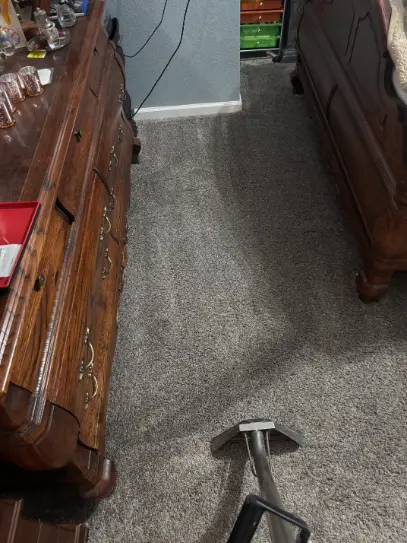
Water Damage Classification — What Category Determines Protocol and Recovery
Clean Water Events Burst supply pipes in older Sedalia acreage plumbing, appliance line failure, water heater discharge. Lowest contamination risk. Highest carpet recovery rate when extracted within 24 hours. Standard extraction and cleaning protocol plus Sedalia-specific Denver Basin mineral residue and Douglas County red clay post-extraction treatment. Most common Sedalia winter emergency — older acreage plumbing during October through March temperature cycling at Sedalia elevation.
Grey Water Events Washing machine overflow, dishwasher discharge, Plum Creek spring drainage basement flooding. Microbiological contamination requiring disinfection protocol alongside extraction. Carpet recovery possible with prompt response. Padding replacement typically required. Plum Creek spring drainage carries Douglas County red clay iron oxide from surrounding terrain — iron oxide-targeting treatment combined with disinfection and standard extraction chemistry.
Black Water Events Septic system backup on Sedalia rural acreage properties. Sewage waste — human pathogens, bacteria, viruses. Biohazard extraction protocol. Carpet and padding disposal standard recommendation. We assess on arrival and advise on disposal versus restoration before work begins.
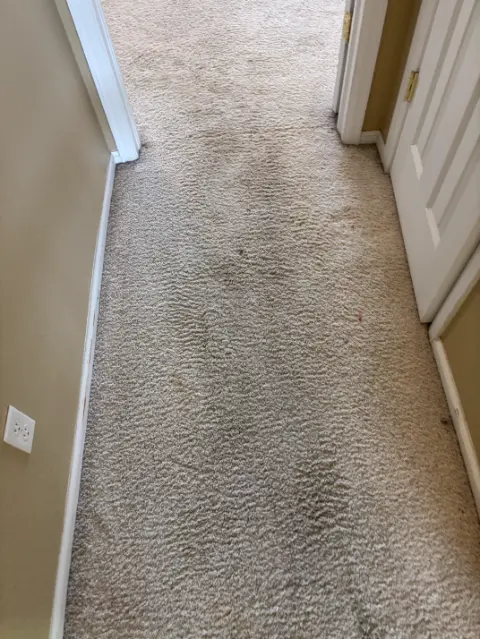
Our Emergency Carpet Cleaning Process for Sedalia Properties
Step 1 — Emergency Call Assessment
Sedalia emergency calls receive immediate assessment — water source, estimated discharge volume, area affected, standing water presence, saturation duration, and property type confirmed on the call. Older acreage plumbing burst pipe context noted — Denver Basin mineral residue treatment and Douglas County red clay compound treatment planned. Plum Creek spring drainage context — grey water disinfection protocol confirmed. Septic backup — black water biohazard protocol confirmed before dispatch. Castle Rock dispatch begins immediately via US-85.
Step 2 — On-Site Damage Assessment
Water damage level confirmed on arrival. Moisture meters measure saturation in carpet fiber, padding, and sub-floor — establishing full extent beyond the visibly wet area. Sedalia acreage properties — moisture meter assessment covers the full property footprint given potential water travel distance across larger floor plans. Denver Basin mineral concentration in flood water noted. Douglas County red clay iron oxide in flood water noted where terrain tracking preceded the water event. Treatment scope confirmed and discussed before work begins.
Step 3 — Standing Water Extraction and Truck-Mounted Extraction
High-volume water extraction pumps remove bulk standing water before truck-mounted extraction begins. Truck-mounted extraction delivers the highest suction volume available — critical for larger Sedalia acreage properties with significant saturation areas from older plumbing burst events. Multiple extraction passes until moisture meter confirms minimum achievable moisture level. Disinfection chemistry applied based on water damage level confirmed on arrival.
Step 4 — Padding Assessment, Sub-Floor Treatment, and Sedalia Denver Basin Mineral Protocol
Padding saturated less than 24 hours in a clean water event — assessed for salvage potential. Padding saturated beyond 24 hours, grey or black water events, and any padding with mold presence — removed and replaced. Sub-floor moisture confirmed by moisture meter after padding removal. Older Sedalia acreage OSB plywood sub-floors assessed for warping and structural integrity. Denver Basin mineral residue in carpet fiber — pH-neutral Denver Basin mineral-targeting treatment applied after standard extraction chemistry. Douglas County red clay iron oxide residue in flood water — iron oxide-targeting chemistry applied alongside the mineral treatment where red clay contamination is confirmed.
OUR 4 EASY STEPS
What to Do Right Now — Emergency Carpet Cleaning in Sedalia
01
Call or Submit Online

Call (720) 730-8055 now. For older acreage plumbing burst events — locate the water main shutoff first, then call. For septic backup — do not walk through contaminated areas before calling. Water source, area affected, and saturation duration confirmed on the call. Castle Rock dispatch begins immediately via US-85.
02
Arrival and On-Site Assessment

Moisture meter assessment of full saturation extent across Sedalia property footprint. Water damage level confirmed on arrival. Denver Basin mineral concentration and Douglas County red clay in flood water noted. Treatment scope confirmed before work begins.
03
Emergency Extraction

High-volume pump extraction for standing water where present. Truck-mounted extraction — multiple passes until moisture meter confirms minimum achievable saturation. Disinfection chemistry applied based on water damage level.
04
Padding Assessment, Sub-Floor Treatment

Padding salvage or replacement decision made on arrival assessment. Sub-floor moisture addressed and OSB integrity confirmed in older Sedalia acreage builds. Denver Basin mineral residue and Douglas County red clay residue treated with pH-neutral mineral and iron oxide-targeting chemistry. Drying guidance specific to Sedalia indoor conditions and elevation.
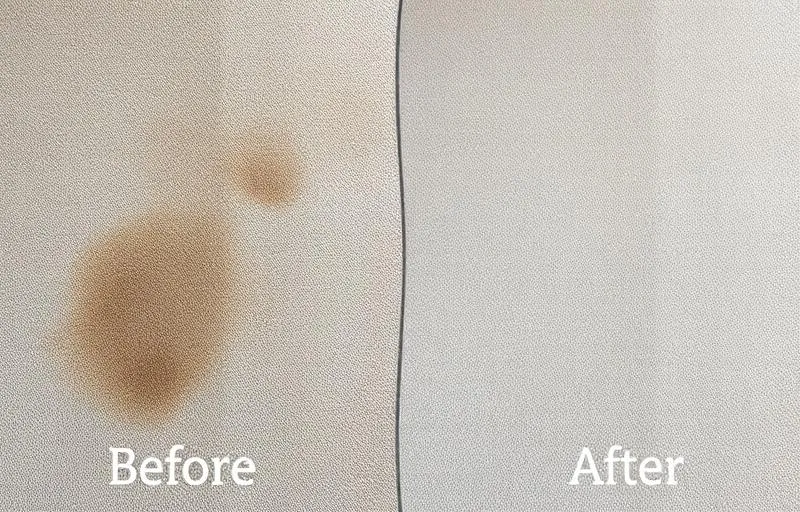
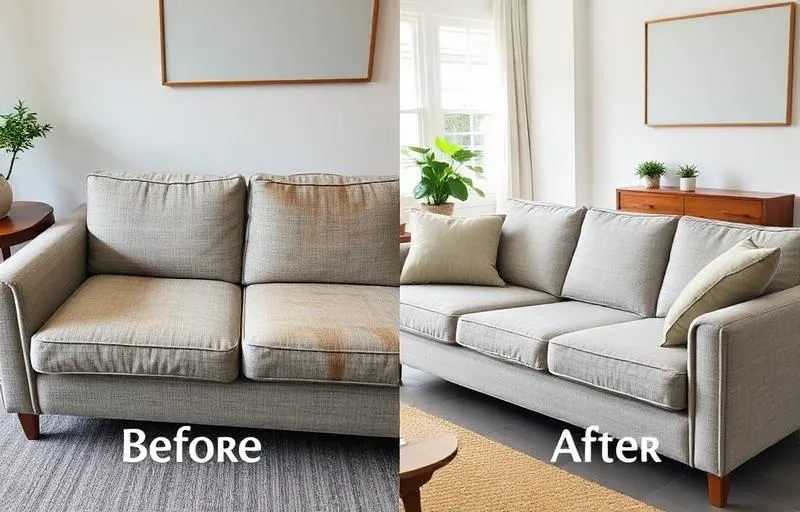
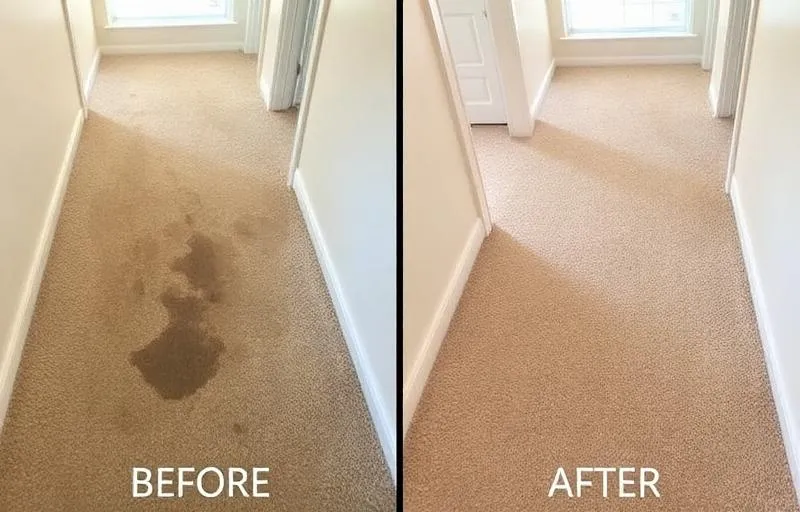
Real Results
See the Difference for Yourself
Related Services and Pages
Sedalia City
Same-Day Carpet Cleaning in Sedalia
Sedalia Specialized Sections
Carpet Cleaning in Sedalia
Stain & Odor Removal in Sedalia
Tile & Grout Cleaning in Sedalia
LVT Floor Cleaning in Sedalia
Upholstery Cleaning in Sedalia
Real Cleaning Stories & Carpet Care Tips
Explore real carpet, tile, upholstery, and hardwood cleaning jobs from across Colorado. We share actual stain removal cases, restoration challenges, and professional cleaning insights based on decades of hands-on experience.
No blogs found
FAQs
Frequently Asked Questions — Emergency Carpet Cleaning in Sedalia, CO
How quickly can you arrive for a carpet emergency in Sedalia?
We respond to Sedalia emergency calls 24/7 from Castle Rock via US-85 — the closest IICRC-certified emergency water extraction operation to Sedalia in Douglas County. Call (720) 730-8055 immediately on discovering water damage. We confirm arrival time on the call based on current dispatch. Do not wait to assess the damage further before calling. The mold germination clock starts from saturation — every hour inside the 24-hour extraction window matters in Sedalia's larger acreage properties.
Why do older Sedalia acreage homes have higher burst pipe risk in winter?
Sedalia acreage homes with aging copper and galvanized steel supply lines face October through March temperature cycling at 6,000 to 6,300 feet — warm days and sustained below-freezing nights that stress older supply line connection points more severely than at lower-elevation suburban communities. The semi-rural building footprint of Sedalia acreage properties means supply lines in unheated crawl spaces and exterior wall runs have greater cold air exposure than enclosed construction. January and February cold snaps are the peak burst pipe period for older Sedalia acreage plumbing given sustained below-freezing overnight temperatures at Douglas County's higher-elevation western corridor.
My Sedalia property is near Plum Creek — what is the flooding protocol?
Plum Creek spring snowmelt and rain flooding is classified as grey water — carrying outdoor biological material and Douglas County red clay iron oxide particulate from surrounding terrain. Grey water requires disinfection protocol in addition to standard extraction — not just water removal. Padding replacement is typically required given the contamination level. Douglas County red clay iron oxide in creek drainage water requires iron oxide-targeting treatment alongside standard disinfection and extraction chemistry. We assess the contamination profile on arrival and advise on the appropriate protocol before work begins.
Does Denver Basin hard water affect emergency carpet cleaning in Sedalia?
Yes — a Sedalia-specific consideration. Denver Basin hard to very hard water carries dissolved calcium and magnesium that deposit as mineral residue in carpet fiber as flood water is extracted and the carpet dries. This mineral residue requires pH-neutral Denver Basin mineral-targeting treatment after standard water damage extraction chemistry — an additional step specific to Denver Basin water flood events included in every Sedalia emergency protocol. Douglas County red clay iron oxide in Sedalia flood water adds an iron oxide-targeting treatment requirement alongside the mineral treatment — the compound post-extraction protocol that distinguishes Sedalia emergency cleaning from standard emergency carpet cleaning at municipal water communities.
Do you serve all Sedalia areas for emergency carpet cleaning?
Yes — Sedalia residential acreage, equestrian and hobby farm properties, US-85 corridor properties, Plum Creek Road corridor, and all Sedalia area addresses in Douglas County. Dispatching from Castle Rock via US-85 24/7. Serving all Sedalia areas — same-day slots fill fast, call before noon.
Emergency Carpet Cleaning in Sedalia — Call Now, 24/7 Arrival via US-85 from Castle Rock
Burst pipe in older Sedalia acreage plumbing during October through March temperature cycling at 6,000 to 6,300 feet. Plum Creek spring snowmelt flooding March through May in low-lying Sedalia terrain-adjacent properties. Rural acreage septic system backup requiring black water biohazard protocol. Mold germination in 24 to 48 hours from saturation. Denver Basin hard water calcium and magnesium mineral residue in flood water requiring pH-neutral post-extraction treatment. Douglas County red clay iron oxide in flood water requiring iron oxide-targeting chemistry alongside standard emergency protocol. IICRC-certified water extraction. Truck-mounted high-volume equipment. Moisture meter assessment of full acreage property footprint. OSB sub-floor integrity assessment in older Sedalia builds. 24/7 response from Castle Rock via US-85. Serving all Sedalia areas — same-day slots fill fast, call before noon.
Call us at (720) 730-8055 or use the online form for a free, upfront quote. We will confirm your service area, scope, and pricing in one call.
We'll text you back within minutes. No spam, ever.
IICRC-certified carpet, tile & upholstery cleaning — Castle Rock, CO and the Denver Metro
Services
Location