🔥 Limited Time Online Only Special — 3 Rooms + Hallway $119 | Book This Week → Claim Offer


5-Star Rated · IICRC Certified · 23+ Years
Tile & Grout Cleaning in Franktown, CO — High-Pressure Extraction for Denver Basin Hard Water, Douglas County Red Clay, and Equestrian Property Floor Tile
That white and reddish-brown haze on your Franktown tile grout is Denver Basin hard water mineral scale and Douglas County red clay iron oxide depositing simultaneously — two contamination sources that every mop pass makes worse, at 6,400 to 6,600 feet where moisture evaporates faster than anywhere else on the Highway 86 corridor.
Franktown tile grout accumulates Denver Basin hard to very hard water mineral deposits faster than lower-elevation Highway 86 corridor communities — at 6,400 to 6,600 feet, Colorado's semi-arid low humidity accelerates mop water evaporation so calcium and magnesium deposit in higher concentration per cleaning cycle. Douglas County red clay iron oxide compounds on top of that mineral layer in floor tile grout from every person who walks in from outside. Equestrian households add stable organic debris as a third contamination component. Colorado Choice Carpet Cleaning provides IICRC-certified tile and grout cleaning across all Franktown areas using high-pressure hot water extraction, pH-matched chemistry by tile and contamination type, and penetrating grout sealing — dispatching from Castle Rock via Highway 86.
Fully certified for carpet, tile & upholstery

Trusted, vetted, and held to the highest standards.

Complete satisfaction or we come back free

5-Star Rated on Google

Business Rate Award Winner 2026
Approved By 300+ Of Franktown, CO Customers
What Your Franktown Tile and Grout Is Actually Dealing With
Denver Basin Hard Water at Franktown's Highest Highway 86 Elevation
Franktown draws from the Denver Basin aquifer — hard to very hard mineral hardness carrying dissolved calcium and magnesium. Every mop pass deposits those minerals on tile grout surfaces as water evaporates. At Franktown's elevation of 6,400 to 6,600 feet — the highest community on the primary Highway 86 corridor between Castle Rock and Elizabeth — Colorado's semi-arid low humidity accelerates evaporation per mop cycle faster than at any lower-elevation community on this corridor. Denver Basin mineral deposits form in higher concentration per drying cycle in Franktown than at Castle Rock, Parker, or any lower-elevation community on the same aquifer. The white or gray haze returning to Franktown bathroom grout or kitchen tile within days of mopping is calcium carbonate and magnesium scale from the mop water itself — not soil the cleaning missed. Mopping adds to it rather than removing it with every pass at Franktown's elevation.
Why Mopping Makes Franktown Grout Dirtier Over Time
Grout is cement-based and porous. Every mop pass pushes Denver Basin mineral-carrying water into grout pores rather than extracting from them. When that water evaporates at Franktown's highest-on-corridor elevation, minerals remain deposited deeper into the grout matrix with each cleaning cycle. Detergent residue from mop products adds a sticky layer that binds subsequent Denver Basin mineral deposits into a progressively harder compacted matrix inside the pore structure. Franktown acreage and equestrian homes with tile that has never been professionally extracted develop a mineral and iron oxide buildup that no consumer cleaning product can address — the method causing the accumulation is the method being applied to fix it.
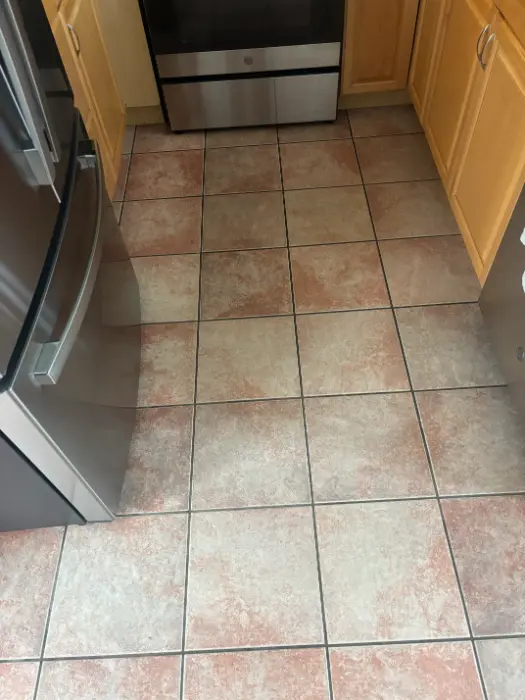
Douglas County Red Clay Iron Oxide in Franktown Floor Tile Grout
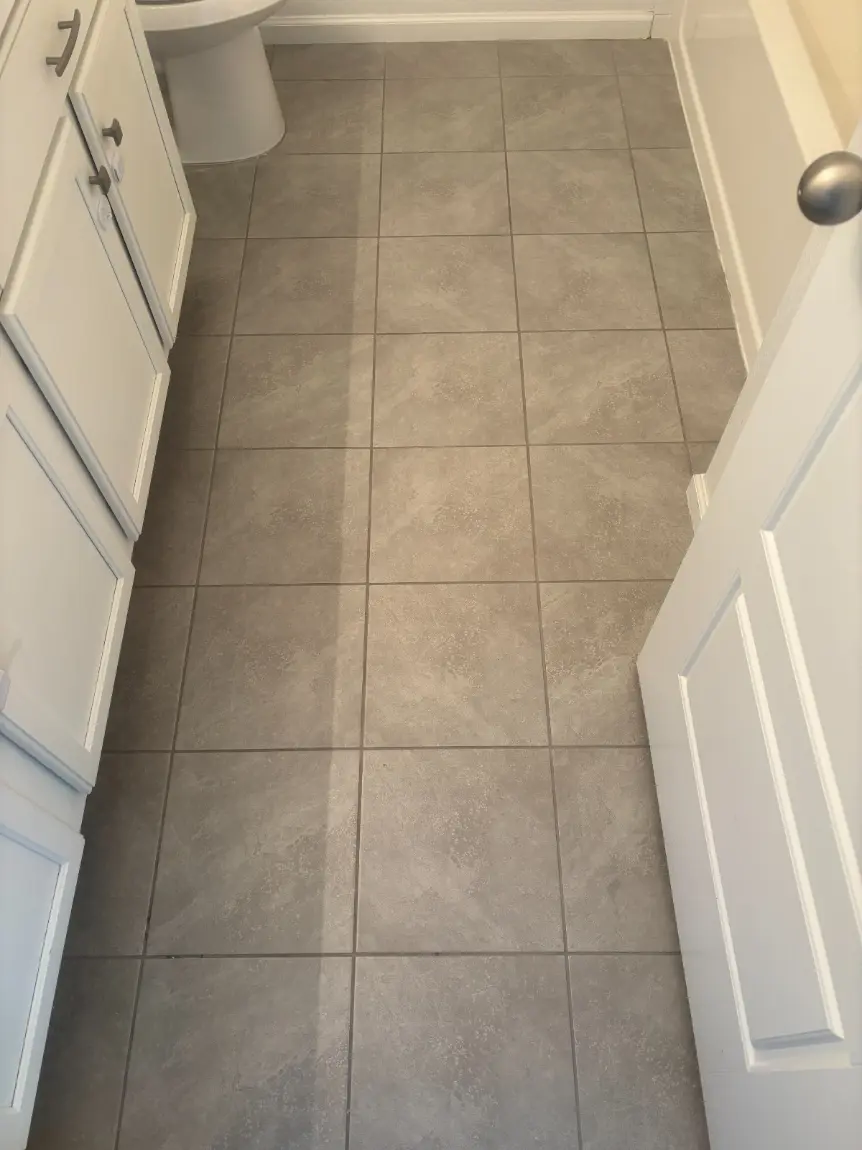
Franktown floor tile and entry tile grout accumulates Douglas County red clay iron oxide tracked in on footwear alongside standard Denver Basin mineral deposits. Red clay iron oxide in porous grout produces reddish-brown discoloration in addition to the standard white mineral haze — creating a compound mineral and iron oxide contamination profile specific to Franktown properties with natural acreage terrain access. Standard two-stage tile cleaning addresses the mineral and organic soil component — but the Douglas County red clay iron oxide requires iron oxide-targeting alkaline pre-spray chemistry before the acid mineral stage to fully address the Franktown floor tile compound contamination profile.
Equestrian Households — Three-Component Entry Tile Contamination
Franktown equestrian and hobby farm households track stable organic debris — hay, manure compound, arena soil — into entry tile grout alongside Douglas County red clay iron oxide and Denver Basin mineral deposits. These three components require three separate chemistry stages. Iron oxide-targeting alkaline stage for the red clay compound. Acid mineral stage for Denver Basin calcium carbonate. Alkaline organic and enzyme stage for stable debris and soap scum. Standard single-stage tile cleaning addresses at most one of the three components — producing the partial results that Franktown equestrian homeowners describe from every previous cleaning attempt.
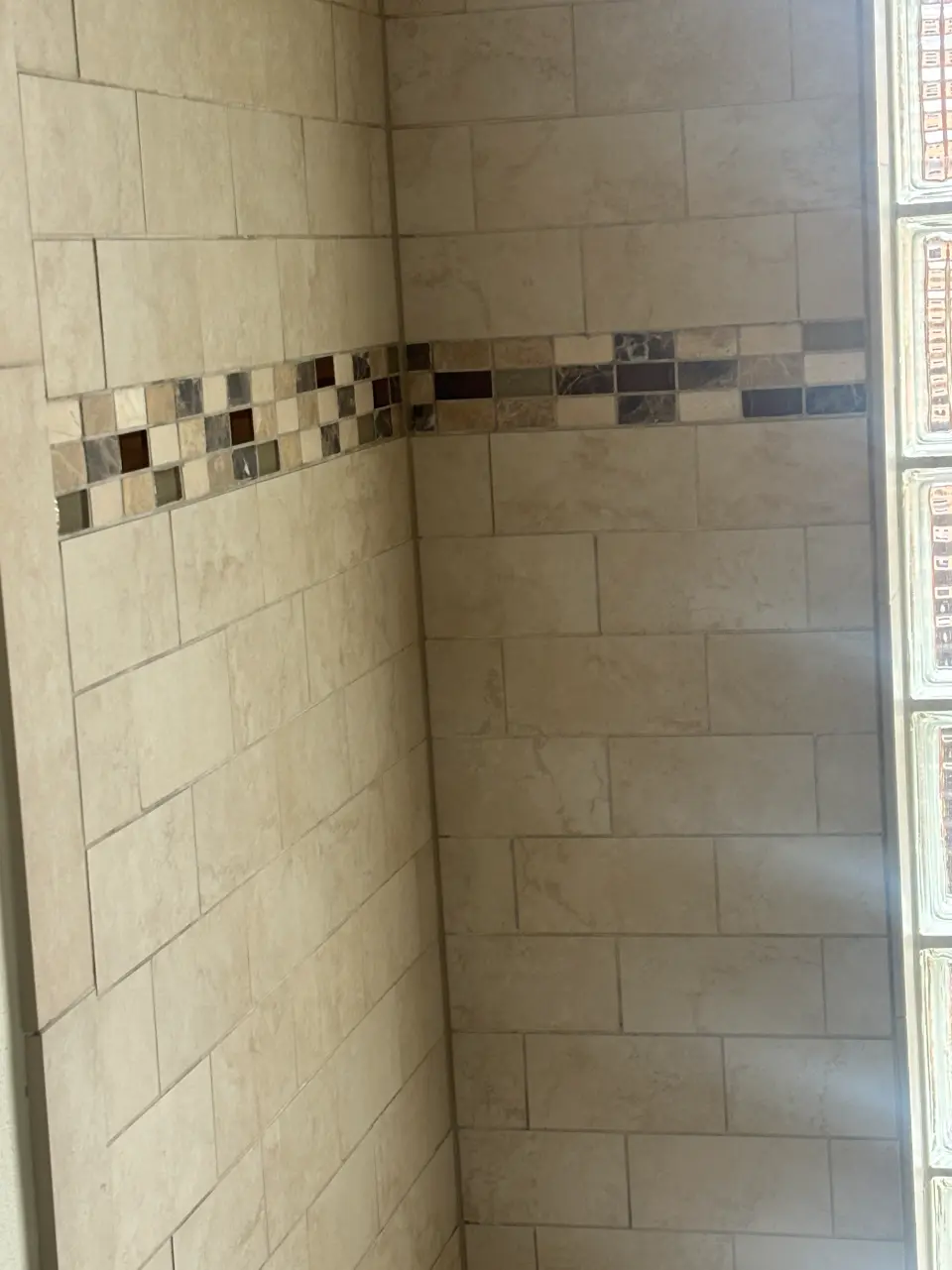
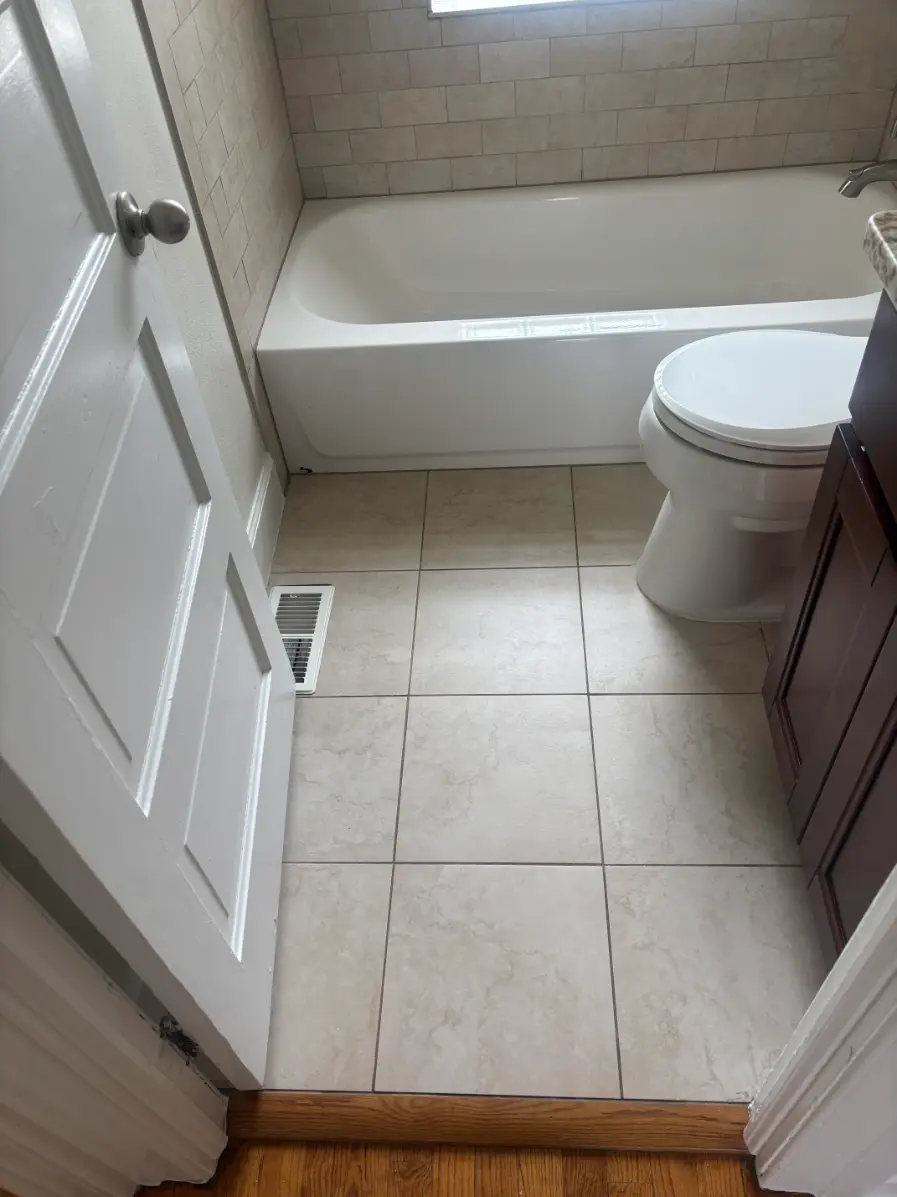
Soap Scum in Franktown Bathrooms — Denver Basin Hard Water Accelerated
Soap scum is a chemical reaction — not residual soap. When soap fatty acids contact calcium and magnesium ions in Franktown's Denver Basin hard water, they form calcium stearate — a waxy insoluble compound bonding to porous grout surfaces. Franktown bathroom shower grout accumulates soap scum at an accelerated rate given Denver Basin hard water mineral ion concentration at Franktown's elevation. Consumer shower cleaners address surface soap scum but cannot penetrate the grout pore depth where calcium stearate has bonded.
Mold in Franktown Shower Grout — Why Bleach Keeps Failing
Mold established inside shower grout porosity is not surface mold. Bleach bleaches the visible color but does not penetrate the pore depth where the colony lives — mold returns visually within weeks because the colony inside the grout was not addressed. Professional cleaning with penetrating pre-treatment chemistry, mechanical agitation at pore depth, and high-pressure extraction at 200 degrees Fahrenheit+ applies thermal kill to the colony where it lives. Penetrating grout sealing after cleaning reduces moisture penetration that allows mold to re-establish between cleaning cycles.
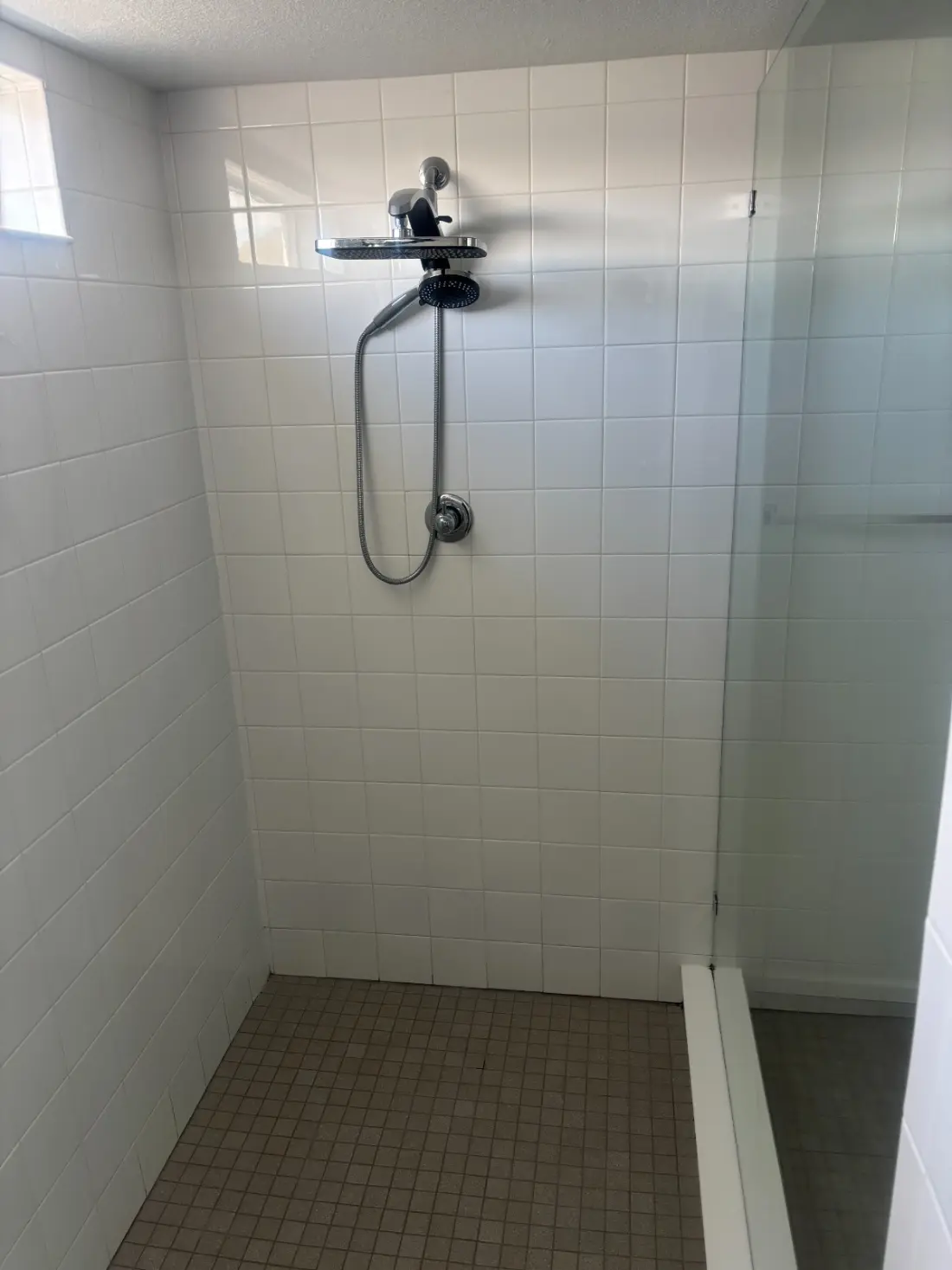
Tile and Grout Types We Clean in Franktown — Chemistry by Surface
Ceramic and Porcelain Tile
Most common tile type in Franktown residential bathrooms and kitchens. Ceramic glazed surface tolerates wide pH range — iron oxide-targeting pre-spray, acid mineral stage, and alkaline organic stage all safe for the Franktown compound pre-treatment protocol on ceramic. Matte porcelain in newer Franktown builds requires modified chemistry. Standard high-pressure extraction at 500 to 1,200 PSI. Franktown ceramic tile that has never been professionally extracted presents compound Denver Basin mineral and Douglas County red clay accumulation producing the most dramatic extraction results of any tile scenario on the Highway 86 corridor
Natural Stone Tile
Present in some Franktown premium acreage homes — travertine, marble, or slate requiring pH-neutral chemistry only without exception. Acid-based cleaners etch calcium carbonate stone permanently on contact — and Denver Basin hard water creates significant mineral accumulation on Franktown natural stone that may tempt aggressive acid treatment. We confirm stone type before any chemistry is applied on every Franktown natural stone service call — pH-neutral mineral and iron oxide-targeting formulations only, no acid stage regardless of Denver Basin mineral deposit concentration.
Grout Types — Sanded, Unsanded, and Epoxy
Sanded grout in Franktown floor tile — rough texture increases Denver Basin mineral and red clay iron oxide adhesion. Responds well to compound pre-treatment and agitation. Unsanded grout in narrow joints and vertical shower tile — controlled pressure. Epoxy grout in some newer Franktown builds — non-porous resin requiring pH-neutral chemistry only. Standard cement grout cleaners including acid descalers damage epoxy resin surface.
Our Tile and Grout Cleaning Process for Franktown Homes
Step 1 — Pre-Inspection and Franktown Compound Contamination Assessment
Tile and stone type confirmed before any chemistry is applied. Natural stone identification non-negotiable before pre-treatment selection in Franktown premium acreage properties. Soiling level classified — Denver Basin mineral haze depth, Douglas County red clay iron oxide load, equestrian stable organic component, soap scum and mold presence. Property type — standard acreage, equestrian, foothills pine-adjacent — confirmed before compound pre-treatment protocol finalized.
Step 2 — Franktown Compound Pre-Treatment Protocol
Standard Franktown acreage tile — two-stage: acid mineral stage for Denver Basin calcium carbonate followed by alkaline organic stage.
Franktown floor tile with Douglas County red clay — three-stage: iron oxide-targeting alkaline pre-spray first, then acid mineral stage for Denver Basin calcium, then alkaline organic stage for general soil and soap scum.
Franktown equestrian household entry tile — three-stage with extended enzyme organic stage for stable debris alongside iron oxide targeting and acid mineral stages.
Natural stone in Franktown premium acreage — pH-neutral iron oxide-targeting and pH-neutral mineral-targeting formulations only. No acid stage under any circumstances.
Step 3 — High-Pressure Extraction at 500 to 1,200 PSI
Truck-mounted extraction at 500 to 1,200 PSI — significantly higher than consumer tile grout machines. Hot water drives compound pre-treated contamination out of grout porosity. Simultaneous extraction removes dissolved contamination. Pressure calibrated by tile type — full pressure for ceramic and porcelain, reduced for natural stone. Multiple extraction passes on Franktown tile with compound Denver Basin mineral and red clay iron oxide accumulation.
Step 4 — Rinse, Post-Inspection, and Penetrating Grout Sealer
Clean hot water rinse removes pre-treatment residue. Acid stage applications — pH-neutral rinse follows. Post-cleaning inspection confirms Denver Basin mineral deposit removal and red clay clearing. Penetrating grout sealer applied after full drying — fills grout pore structure from within, repels Denver Basin mineral-carrying Franktown water on contact. Sealed Franktown grout resists Denver Basin mineral penetration significantly longer than open unsealed grout between professional cleaning cycles.
Tile and Grout Cleaning by Room — Franktown Homes
Bathroom Tile and Shower Grout
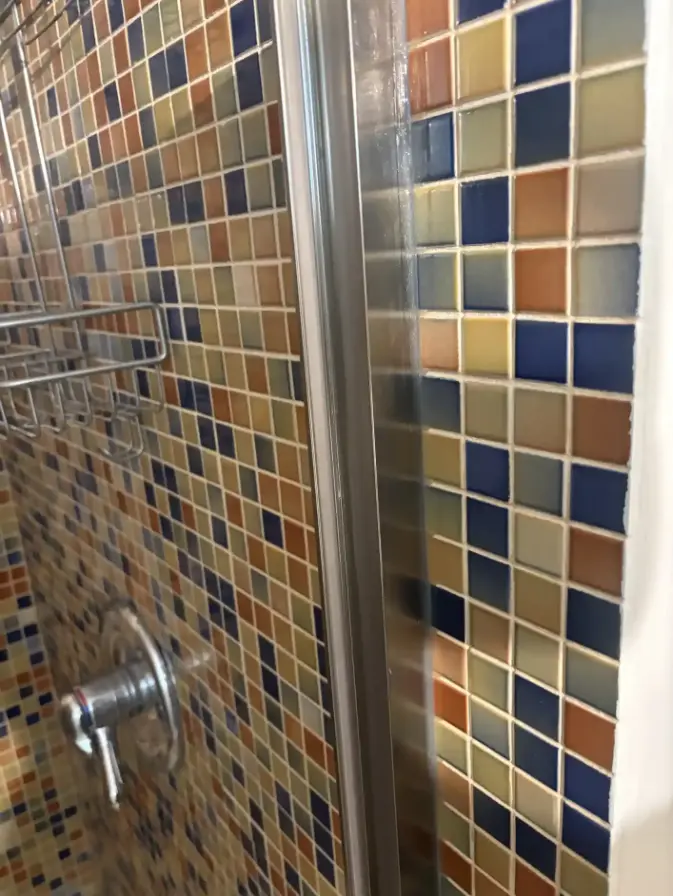
Heaviest Denver Basin mineral load of any room in a Franktown home. Every shower deposits calcium and magnesium from Franktown's hard water on grout as water evaporates — compounding with soap scum calcium stearate into a progressively harder deposit. Two-stage pre-treatment and high-pressure extraction removes what daily Franktown hard water cleaning has been compounding since installation.
Kitchen Tile and Grout
Kitchen floor and backsplash grout in Franktown homes deals with cooking grease, Denver Basin mineral deposits from mopping, Douglas County red clay tracking, and equestrian stable debris simultaneously. Three-stage compound pre-treatment for Franktown equestrian kitchen tile — the most complex kitchen tile pre-treatment on the Highway 86 corridor given the compound equestrian and mineral contamination profile.
Entry and Mudroom Tile
Highest compound contamination load in Franktown homes — Denver Basin mineral deposits, Douglas County red clay iron oxide from terrain, equestrian stable organic, and foothills pine organic in foothills-adjacent properties. Entry tile in Franktown equestrian properties is the most compound tile cleaning scenario on the Highway 86 corridor. Three-stage pre-treatment extended dwell before extraction.
Laundry Room and Utility Tile
Detergent residue creates a sticky film in laundry room grout that binds Denver Basin mineral deposits faster than any other room. Penetrating grout sealing most impactful in Franktown laundry room tile — sealed grout resists Denver Basin mineral penetration significantly longer between professional cleaning cycles.
OUR 4 EASY STEPS
How to Book Tile & Grout Cleaning in Franktown — 4 Steps
01
Call or Submit Online

Call (720) 730-8055 or submit the online form. Property type — standard acreage, equestrian, foothills pine-adjacent — tile type, rooms, and specific concerns — Denver Basin mineral haze, Douglas County red clay in floor grout, equestrian stable tracking, shower mold — confirmed on the call. Franktown compound pre-treatment protocol confirmed for Castle Rock dispatch via Highway 86.
02
Free Upfront Quote

Accurate quote before scheduling. Franktown compound pre-treatment confirmed and included. Natural stone pH-neutral protocol confirmed where applicable. Grout sealing as add-on option. No door-step additions.
03
Scheduled or Same-Day Appointment

Morning, afternoon, and after-hours slots available. Same-day — call before noon for best availability from Castle Rock dispatch via Highway 86. Emergency — call directly.
04
Certified Service & Results

Pre-inspection and tile type confirmed before chemistry selection. Franktown compound protocol applied where required. Penetrating grout sealer applied after drying. Completion walkthrough before leaving.
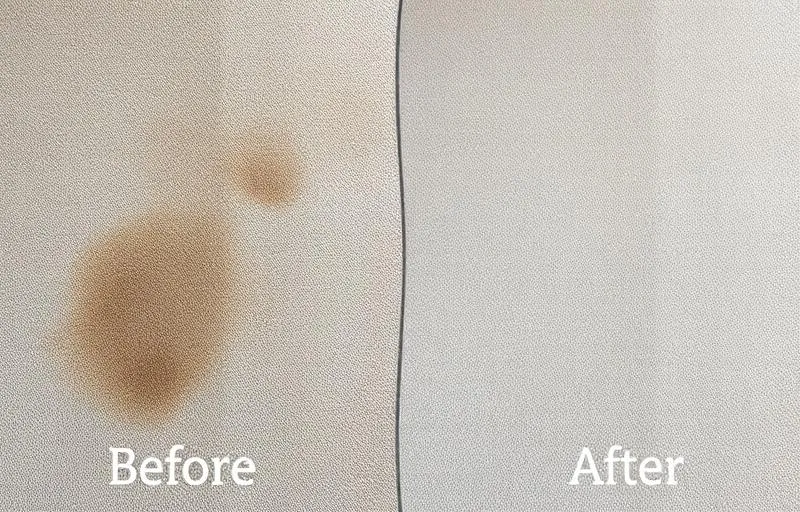
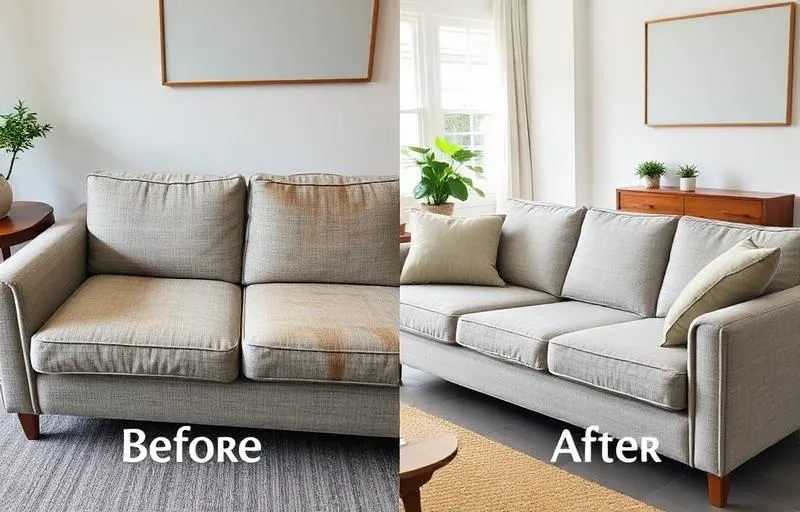
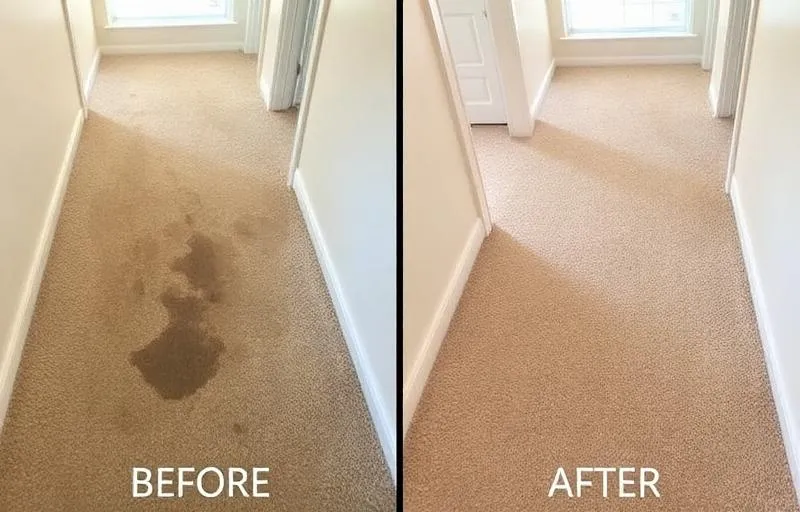
Real Results
See the Difference for Yourself
Related Services and Pages
Franktown City Hub
Emergency Carpet Cleaning in Franktown
Franktown Specialized Sections
Carpet Cleaning in Franktown
Stain & Odor Removal in Franktown
LVT Floor Cleaning in Franktown
Upholstery Cleaning in Franktown
Same-Day Carpet Cleaning in Franktown
Real Cleaning Stories & Carpet Care Tips
Explore real carpet, tile, upholstery, and hardwood cleaning jobs from across Colorado. We share actual stain removal cases, restoration challenges, and professional cleaning insights based on decades of hands-on experience.
No blogs found
FAQ
Frequently Asked Questions — Tile & Grout Cleaning in Franktown, CO
Why does my Franktown tile grout haze so quickly after mopping?
Franktown draws from the Denver Basin aquifer — hard to very hard mineral hardness depositing calcium and magnesium on grout as mop water evaporates. At 6,400 to 6,600 feet elevation — the highest on the Highway 86 corridor — Colorado's semi-arid low humidity accelerates evaporation faster than at Castle Rock or any lower-elevation community. Denver Basin minerals deposit in higher concentration per mop pass in Franktown than anywhere else on this corridor. The white haze returning within days is hard water mineral accumulation from the mop water itself. Professional high-pressure extraction with compound pre-treatment removes the accumulated mineral layer. Penetrating grout sealing slows Denver Basin mineral re-accumulation between professional cleaning cycles.
Our equestrian Franktown entry tile has three different discoloration patterns — what is causing each one?
Franktown equestrian household entry tile accumulates three distinct contamination components — Denver Basin calcium and magnesium mineral scale, Douglas County red clay iron oxide from terrain tracking, and stable organic debris from equestrian footwear. Each requires different chemistry applied in sequence. Iron oxide-targeting alkaline pre-spray for the compound red clay mineral component. Acid mineral stage for Denver Basin calcium carbonate. Alkaline organic stage for stable debris. Standard single-stage cleaning addresses at most one component — leaving the other two unaddressed.
My Franktown shower grout has mold — can professional cleaning remove it permanently?
Yes. Professional cleaning removes mold from within grout porosity in a way bleach cannot. Bleach bleaches the surface color of mold without penetrating the pore depth where the colony lives — mold returns visually within weeks because the colony was not addressed. Our combination of penetrating pre-treatment chemistry, agitation at pore depth, and extraction at 200 degrees Fahrenheit+ applies thermal kill to the colony inside the grout pore. Penetrating grout sealing after cleaning reduces moisture penetration that allows mold to re-establish in Franktown's closed-window heating season from October through April.
How often should Franktown tile and grout be professionally cleaned?
Every 12 to 18 months for bathroom and kitchen tile given Denver Basin hard water accumulation at 6,400 to 6,600-foot elevation — the fastest mineral accumulation rate on the Highway 86 corridor. After professional cleaning and penetrating sealer application, that interval typically extends to 18 to 24 months. Franktown equestrian household floor tile with three-component compound contamination benefits from annual cleaning given the higher compound accumulation rate.
Do you serve all Franktown areas for tile and grout cleaning?
Yes — Franktown residential acreage, equestrian and hobby farm properties, Highway 86 corridor properties, and all Franktown area addresses in unincorporated Douglas County. Dispatching from Castle Rock via Highway 86. Serving all Franktown areas — same-day slots fill fast, call before noon.
Book Your Franktown Tile & Grout Cleaning — Free Quote, Denver Basin Hard Water and Douglas County Red Clay Specialist
Denver Basin hard water mineral deposits accumulating in Franktown tile grout at the fastest rate on the Highway 86 corridor at 6,400 to 6,600 feet. Douglas County red clay iron oxide compounding with mineral deposits in floor tile grout. Equestrian household three-component entry tile — iron oxide, mineral, stable organic — requiring three-stage pre-treatment. Shower mold inside grout porosity that bleach cannot reach. Natural stone in Franktown acreage homes requiring pH-neutral protocol only. High-pressure extraction at 500 to 1,200 PSI. Penetrating grout sealing slowing Denver Basin mineral re-accumulation. Castle Rock dispatch via Highway 86. Serving all Franktown areas — same-day slots fill fast, call before noon.
We'll text you back within minutes. No spam, ever.
IICRC-certified carpet, tile & upholstery cleaning — Castle Rock, CO and the Denver Metro
Services
Location