Berber Carpet Cleaning in Denver's Southern Hills: What a Move-Out Really Looks Like
Berber Carpet Cleaning in Denver's Southern Hills: What a Move-Out Really Looks Like
Berber carpet in a basement where two teenagers spent most of their time — Ritz crackers, sodas, paint, and years of foot traffic embedded in the loop structure — came out cleaner than the landlord thought possible. She left a five-star review before she left the driveway.
Southern Hills, Denver — What We Walked Into
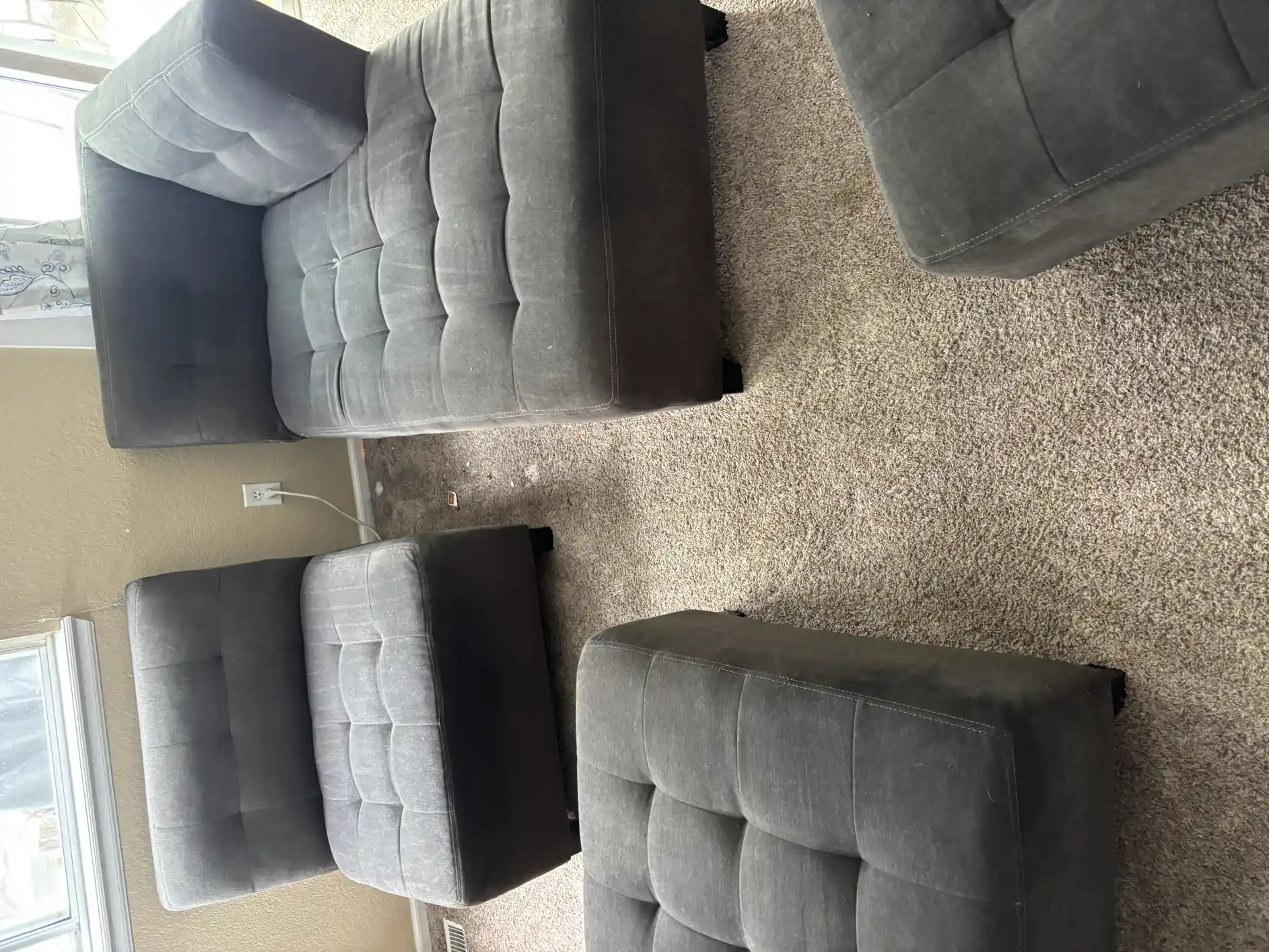
Southern Hills sits in southwest Denver, one of the city's better-kept residential neighborhoods. Most of the homes were built in the 1950s and 1960s, and they've held their value. The landlord was prepping this one for sale — the tenants had moved out and left behind a basement that had clearly been the hangout for two teenage girls and a rotating crew of friends.
Berber carpet. Loop construction. And the kind of embedded soil that builds up over years when a basement gets daily use — not just foot traffic, but snacks, drinks, art projects. We found Ritz cracker debris, soda staining, and what appeared to be paint transfer in multiple spots across the field and up the staircase.
The landlord wasn't sure it was salvageable. She'd been mentally preparing to replace it. Professional Berber carpet cleaning in Denver changes that calculation more often than most homeowners expect.
Why Berber Loop Structure Makes Embedded Soil Harder to Extract
Berber carpet cleaning presents a specific challenge rooted in how the carpet is built. Berber carpet is woven in a continuous loop. That loop structure is what gives it its durability and textured look — but it also means soil works its way down between the loops and compacts against the backing. A standard pass with a vacuum or a consumer rental machine doesn't reach it. The loops close back over the debris.
Hot water extraction through a truck-mounted system — our Prochem Apex GTX runs at 200-230 degrees Fahrenheit — creates the combination of heat, pressure, and suction that breaks the bond between embedded particles and the fiber. The high-temperature water penetrates the loop structure, loosens compacted soil, and the extraction pulls it out from the base rather than just the surface.
On traffic lanes specifically, we apply an alkaline pre-spray first. This targets the mineral and soil bond that builds up along walking paths. It dwells, then we extract. On the stain areas — soda, food, paint — we assess the chemistry individually. Tannin-based stains like soda require a different approach than paint transfer, which often responds to careful solvent application before extraction.
Soil Extraction Depth Comparison
Cleaning MethodEmbedded Soil RemovalSurface vacuuming~10%Consumer rental machine~40–50%Truck-mounted hot water extraction (200–230°F)Up to 95% (per IICRC S100 standard)
The Cleaning Process — Southern Hills Basement and Stairs
We pre-inspected the full basement field and staircase before setting up. The traffic pattern was clear — the main path from the staircase to the entertainment area was the heaviest zone. Spot locations were mapped.
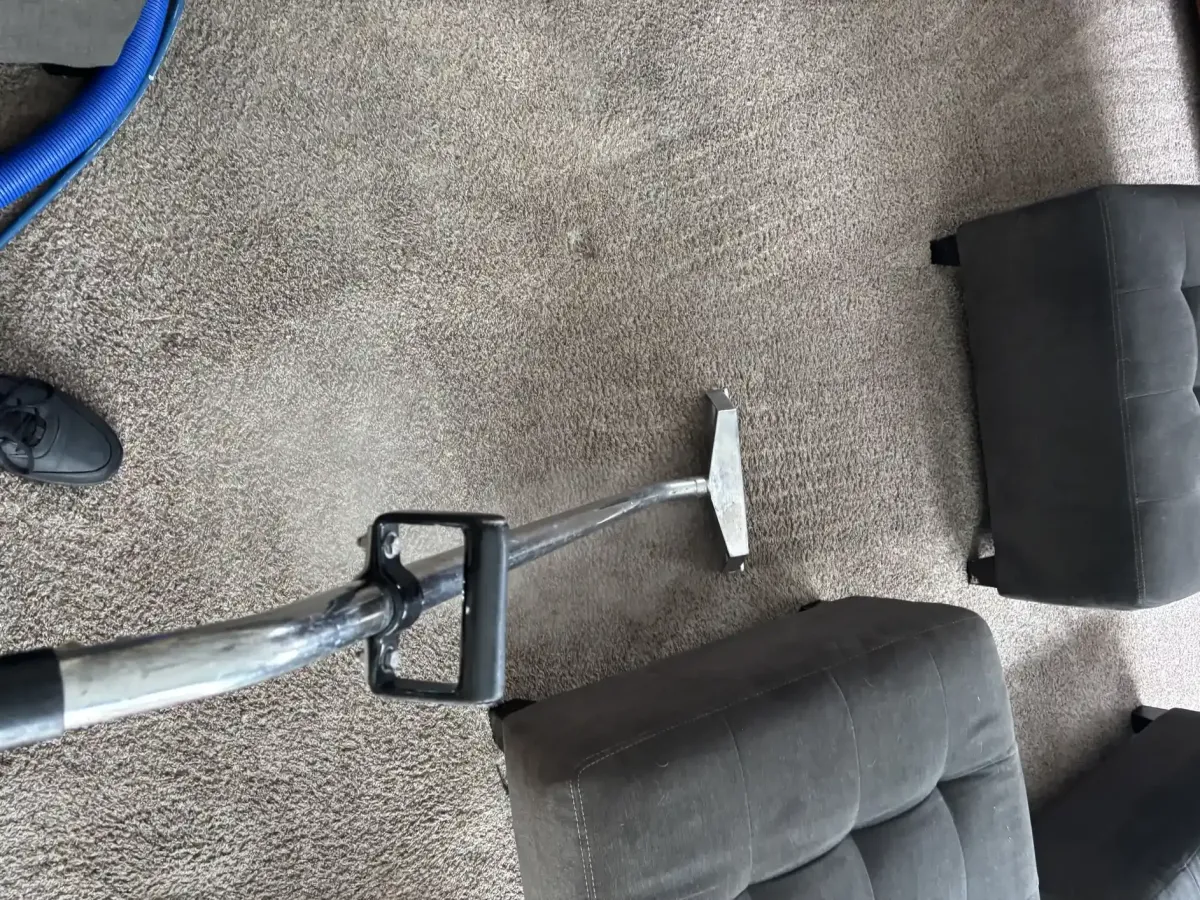
Pre-spray applied to traffic lanes and spot areas. Dwell time observed. Truckmount lines run — Prochem Apex GTX set up outside, lines in through the entry. We worked the field first in overlapping passes, then addressed each spot individually.
The paint spots required the most attention. Paint transfer in carpet fiber can set hard, especially if it's been there for months. We worked carefully with a combination of solvent pre-treatment and low-agitation extraction to lift it without distorting the Berber loop.
[Insert during/after photo here]
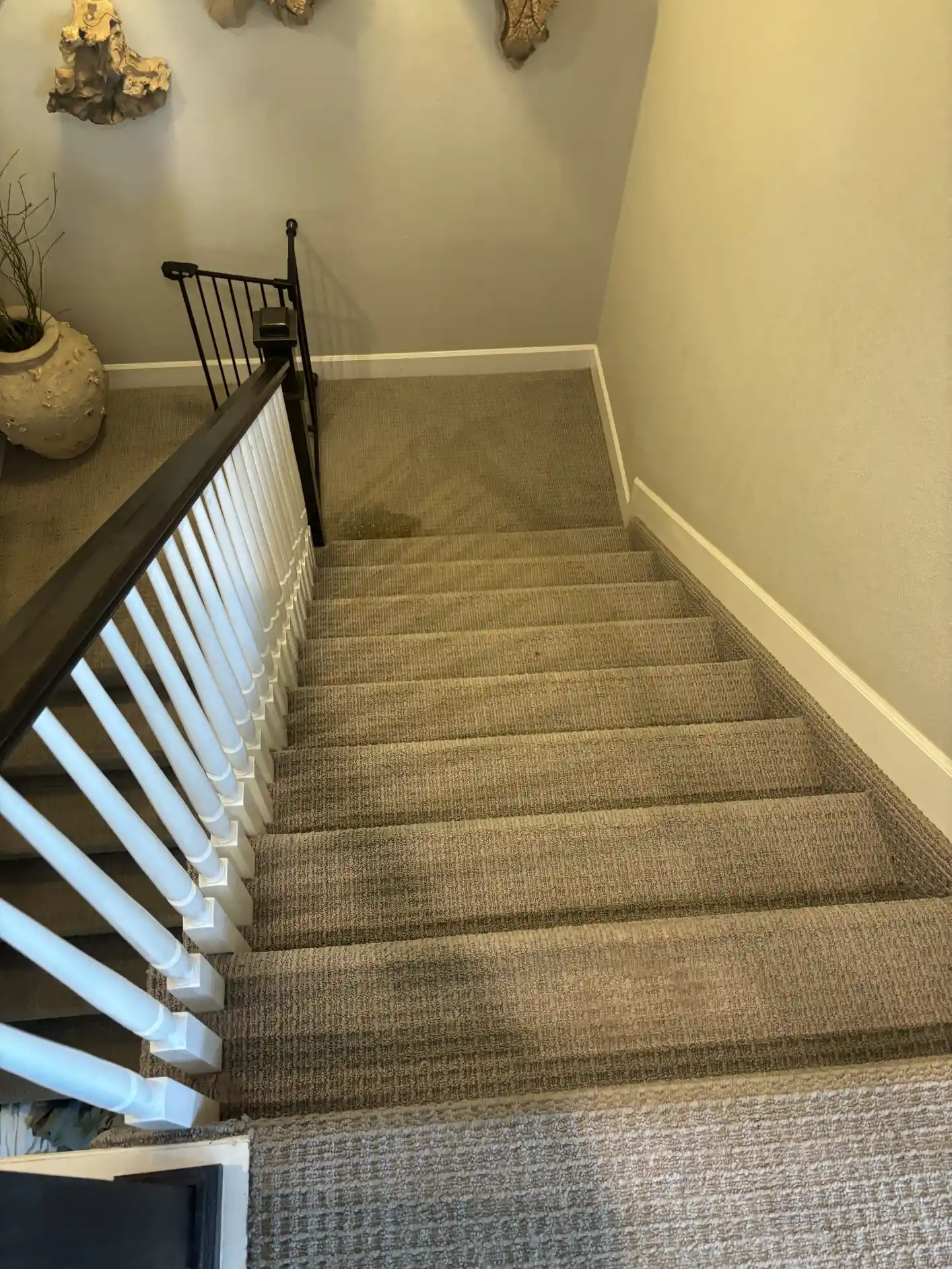
The stairs came out sharp. Stair treads accumulate more concentrated soil than open field areas because every step compresses the fiber in the same spot. The truckmount's extraction power at full heat handles that well. This is exactly the kind of result that makes move-out carpet cleaning in Denver worth scheduling before a property hits the market.
FAQ — Berber Carpet Cleaning in Denver
Can Berber carpet with heavy traffic lanes actually be restored, or does it need to be replaced?
In most cases, yes — restoration is possible. The loop structure of Berber holds soil differently than cut pile, but hot water extraction at truckmount temperatures (200-230°F) reaches the base of the loop and removes compacted embedded soil that surface cleaning misses. Replacement is generally only warranted when the fiber itself is physically damaged — fraying, broken loops, or backing failure — not when it's dirty. We recommend a professional assessment before quoting replacement.
What kinds of stains does truck-mounted extraction handle on Berber?
Food debris, soda and tannin-based drink stains, paint transfer, and general embedded soil all respond well to the combination of pre-treatment chemistry and high-temperature extraction. Each stain type gets assessed individually — tannin chemistry differs from paint removal chemistry. The key is correct pre-treatment before extraction, not just heat alone.
How long does Berber carpet take to dry after hot water extraction in Denver?
Denver's elevation — 5,280 feet — and low relative humidity give it a natural drying advantage over lower-altitude cities. A well-extracted basement Berber in Denver typically dries within 4 to 6 hours under normal ventilation. We recommend opening windows or running a fan. Avoid heavy foot traffic for the first two hours.
If the same property has hard-surface flooring, tile and grout cleaning in Denver can be handled in the same visit — full property prep in one trip.
How We Know Denver
Denver isn't one neighborhood — it's fifty of them, each with its own housing era, soil profile, and cleaning challenge. Southern Hills is 1950s and 1960s construction, well-maintained, higher-value. That era of home often has original or early-replacement carpet in basements, and Berber became a popular choice for its durability in high-use areas.
We've cleaned carpet in LoDo lofts, Washington Park bungalows, Park Hill ranch homes, and Capitol Hill apartments. Denver Basin aquifer water — hard to very hard — affects carpet differently than people expect: mineral deposits from tracked-in water and humidity accumulate in fiber over time and contribute to the gritty, matted texture that homeowners often mistake for wear. It's often soil and mineral accumulation, not fiber degradation.
Southern Hills reminded us why pre-sale cleaning matters. The landlord walked away with a property that looked ready to show — and left a review on the spot. Whether you're listing a home or just resetting a room, carpet cleaning in Denver starts with reading the job correctly.
Call Colorado Choice Carpet Cleaning: (720) 730-8055.
