Why Douglas County Red Clay Keeps Coming Back After Vacuuming
Why Douglas County Red Clay Keeps Coming Back After Vacuuming
The Spot Report — Field Journal, Colorado Choice Carpet Cleaning
I pulled up to a Highlands Ranch home on a Tuesday morning, two days after one of those late-spring snowstorms that drops six inches, melts in 36 hours, and leaves the backyard looking like a construction site. The homeowners had two older yellow Labs — both of them probably ten or twelve years old, big and slow-moving the way older Labs get, happy to just follow you room to room. The first thing I noticed walking in was not the carpet. It was the wall.
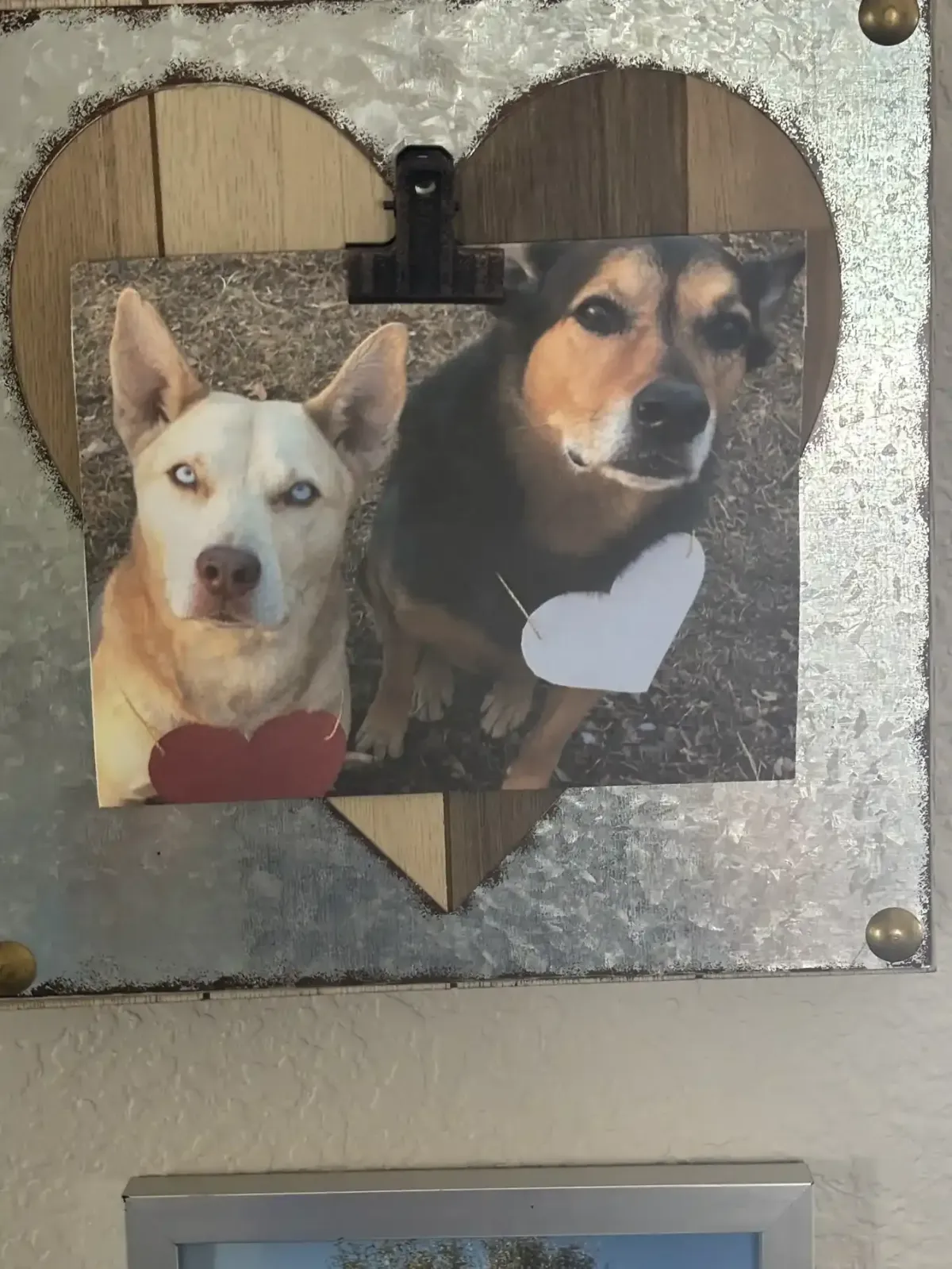
They had framed photos of those dogs everywhere. Action shots, couch shots, backyard shots. You could tell immediately these were not just pets — they were the center of the household. There was one photo in particular of both of them out back by the fence, red mud halfway up their legs, looking completely satisfied with themselves.
The carpet told the same story.
Two Floors, Two Carpet Types, One Relentless Soil Problem
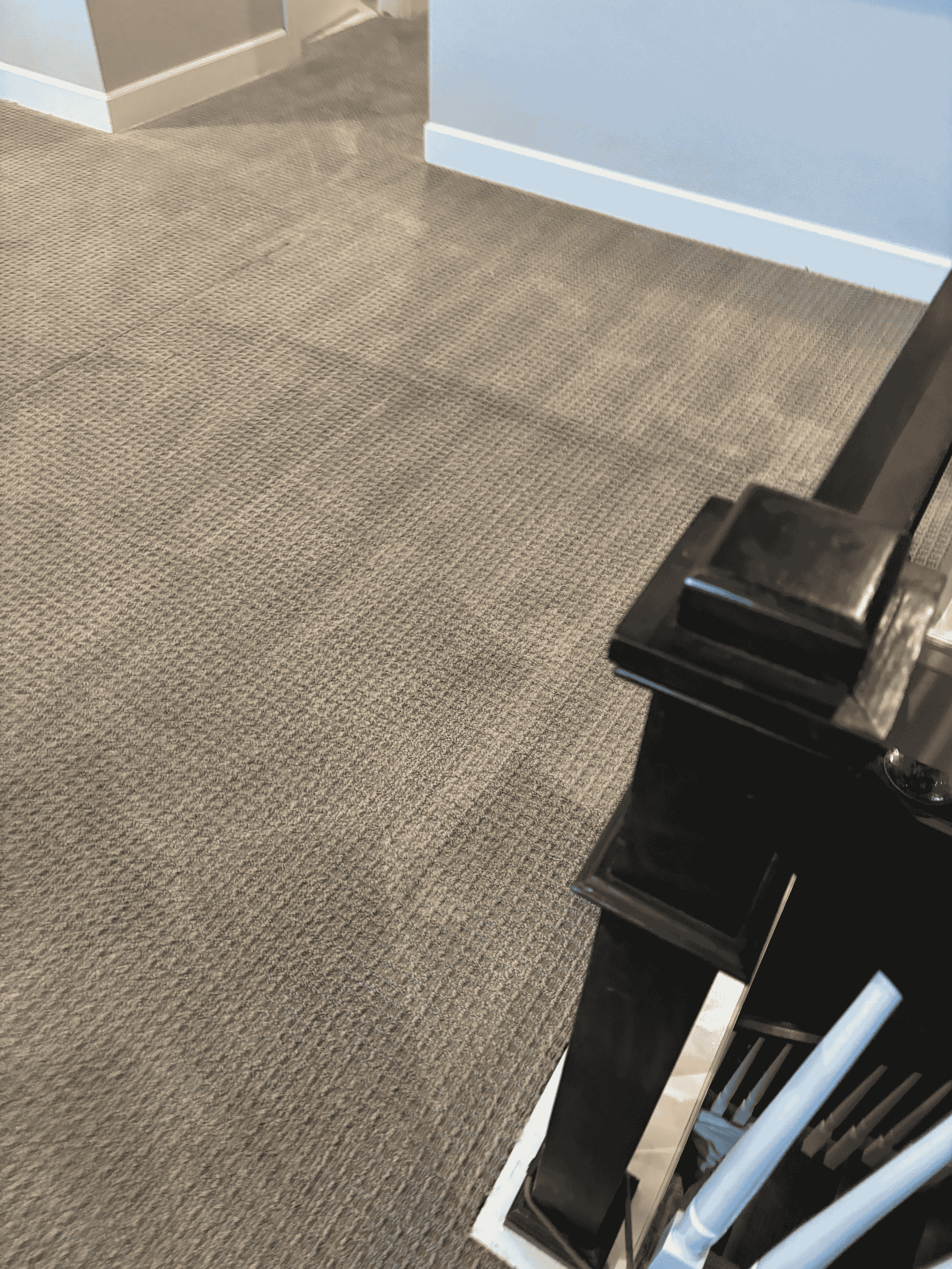
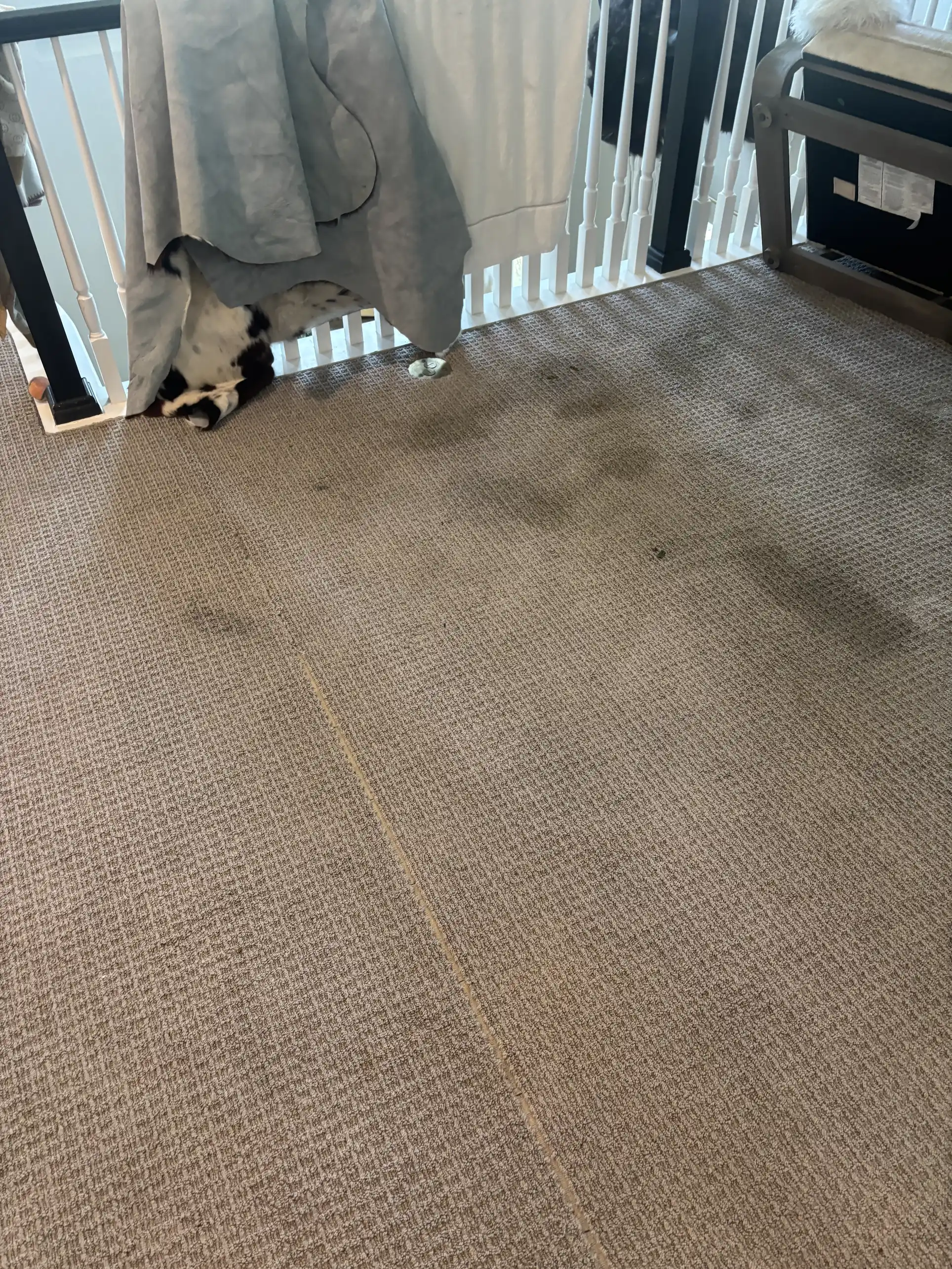
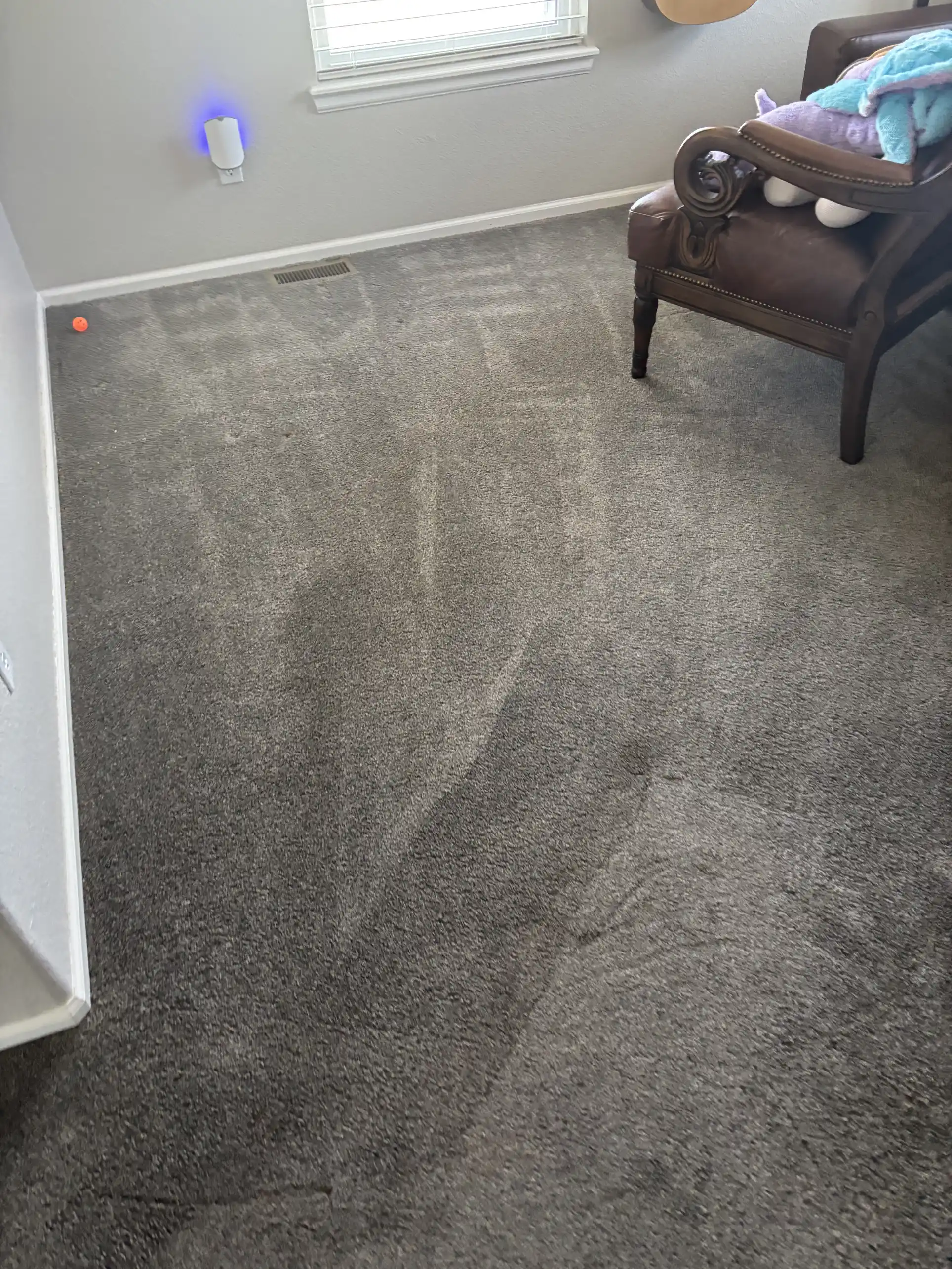
The main floor was polyester, maybe ten years old — still decent pile height but the traffic lanes coming from the back door were dark with embedded red mud. The basement was textured cut Berber, probably 25 years old. That Berber had seen a decade of Labs before these two. Both floors also had pet staining layered in underneath the mud — older urine deposits that had been dormant through winter and were beginning to reactivate with the warmer air.
Here is what I find in nearly every Highlands Ranch home this time of year: the homeowner has vacuumed repeatedly. The carpet still looks dirty. They assume the vacuum is broken or the carpet is just done. Neither is true. The problem is the soil itself.
Why Douglas County Red Clay Bonds to Carpet Fiber Differently Than Ordinary Dirt
Douglas County sits on iron oxide-rich clay soil. That red color is not just pigment — it is oxidized iron, and iron oxide has a strong molecular attraction to synthetic carpet fiber, particularly polyester. When tracked in dry, some of it vacuums out. But when tracked in wet — which is exactly what happens after snowmelt — the clay goes into suspension with water, works down past the face fiber, and contacts the primary backing. As it dries, the iron oxide bonds tighten. Vacuuming after the fact moves fiber around. It does not break that mineral bond.
Textured cut Berber adds another layer of difficulty. The cut pile surface grabs soil at the fiber tips while the textured structure creates irregular pockets where wet clay can settle and compact. Unlike a smoother polyester loop, the varied surface geometry of cut Berber gives iron oxide clay more contact points to bond to as it dries. A 25-year-old textured Berber has had years of compression cycles working soil deeper into that structure.
What breaks the iron oxide bond is alkaline chemistry — an alkaline pre-spray formulated for mineral-based soil, not a general traffic lane pre-treatment. The chemistry has to reach the bond site, dwell, and then be extracted under heat and pressure.
The Protocol That Worked on Both Floors
Pre-Treatment: Alkaline Pre-Spray on All Red Mud Areas
I applied alkaline pre-spray to every tracked area on both floors — main floor polyester and basement textured Berber. Dwell time was approximately fifteen minutes. Alkaline chemistry works by elevating the pH around the iron oxide deposit, weakening the bond between the mineral and the fiber so extraction can pull it free. You cannot rush this step. The dwell time is doing the work.
Pet Pre-Treatment: Enzyme Application with 30-Minute Dwell
Before running the truckmount, I applied enzyme pre-treatment to all identified pet staining areas on both floors. The older Labs had covered a lot of real estate — main floor near the back door and multiple spots in the basement. I let the enzyme dwell for 30 minutes.
That 30-minute window is when the conversation happened. We were standing in the kitchen, looking at those photos on the wall, and they started talking about the dogs the way people talk about family members. How the older one had slowed down this past winter. How the younger of the two still thought he was a puppy at 70 pounds. How they had already picked out the new Lab puppy they were bringing home. They were not just killing time — they genuinely wanted to talk about those dogs. I have been doing this work for over 23 years and some of the best conversations I have had on a job happened during dwell time.
Enzyme chemistry works by breaking uric acid crystals at a molecular level. Thirty minutes is not arbitrary — that is the time required for full enzymatic action on dried, compacted deposits. Cutting it short neutralizes surface odor but leaves the crystal structure in the backing intact. This is the core of every stain and odor removal job we run.
Hot Water Extraction: Prochem Apex GTX, Full Passes
I ran the Prochem Apex GTX truckmount on both floors. High-temperature hot water extraction activates the pre-spray chemistry and drives it deeper into the fiber structure during the extraction pass. On the textured Berber I used slow, deliberate strokes with consistent overlap. The textured cut pile requires patience — rushing extraction moves loosened soil laterally rather than pulling it out cleanly.
Both floors came out well. The polyester upstairs cleaned faster — polyester releases soil more readily once the iron oxide bond is broken. The Berber took more passes but the result was clean, dry fiber with restored appearance and no residual pet odor.
Why Late-Spring Snowmelt Is the Worst Carpet Event in Highlands Ranch
The homeowners had done everything right on their end. They had been vacuuming. They had not let things go. The problem is that Douglas County soil type and carpet construction in Highlands Ranch create a combination that vacuuming cannot overcome.
What the Customer Noticed and What Comes Next
They walked through both floors when I finished and were genuinely happy with the result. The textured Berber in the basement — which they assumed was probably at the end of its useful life — looked significantly better than they expected. We talked more about the new puppy coming in. I told them what I tell everyone in this situation: build a cleaning schedule, not a crisis response system. With a young Lab in a Highlands Ranch home this close to open Douglas County terrain, you will be fighting red clay for the next ten years. Stay ahead of it twice a year and the carpet will hold up fine.
There is something about a house full of dog photos that tells you the carpet matters to these people — not because it is expensive, but because it is part of the home those dogs live in. That is the job worth doing right.
I will probably be back in the fall — when heating season kicks in and anything left in the backing from this spring starts to wake up. And I expect I will get to meet the new puppy.
How We Know Highlands Ranch
Colorado Choice Carpet Cleaning has been servicing Highlands Ranch carpet cleaning jobs from our Castle Rock location for over 23 years. We know the communities here — BackCountry, Eastridge, Northridge, Westridge, Firelight, Tallgrass — and the construction patterns across them. A significant portion of Highlands Ranch's housing stock was built in the 1990s and early 2000s, which means textured and loop Berber basements, polyester main floors, and direct access to the Douglas County terrain that produces red clay soil problems every spring and fall. We also know the water source — South Platte watershed feeding into the Denver Basin aquifer — which means hard water mineral content that competes with enzyme chemistry and requires calibration on every pet urine job.
Highlands Ranch is not a generic Denver suburb to us. It is a place we know house by house, season by season. For full details on our carpet cleaning in Highlands Ranch, see our service page.
Frequently Asked Questions
How Often Should Highlands Ranch Homes With Dogs Be Professionally Cleaned?
Homes with one or more dogs in Highlands Ranch should be professionally cleaned at minimum twice per year — once in spring after snowmelt season (April through May) and once in fall before heating season begins (September through October). The spring cleaning addresses red clay mud tracked in during snowmelt. The fall cleaning addresses road treatment chemical buildup and any uric acid reactivation before the heating season drives odor deeper into the backing.
Can Old Textured Berber Carpet in a Highlands Ranch Basement Be Saved?
In most cases, yes. Even 20-to-25-year-old textured cut Berber can be restored significantly with proper alkaline pre-treatment, adequate dwell time, and careful truckmount extraction. The limiting factor is the structural integrity of the backing and whether the pile has suffered permanent fiber damage. If the backing is intact and the fiber is unbroken, professional extraction will typically improve appearance and hygiene far beyond what the homeowner expects.
Why Does My Carpet Still Smell Like Pets After It Was Cleaned?
If pet odor returns after cleaning, it almost always means the enzyme pre-treatment did not receive adequate dwell time or did not reach the uric acid deposits in the backing and padding. Surface chemistry removes odor from the face fiber. The crystal structure in the backing requires at least 25 to 30 minutes of enzyme dwell time at professional concentration to break down. If your previous cleaner arrived, sprayed, and extracted within a few minutes, the backing was not treated — only the surface.
Call Colorado Choice Carpet Cleaning: (720) 730-8055
