Dog Stress Urination on Carpet — What Denver Homeowners Need to Know About Stain Removal
Dog Stress Urination on Carpet — What Denver Homeowners Need to Know About Stain Removal
Dog stress urination is not a housetraining failure — it is a physiological response to anxiety, and treating the carpet stain it leaves behind requires enzyme pre-treatment, adequate dwell time, and truckmount hot water extraction to fully resolve.
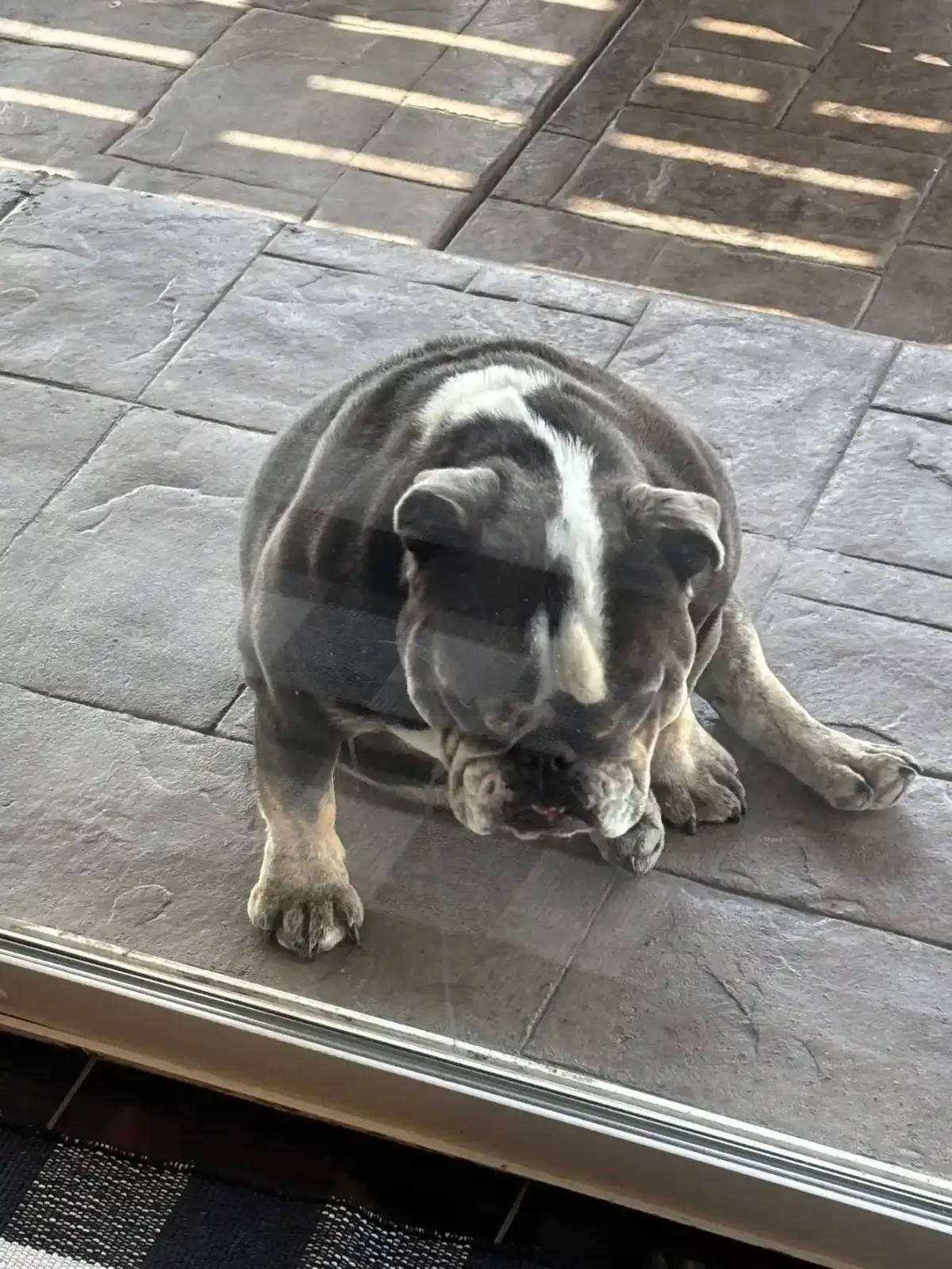
I was called out to a home in Green Valley Ranch last week for a pet urine job with an unusual twist. The dog — a small one with a lot of energy — had been perfectly housetrained for years. No accidents. No history of marking. Then a second dog came into the home, and within a short time, spots started appearing in the carpet.
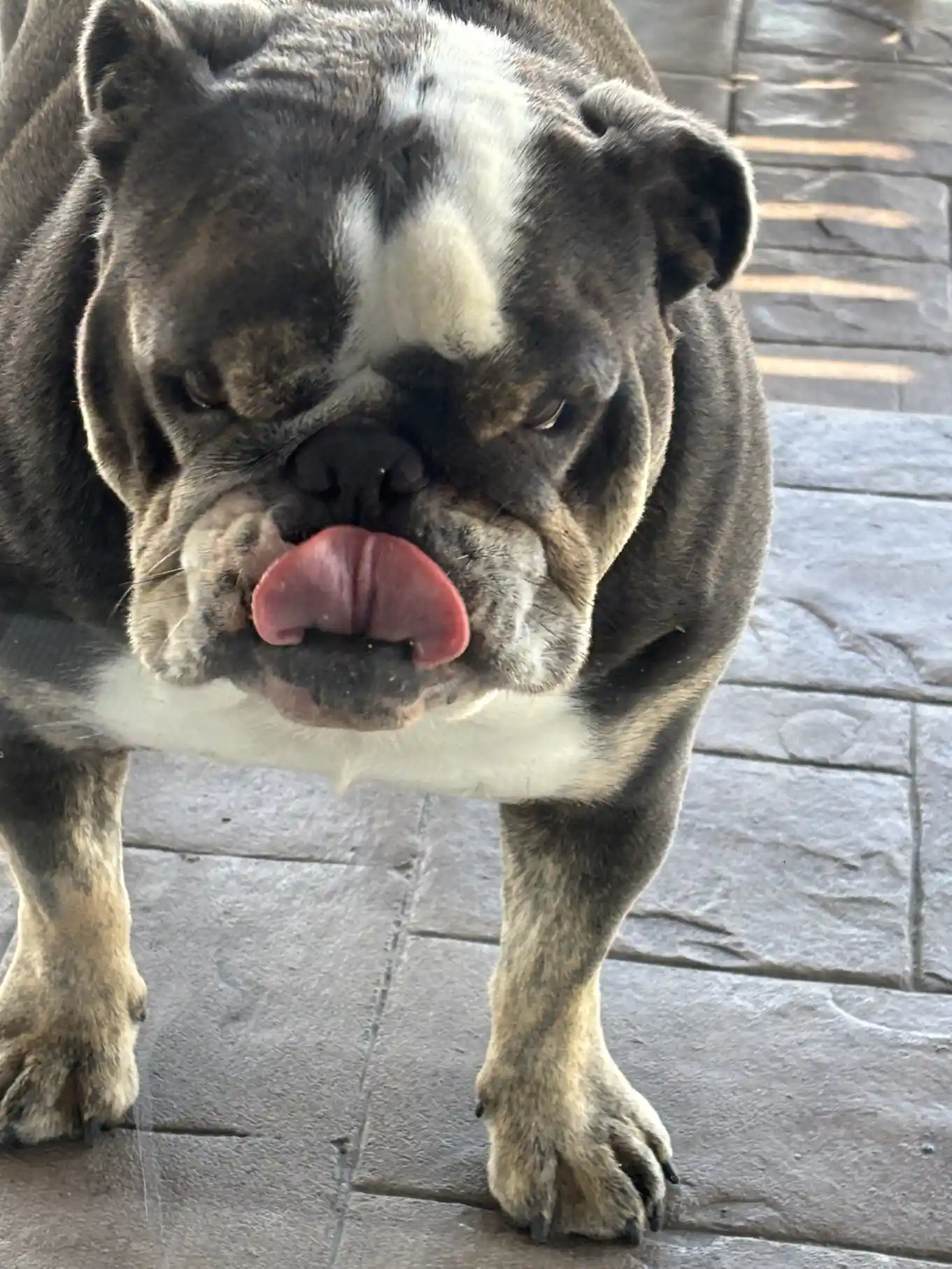
The owner was frustrated and confused. Her dog had never done anything like this. She thought something was wrong with him. Nothing was wrong with him — what she was seeing is stress urination, and understanding what causes it matters for how you clean it.
What Stress Urination Actually Is — and Why a New Dog Triggers It
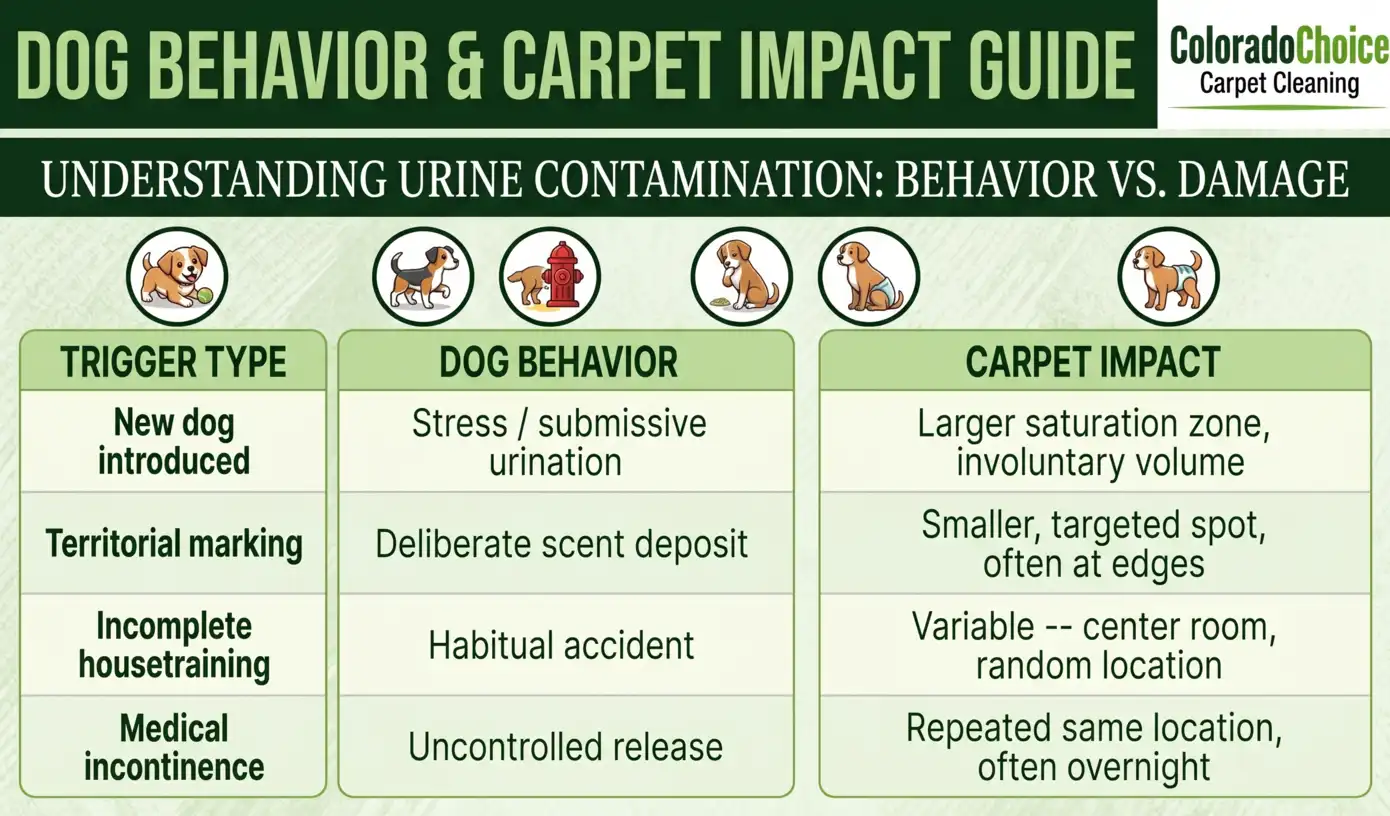
Veterinary behaviorists distinguish between two types of involuntary urination in dogs. Submissive urination occurs when a dog feels socially subordinate or threatened. Stress urination is the broader category — any anxiety-driven loss of bladder control triggered by an environmental stressor. When a second dog enters the home, the resident dog experiences immediate social disruption. Its established sense of safety in the space is challenged, and the sympathetic nervous system — the same fight-or-flight mechanism that can cause involuntary urination in humans under extreme stress — activates.
The dog is not misbehaving. It is responding to a perceived threat with a physiological reaction it cannot fully control.
For Denver homeowners, this distinction matters practically. A dog that has had stress urination episodes is not a dog with a housetraining problem. The urine itself is biologically identical to any other pet stain and odor removal case: uric acid crystals, proteins, and bacteria deposited in the carpet fiber and backing. The IICRC S100 standard classifies it as a biological contaminant regardless of behavioral cause, and the extraction protocol is the same.
What Stress Urination Does to Carpet Fiber — and Why It Is Easy to Undertreat
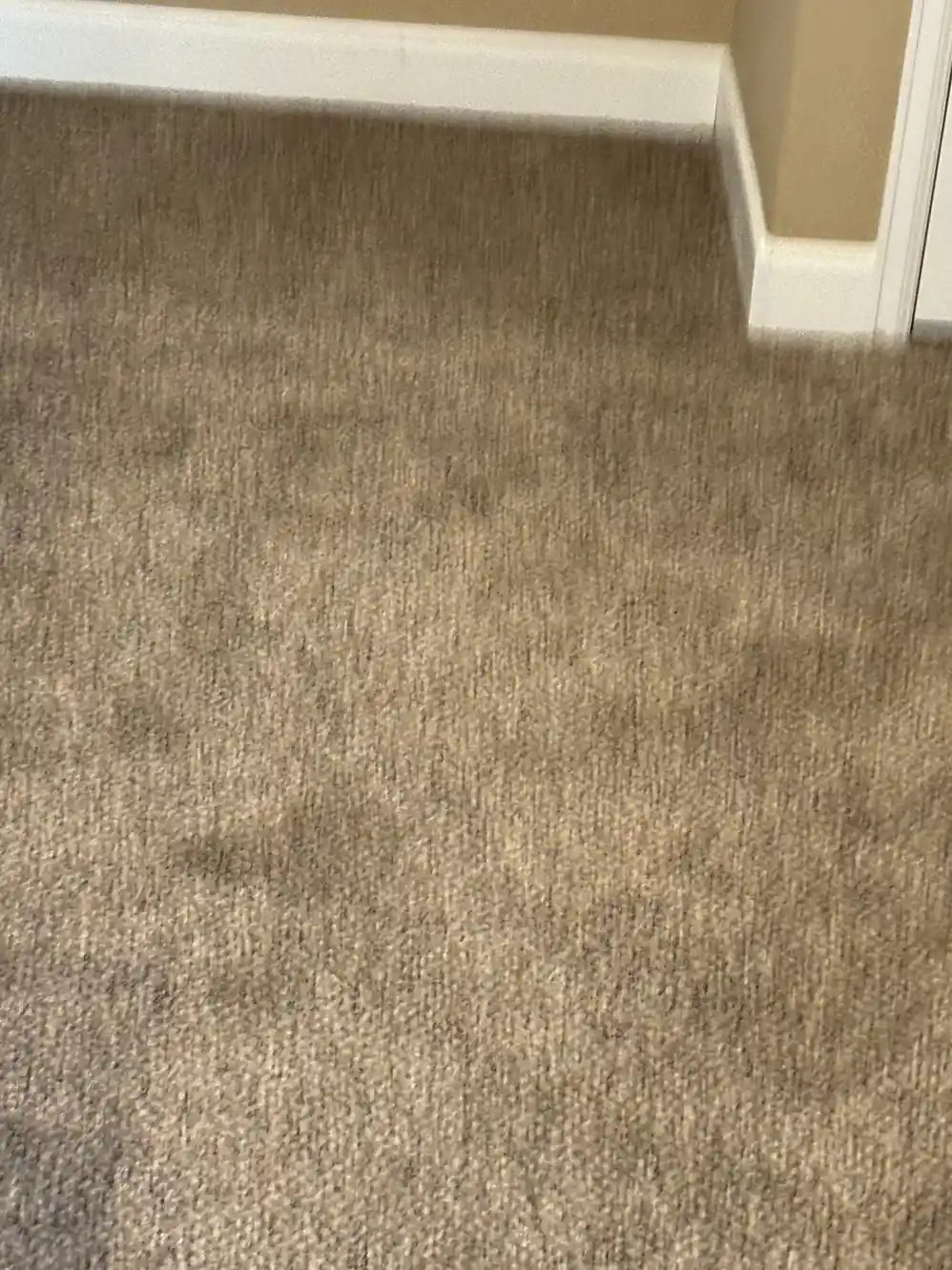
The challenge with stress urination specifically is volume and distribution. A dog in a high-anxiety state often releases more urine than in a deliberate marking event, and because the episode is involuntary, the dog is not positioning itself deliberately. The result is typically a larger, less defined saturation zone — more urine across more fiber, with deeper penetration into the backing and padding.
Uric acid crystals are not water-soluble under normal cleaning conditions. They bond to carpet fiber at the molecular level and require enzyme chemistry to break that bond before extraction can remove them. A standard cleaning pass will not resolve a pet urine stain. The enzyme pre-treatment must reach the full depth of the saturation zone and dwell long enough to break down the uric acid before the truckmount pulls it out.
Denver Basin hard water complicates this further. The aquifer serving the Denver metro is classified as hard to very hard, with elevated calcium and magnesium ion concentrations. Mineral ions interfere with enzyme chemistry by competing at the molecular level — which is why professional-concentration formulations are required in Denver conditions. Consumer enzyme sprays calibrated for soft-water markets routinely underperform here.
Key steps in a complete pet urine treatment:
1. UV light inspection — map the full contamination zone before touching anything
2. Professional-concentration enzyme pre-treatment — applied across the full zone, not just the visible stain
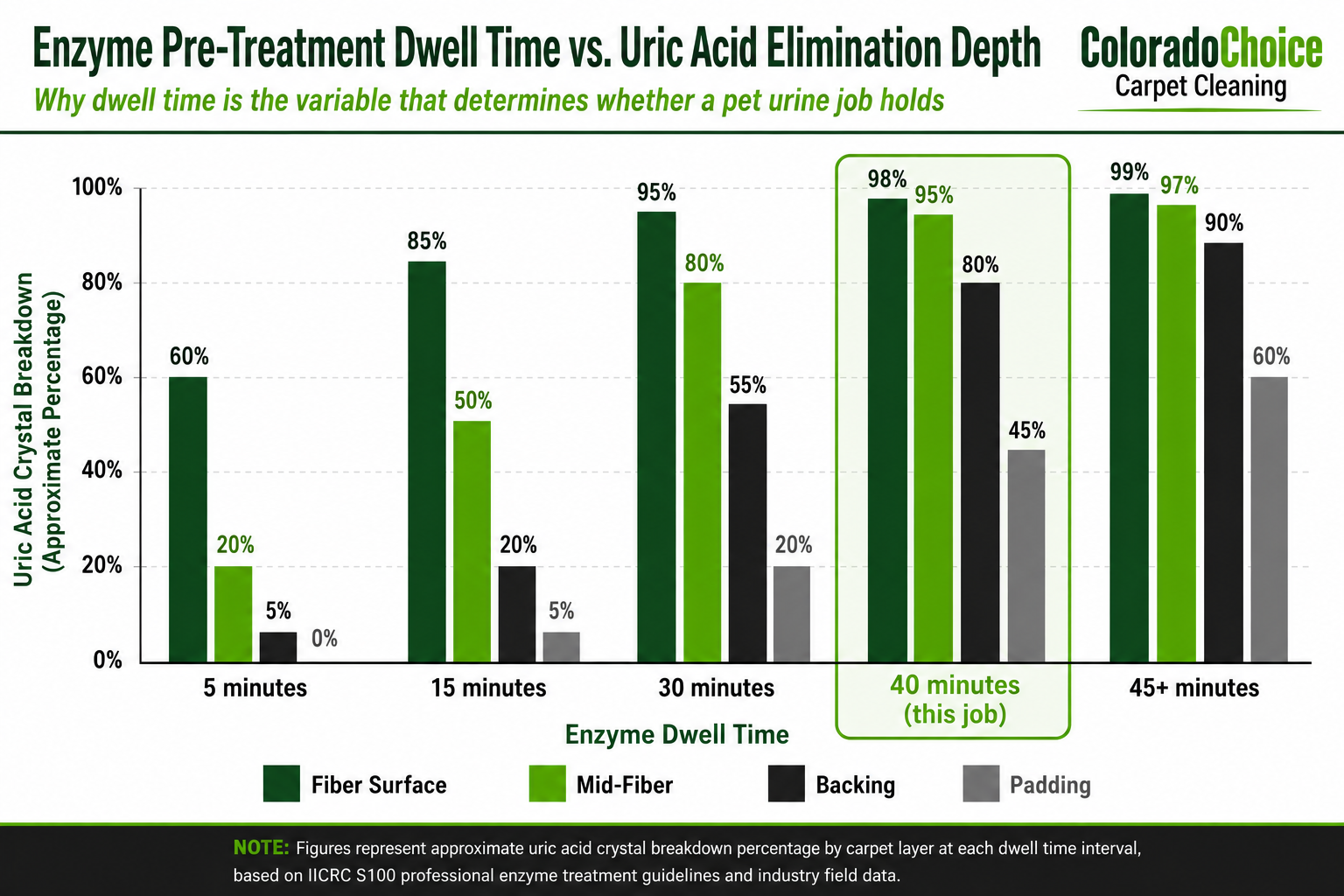
3. Adequate dwell time — 30 to 45 minutes minimum for standard saturation depth
4. Truckmount hot water extraction — 200-plus degrees, high vacuum lift, slow overlapping passes
5. UV confirmation — verify the contamination zone has cleared before leaving
Source: IICRC S100 Standard for Professional Carpet Cleaning, Institute of Inspection Cleaning and Restoration Certification
How We Treated the Green Valley Ranch Job
On this job, I mapped the contamination zone with a UV light before touching anything. Under UV, urine fluoresces and shows the actual saturation boundary — almost always larger than the visible surface stain. I applied professional-concentration enzyme pre-treatment across the full zone, worked it into the fiber, and let it dwell for 40 minutes. That extended dwell time was necessary because the saturation depth required more contact time to break down uric acid crystals through the full column of fiber and backing.
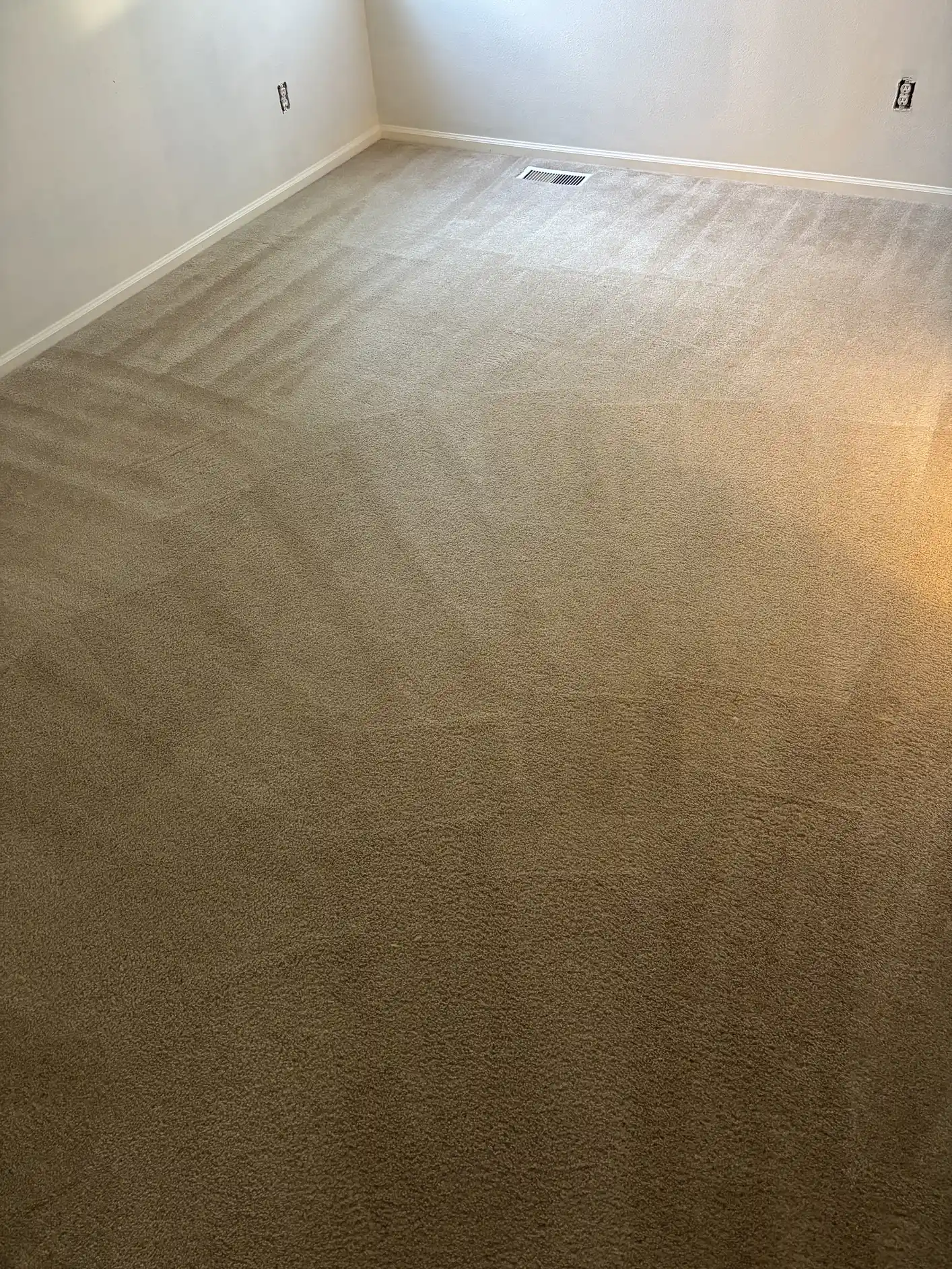
Then I extracted with the Prochem Apex GTX truckmount — slow, overlapping passes at full heat and pressure. The UV light confirmed the contamination zone had cleared before I left. The customer was happy. The dog spent the entire job trying to attack the wand, which made the job more entertaining and the photos better.
What Denver Dog Owners Should Know Before Booking Treatment
If your dog has had stress urination episodes, a few things are worth knowing before you schedule cleaning.
UV mapping before treatment is not optional. A technician who skips this step is treating what they can see, not what is in the carpet. The visible stain is frequently the smallest part of the contamination zone.
Dwell time determines the result. Enzyme chemistry applied and extracted within a few minutes has not had time to break down uric acid crystals through the full depth of the fiber. Ask specifically how long the pre-treatment will dwell before extraction begins.
Denver Basin hard water requires professional-concentration chemistry. Consumer enzyme products are not formulated for hard water conditions. Mineral ion interference is a real factor in treatment outcomes in the Denver metro, and it is one of the primary reasons jobs that seem resolved produce recurring odor.
Padding replacement is sometimes the honest answer. When a dog has been stress-urinating repeatedly over weeks or months in the same area, the padding beneath the carpet absorbs more contamination than extraction can fully reach. If a UV inspection shows deep, repeated saturation in a concentrated zone and odor persists after a correctly executed enzyme and extraction treatment, the padding in that area needs to come out. It is not a failure of the cleaning process — it is the contamination depth exceeding what any surface treatment can resolve. On the Green Valley Ranch job, the contamination had not reached that threshold, and extraction resolved it completely. But it is the right question to ask before booking any job with a history of repeated episodes.
If the triggering situation is resolved — in this case, the second dog was a visitor and did not stay — recurrence is unlikely. If the stressor is ongoing, that is a conversation for the owner and their veterinarian, but it is worth naming honestly.
Green Valley Ranch sits on the east side of Denver. We run jobs here regularly. The housing stock is mostly 1990s through 2000s — standard builder-grade carpet on traditional padding — which responds well to hot water extraction when the chemistry is applied correctly and allowed to work.
Frequently Asked Questions — Dog Stress Urination and Carpet Cleaning in Denver
Is stress urination in dogs the same as a housetraining problem?
No. Stress urination is a physiological response to anxiety or social disruption — in many cases involuntary and outside the dog's full control. It is most commonly triggered by an unfamiliar animal or person entering the home, a loud or threatening event, or a significant change in routine. A dog housetrained for years can have a stress urination episode with no change in its actual housetraining. The carpet stain requires the same enzyme pre-treatment and hot water extraction as any other pet urine — the behavioral cause does not change the chemistry of the uric acid crystals in the fiber.
Why does pet urine smell come back after carpet cleaning in Denver?
Recurring pet odor after cleaning is caused by one of three things: the contamination zone was not fully mapped and the perimeter was undertreated; the enzyme pre-treatment did not dwell long enough to break down uric acid crystals through the full depth of the fiber and backing; or Denver Basin hard water reduced the effectiveness of the enzyme chemistry. The aquifer serving Denver metro is classified as hard to very hard — mineral ion interference is a documented factor in enzyme treatment outcomes, and professional-concentration formulations with adequate dwell time are both required for a durable result.
Can a rental carpet cleaner remove dog stress urination stains?
Consumer rental machines do not generate the heat or vacuum pressure needed to extract uric acid crystals from carpet backing and padding. The IICRC S100 standard recommends truckmounted hot water extraction for biological contamination because 200-plus-degree water temperature combined with high vacuum lift is necessary to pull contamination from the full depth of the carpet system. Stress urination jobs — which tend to involve larger saturation zones than deliberate marking events — require truckmount extraction for a complete result.
How do I know if my carpet padding needs to be replaced after a pet urine episode?
Padding replacement becomes necessary when contamination has penetrated beyond what surface extraction can reach — typically after repeated episodes in the same zone over an extended period. The indicators are: odor that returns within days of a correctly executed professional cleaning, a UV inspection that shows deep and concentrated saturation across multiple visits, or visible staining on the sub-floor when the carpet is pulled back. A single stress urination episode from a previously housetrained dog rarely reaches padding replacement threshold. Repeated episodes from an ongoing anxiety trigger — a new pet that stays in the home, a prolonged stressor — are more likely to require it. An honest technician will tell you before they start whether the history of the stain makes padding replacement a likely outcome.
How We Know Denver — East Side and Green Valley Ranch
Colorado Choice has served Green Valley Ranch and the surrounding east Denver neighborhoods for years. These are family homes — dogs, kids, real use. We approach every pet stain job the same way: UV light first, enzyme pre-treatment second, truckmount extraction third, UV confirmation last. We do not skip steps to go faster, and we do not leave until we can show the customer a before and after under the UV light.
If your dog has had stress urination episodes on your carpet, give us a call. We will tell you honestly what the result is likely to be before we start. Trusted Denver carpet cleaning for pet stains starts with reading the contamination correctly.
Colorado Choice Carpet Cleaning serves Denver, Green Valley Ranch, Aurora, Centennial, and the surrounding metro area. Call (720) 730-8055 or book online.
