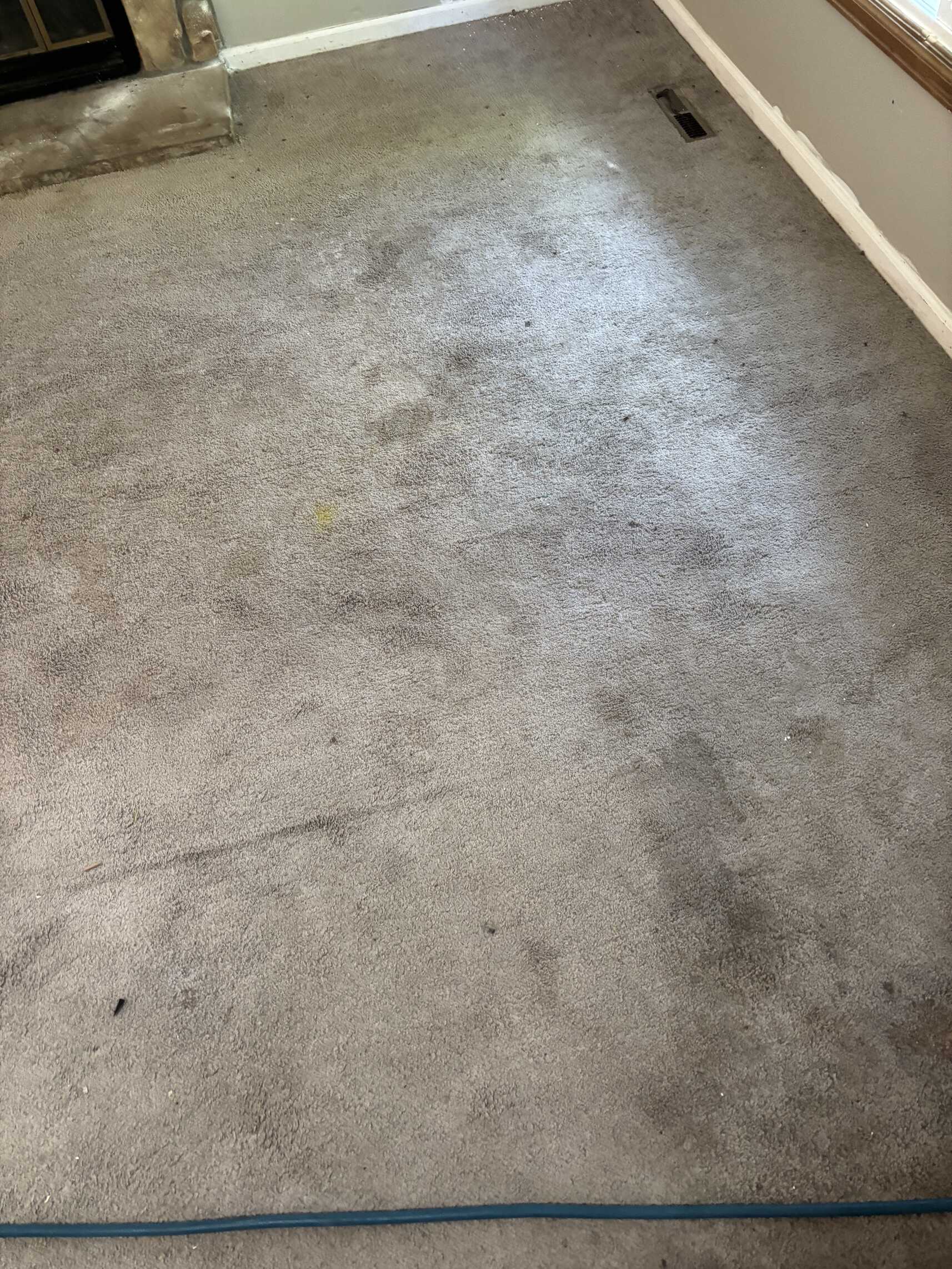
Aurora Red Clay, a Basement Airbnb, and LVT That Nobody Expected to Look This Good Again
Aurora Red Clay, a Basement Airbnb, and LVT That Nobody Expected to Look This Good Again
Aurora's rental density means Airbnb floors take a beating from guest turnover — and this basement unit's luxury vinyl plank had months of Colorado red clay ground into it from the parking lot outside. The client didn't think a professional clean could bring it back. It did.
What Red Clay Actually Does to LVT Over Time
Iron oxide in Front Range red clay films the LVT surface in embossed texture and micro-bevels, dulling the finish gradually — and it abrades. Every guest walking across tracked-in clay grinds the wear layer like sandpaper. Once that layer abrades through, the print pattern beneath is exposed, and the damage is permanent.
Why LVT Requires Different Chemistry Than Carpet or Tile
LVT's urethane wear layer has a narrow pH tolerance — roughly 6.5 to 7.5. Alkaline cleaners above pH 8 degrade the bond; acidic DIY solutions like vinegar etch it. Steam is worse: the heat softens seams and voids warranties on many major LVT brands. Our chemistry stays pH-neutral and wear-layer-safe on every job.
The Airbnb Problem
High guest turnover means fast, surface-level cleaning between stays — never enough to keep up with mineral buildup from a clay-soil parking lot. The client had been mopping between guests for months and watched the sheen disappear, assuming it was gone for good.
The Process
Full LVT field and stairs cleaned with pH-neutral, wear-layer-safe chemistry, targeted pre-treatment on the heaviest red clay zones near the entry, and low-moisture extraction across the surface. The mineral film lifted; the original finish came right back — because it was never actually gone, just buried.
What We Tell Every Aurora Rental Owner About LVT
- pH-neutral chemistry only — no vinegar, no alkaline multi-surface sprays, no steam
- Professional cleaning at least once a year on high-turnover properties near clay-soil exteriors
- Entry matting at every threshold to reduce tracked-in clay load
- Don't let buildup go too long — an abraded wear layer can't be recovered, only replaced
Why We Drive to Aurora From Castle Rock
We're dispatched from Castle Rock, and Aurora's tri-county geography means soil conditions and housing stock vary block to block. That's the value of sending experienced techs to every zip code, not just the closest ones — knowing the red clay pattern and matching chemistry to the actual surface in front of us. Carpet cleaning in Aurora covers this full range, and for another Aurora job built on getting the details right, see our Tallyn's Reach pre-listing case study.
How We Know Aurora
Aurora is one of Colorado's largest cities by area — older housing stock and rental density near the Denver boundary, newer construction and different soil profiles further east. High rental density means repeat business when the job's done right the first time.
Frequently Asked Questions
Can professional cleaning restore dull LVT shine?
Often yes, if the wear layer is intact — mineral film and clay buildup lift with pH-neutral cleaning. If the wear layer itself is abraded through, that damage is permanent.
Why is steam cleaning dangerous for LVT?
Steam heat softens the wear layer adhesive and stresses click-lock seams; many manufacturers void warranties over documented steam use.
How often should a high-turnover LVT rental be professionally cleaned?
At least once a year near clay-soil exteriors — standard mopping doesn't lift the mineral film building up in the texture. See our full carpet cleaning process for the same standard applied across surfaces.
[CHART: Before/after sheen comparison — LVT wear layer reflectance, red clay zones vs. treated field]
