The Rug We Sent Back for a Second Pass — Castle Rock Wool-Silk Area Rug, Elderly Dog
A 14x16 Wool-Silk Rug, an Elderly Dog, and Why We Sent It Back for a Second Pass
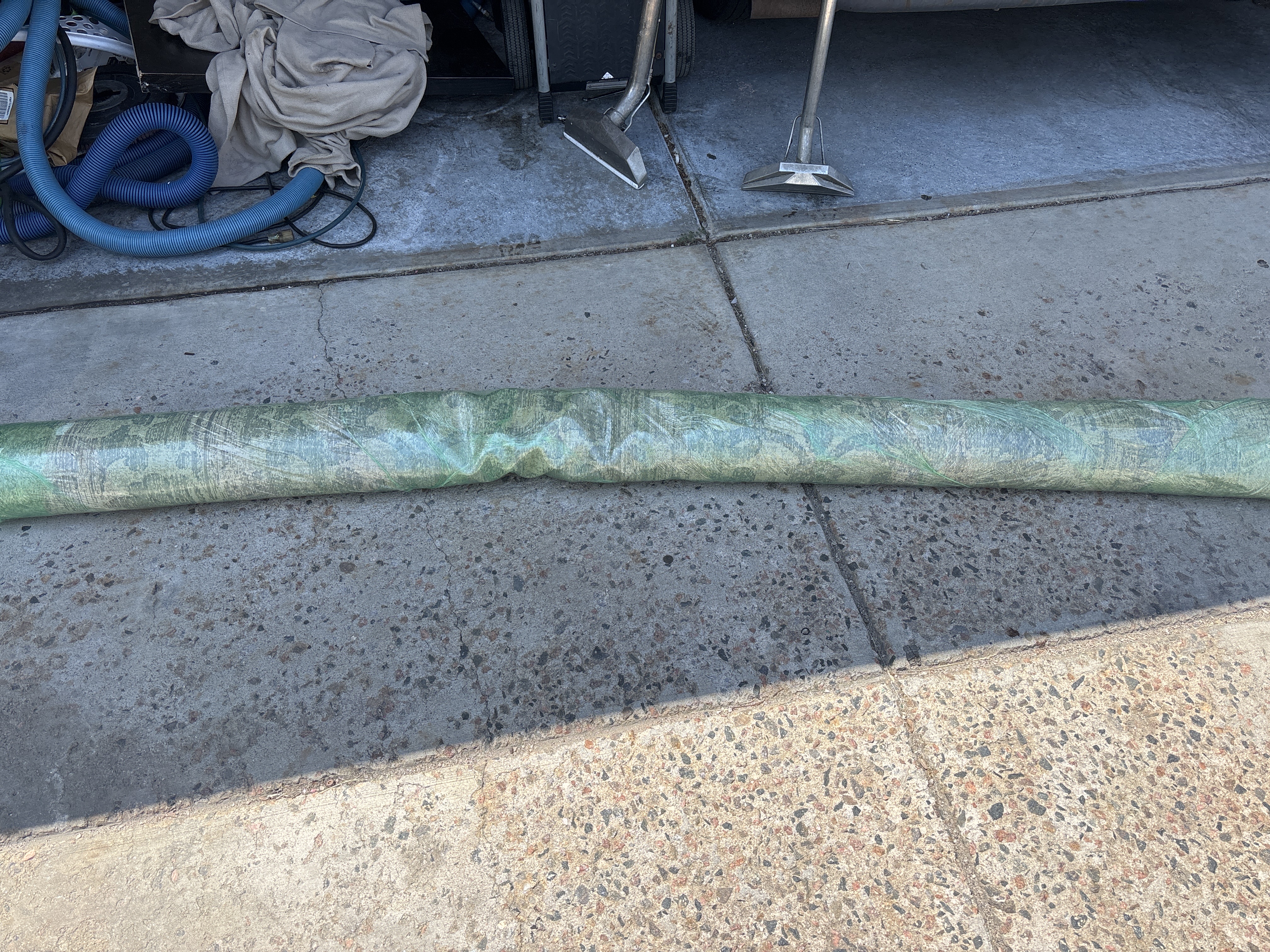
A 14x16 wool-silk blend area rug from Castle Rock's Castle Pines Village came into our facility with heavy uric acid staining from an elderly dog that relocated with its owners from Connecticut. The first cleaning pass looked good — but a visible yellow spot remained in one lower corner. We didn't send it back. We held it, treated it again, and only delivered it once it passed our own inspection. Total job: $350.
The Rug and the Dog
The client's dog moved with them from Connecticut to Colorado — an older dog, and older dogs lose bladder control more often than younger ones, especially in a new home with unfamiliar floors and a different routine. The result was a beautiful 14x16 wool-silk blend area rug in Castle Pines Village, one of Castle Rock's older gated communities dealing with uric acid contamination, with what we classify as "high yellow" staining — heavy, set-in contamination that takes longer to fully break down than a fresh accident.
Why Wool-Silk Blends Change the Process
Wool and silk fibers cannot take the alkaline chemistry or aggressive agitation that synthetic rugs tolerate. pH-neutral chemistry is the only safe option — anything more aggressive risks permanent fiber damage, color bleed, or shrinkage. That restriction is exactly why a rug like this needs facility cleaning with controlled drying rather than an in-home spot treatment: uric acid crystals bonded into wool and silk fiber for an extended period require a slower, gentler chemistry cycle to fully break down, not a fast alkaline strip.
What "High Yellow" Staining Actually Means
Heavy uric acid contamination oxidizes over time, which is what produces the yellow discoloration extending beyond the original stain boundary. The longer contamination sits, the deeper the crystals migrate into the fiber base — which is why some rugs, like this one, take more than one treatment cycle to fully clear.
The Process
Pickup from the client's home in Castle Pines Village
Fiber and contamination assessment at our Castle Rock facility — wool-silk blend confirmed, pH-neutral protocol required
First treatment pass with Saiger's Sauce Pet Stain & Odor Destroyer, targeted to the uric acid contamination zones
Outdoor rack drying — Colorado's low humidity and summer heat produce faster, more thorough drying than indoor drying racks, and the open-air exposure leaves rugs smelling clean rather than damp
Quality inspection — every rug is checked before it leaves our facility, not just visually approved on completion of the wash cycle
Second treatment pass on the remaining lower-corner spot — because the first result, while good, was not good enough for us to put our name on it
Final inspection and delivery back to the client's porch
For contamination this deep, we also draw on lessons from other pet-odor jobs — like our Castle Rock Redhawk pet urine sub-floor injection case, where similarly persistent contamination required more than a single treatment cycle to fully resolve.
The Double-Check Standard
After the first pass, the rug looked good — but a visible yellow spot remained in the lower corner. We called the client, explained we needed more time to get it right, and held the rug rather than deliver a result we weren't confident in. A few days later, after the second treatment, the spot was gone. We delivered the rug back to the porch, and the client was satisfied with the result.
We do not let a rug leave our facility until we've inspected it ourselves — every rug, every time, before it goes out the door.
Frequently Asked Questions
How long does area rug cleaning take for a wool or silk blend rug?
Most wool and synthetic blend area rugs return within five to seven days. Heavily contaminated rugs — like this one, with high yellow uric acid staining — can take longer if a second treatment pass is needed to fully clear the contamination. We would rather take extra time than deliver a rug that doesn't meet our standard.
Why can't wool-silk rugs be cleaned with standard carpet cleaning chemistry?
Wool and silk fibers require pH-neutral chemistry only. Alkaline carpet cleaning products and consumer enzyme treatments formulated for synthetic carpet can cause permanent fiber damage, color bleeding, and shrinkage on wool and silk. That's a primary reason we clean area rugs at our facility rather than in-home — full fiber assessment and controlled chemistry before any treatment begins.
Do you inspect every rug before it's returned to the customer?
Yes. Every rug is inspected before it leaves our facility — not approved automatically at the end of the wash cycle. If a rug doesn't meet our standard, we treat it again before it goes back to the client, even if that means additional days.
Why Outdoor Drying Matters at Elevation
Drying MethodTypical TimelineResultIndoor rack drying5-7 daysClean, but can retain a faint "wet fiber" smellOutdoor rack drying (Colorado summer)Often faster with high heatFresh outdoor-air smell, thorough moisture release
How We Know Castle Rock
Castle Rock's older gated communities — including Castle Pines Village — often bring in premium natural fiber rugs, wool carpet, and area rugs that require specialized pH-neutral chemistry. Learn more about our Castle Rock rug cleaning services →
Learn more about the Castle Rock service area we call home, or reference the IICRC standard for professional pH-neutral wool cleaning protocols.
